






Advantages of Trade Schools | Apex Technical School
What do trade schools offer that a four-year university or two-year community college doesn’t? For many students, trade school can be a compelling alternative. Trade schools, or technical schools, have gained prominence in recent years as invaluable institutions providing specialized training and practical skills for a variety of careers.
Students enrolled in trade school cite several reasons why they chose this path for themselves, often pointing to benefits like the hands-on training they receive, as well as job placement assistance and a faster route to joining the workforce. Whether you’re considering a career change or seeking a more direct route to employment, understanding the benefits of trade school could be the key to unlocking your future success!
1. Career Focus
Trade schools specialize in technical education. Unlike students at traditional universities or community colleges, trade students are not required to complete electives or unrelated subjects like English or geography. Instead, trade students get the opportunity to focus on a career-related curriculum. This allows them to home in on their technical field of choice—such as A/C & refrigeration, automotive repair, construction, electrical, plumbing or welding—to gain skills applicable for entry-level employment.
Related: How to Get Into Trade School
2. Small Class Sizes
University or college students often attend classes in large lecture halls, where they are merely a number. In a smaller, more student-focused trade school, instructors get to know students . Learning is split between the classroom and the shop at Apex, and students have the opportunity to learn side by side, collaborate with one another and form friendships that they may carry into their life or career beyond graduation. Small classes foster learning opportunities that can help position students for a hands-on experience.
3. Hands-On Training
Most students who pursue a technical career path have a passion for working with their hands. Sitting behind a desk at a 9-to-5 job may not sound challenging or fulfilling to a trade student who would rather problem-solve with their hands. Trade schools give these students an opportunity to follow their dreams, feel accepted as hands-on learners and gain knowledge through experiences.
At Apex, students have access to workshops where they use tools of the trade to practice techniques and accomplish projects. Each course is designed to introduce students to knowledge they can use in the trade after graduation.

4. Scheduling Options
Whether you’re a recent high school graduate, a professional interested in advancing your current career or planning to enter an entirely new field in the technical industry, you need an education that fits into your busy life. Trade school is an excellent option because classes are often offered at different times to better accommodate students’ schedules.
For example, at Apex, students can choose to enroll in day or evening classes depending on their lifestyle and needs. While day classes work for some, evening classes are popular with students who work a part-time or full-time job during the day, have family commitments or caregiving responsibilities.

5. Job Placement Assistance
Trade schools understand that you’re pursuing hands-on training because you’re ready for a fresh start. By completing an Apex program, you show that you’re ready to start an entry-level job in your field. Our job placement assistance team in NYC will help you search for career options that fit your training and goals. They can also help you with resume and interview preparation.
6. Fast Route to Working in the Field
Trade schools can give students a faster route to working in the industry compared to a traditional four-year university or two-year community college.
Admission to trade programs at Apex, for example, are on a rolling basis which means students don’t have to wait until the fall to start. Programs run year-round, and students can enroll when there is a class opening at Apex. Programs can be completed in as fast as seven months, preparing graduates for an entry-level position much quicker than a four- or two-year college.
Interested in learning more about enrollment at Apex Technical School? Classes are starting soon! Contact us today to schedule a tour to see our classrooms and shops.

A/C Refrigerant Alternatives | Apex Technical School
Like blood in the human body, refrigerant circulates through an air conditioning unit. It helps our homes feel comfortable, our office spaces feel cool, and gives warehouses and industrial plants the technology they need to store food and other substances or equipment at safe temperatures.
Industries have relied on certain traditional refrigerants for decades. While many still leverage these conventional refrigerants in A/C systems and equipment, some may choose to explore alternative refrigerants for the benefits they can offer. Let’s take a closer look at the difference between traditional and alternative refrigerants, including their properties, benefits and reasons for use.
What is a traditional A/C refrigerant?
Traditional A/C refrigerants include chlorofluorocarbons (CFCs), hydrochlorofluorocarbons (HCFCs), and hydrofluorocarbons (HFCs). You may recognize the term “freon” when you think of refrigerants. Freon is a trade name for a class of CFC and HCFC refrigerants.
These refrigerants have been widely used in A/C systems but are now being phased out of the industry because of their detrimental impact on the ozone layer.

What is an alternative A/C refrigerant?
Alternative A/C refrigerants serve as a substitute for traditional refrigerants. Alternatives are often chosen due to their less harmful properties. They are undergoing gradual adoption within the A/C industry, as older systems that run on traditional refrigerants are phased out and new systems are developed to handle alternative refrigerants.
Examples of alternative refrigerants, or freon substitutes, include the following:
Hydrofluoroolefins
Hydrofluoroolefins, or HFO refrigerants , are a new generation of refrigerants made of hydrogen, fluorine and carbon. They are used in air conditioning systems, heat pumps and commercial cooling installations. HFOs were developed to meet higher compliance standards and to replace older refrigerants like HCFCs and HFCs.
By adopting this refrigerant alternative in A/C units, businesses and homeowners may benefit from higher energy efficiency, lower cost of ownership and better performance. HFO refrigerants are spurring economic growth by creating opportunities and innovation in the HVAC and chemical industries.
Hydrocarbons
Hydrocarbons (HCs) are made of hydrogen and carbon. They are nontoxic refrigerants with various efficiency, environmental and performance benefits. HCs can be used in air conditioners, refrigeration equipment, heat pumps, foam blowing and in equipment in the food industry.
While HCs are classified as highly flammable, compliance is crucial for safety. It is considered unsafe to retrofit hydrocarbon refrigerant into an existing A/C unit that isn’t designed for flammable refrigerant.
Some alternative refrigerants, such as hydrocarbons and carbon dioxide, are more readily available and less expensive than their traditional counterparts. This can lead to cost savings for A/C manufacturers, service providers, and ultimately, consumers.
Ammonia
Systems that use ammonia refrigerant are deemed more cost effective than traditional refrigerant systems with freon or fluorocarbon. The cycle time is significantly less for the same cooling capacity, and ammonia is approximately 10 times less expensive than other cooling agents, according to kuhlmaninc.com . This freon alternative can help save on energy costs and reduce carbon emissions.
While replacing a system that relies on traditional refrigerant for an ammonia system may be more costly up front, many ammonia systems are more durable and longer lasting. There are also fewer regulatory oversights with ammonia refrigeration methods, according to kuhlmaninc.com , so expensive upgrades are less likely over the life of the system.
Related: Exploring the Why and How Behind Efficient Geothermal Systems
Carbon dioxide
We typically think of carbon dioxide (CO2) as the substance humans breathe out. But it’s also a natural cooling agent with energy-efficient refrigeration properties. Carbon dioxide is used in air conditioners, ice machines and other cooling equipment. It’s become popular recently, but its use in refrigeration dates back a centuryor more.
CO2 refrigerant has many benefits; it’s non-toxic, non-explosive, environmentally friendly, has good thermodynamic and heat transfer properties, is highly energy efficient with a wide working temperature range, and is less costly than synthetic refrigerants.
Carbon dioxide is a good alternative refrigerant for commercial and industrial refrigeration. However, old and new units cannot be adapted or retrofitted for CO2 — the unit must be designed for the characteristics of this gas.

Reasons for Transitioning to an Alternative Refrigerant
Do all scenarios call for an alternative refrigerant? Despite the benefits of alternatives, traditional refrigerants may still be required with some A/C systems if they offer superior performance, lower costs or greater availability on the market. Ultimately, the decision depends on careful assessment to determine the most appropriate option.
Before transitioning to an alternative refrigerant, A/C professionals must ensure compatibility with the system, conduct routine safety assessments and adhere to environmental and regulatory guidelines. In addition to regulatory compliance, there are other important reasons an alternative refrigerant might be selected, including:
- Consumer demand
- Energy efficiency standards
- Technological advancements
- Phase-out mandates to protect the ozone
- Reduced operating costs
- Safety considerations
Learn About Our Air Conditioning, Refrigeration & Appliance Controls Program
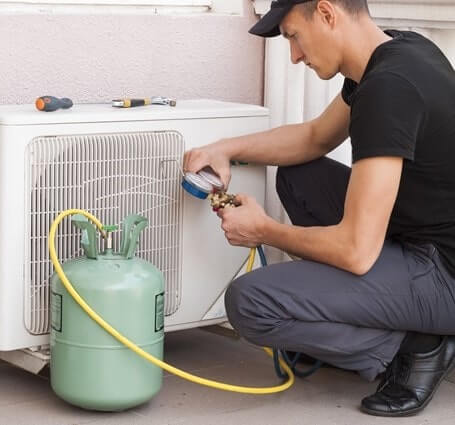
At Apex Technical School, we offer 900 hours of hands-on training in air conditioning, refrigeration and appliance controls. Students split their time between learning in the classroom and learning in the shop. The program prepares students to take the EPA 608 certification exam . Classes start every few weeks and are available full- and part-time to meet your needs. Learn more about the A/C program today!
Sources:
- https://www.opteon.com/en/-/media/files/opteon/case-studies/opteon-hfos-what-you-need-to-know-final.pdf
- https://www.worksafe.govt.nz/about-us/news-and-media/hydrocarbon-refrigerants/
- https://www.kuhlmaninc.com/blog/why-use-ammonia-as-a-refrigerant/
- https://www.intarcon.com/en/r744-refrigerant/
- https://climadesign.co.uk/what-are-the-pros-and-cons-of-co2-r744-as-a-refrigerant/
Electricians & the Aging Power Grid | Apex Technical School
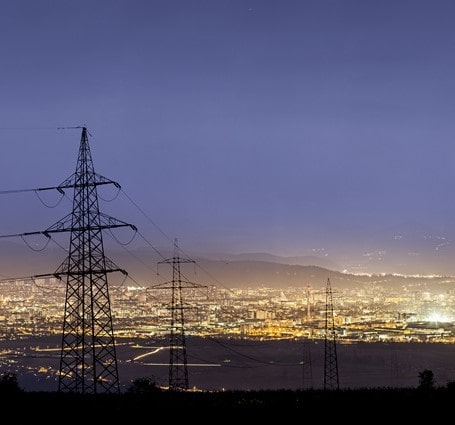
The power grid in the U.S. is a massive network of power plants, transmission lines, and distribution systems. It provides electricity to millions of homes, businesses and industries across the nation. But this critical infrastructure is showing its age. Over 70% of the power transmission lines and transformers that carry electricity across the country are over 25 years old , with the average age being approximately 40 years old.
Power demand is rising 1–2% annually, straining decades-old equipment. The complex grid is overdue for major upgrades but faces slowing advancement due to technical, regulatory and financial roadblocks. As the infrastructure deteriorates, electricians face more complex and frequent repairs, requiring them to keep up with the latest technologies and regulations.
America’s Antiquated Power Grid
One of the clearest signs of this aging infrastructure is the increasing number of power outages and blackouts experienced in different parts of the country. These outages can be caused by outdated equipment, overloaded systems, and poor maintenance. As the power grid gets older, its reliability decreases, which disrupts the electricity supply.
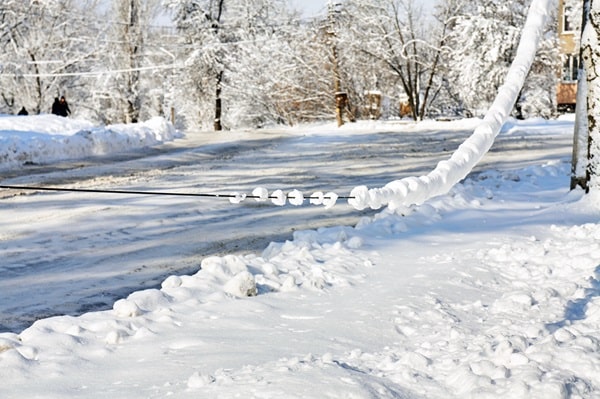
Climate change impacts power systems and suppliers with dire results. The lines and poles that deliver power to homes and businesses are susceptible to increasing storms, floods, and wildfires which jeopardize reliability. For example, extreme cold weather in Texas in 2021triggered generation capacity issues and crashed the state’s independent grid for days. In December 2023, New York City saw a blockbuster stormthat brought flooding rains and knocked out power to more than 500,000 people.
However, some communities are striving to improve their power systems despite the odds. They have integrated advanced meters, sensors and communication technologies to improve efficiency—but this also increases exposure to potential cyber threats.
Challenges Facing Infrastructure Upgrades
Outcomes may quicken if federal, state and investor-owned commitments begin to match the pace of technological advancements. Hurdles delaying progress include:
- Lack of consistent federal regulations and standards
Unlike roads and telecommunications, electricity delivery lacks clear national regulatory guidelines and protocols. This makes it harder to coordinate and implement system-wide upgrades.
- Investment challenges of regulated utilities
Much of the grid is owned and maintained by investor-owned utilities with regulated revenue streams. This can discourage spending on improvements that may not directly raise profits. Upgrades must be formally approved by state public utility commissions.
- Approval processes through state utility commissions are lengthy
Most oversight and planning occurs through public utility commissions in each state. These oversight boards must greenlight major capital projects proposed by utility companies before any work can begin.
- Integrating renewable sources like solar and wind generation creates new demands
Adding large amounts of variable wind and solar power to the old grid not designed for such intermittent sources creates technical and management challenges for utilities.
- Hardening the grid against climate change disasters is not prioritized
More frequent storms , floods, heatwaves and wildfires driven by climate change strain aging equipment not designed for such demands. But there are few incentives to proactively strengthen infrastructure.
Related: The Impact of Renewable Energy on the Electrical Trade
What This Means for Electricians
Electricians currently benefit from the work it takes to maintain and repair America’s antiquated and fragile power grid infrastructure. The skills of electricians are needed to cope with infrastructure that is prone to failures from age, weather events, and capacity overload. Each year, electricians respond to hundreds of major blackouts and countless minor disruptions caused by an overloaded grid showing its age.
While keeping outdated grid infrastructure operational is reliable work, electricians’ long-term career growth depends on gaining experience with modern smart grid technologies and renewable energy integration advances that require an overall modernization overhaul yet to be undertaken. It will take hundreds of billions of dollarsover the next decade to modernize the grid. Until political will enables large-scale upgrades, electricians will remain relegated to short-term grid patch jobs rather than expanding renewable energy skillsets for the future.

A Brighter Future Is Possible
It’s clear that the technological know-how exists and is ready for lawmakers, engineers and electricians to take it up and reimagine the future of America’s power grid. However, overcoming institutional inertia remains challenging in the face of financial, climate and regulatory barriers. Many experts point to the successful innovation of the telecom industry as a model for electricity delivery. With this approach as their blueprint, electricians could be one important part of modernizing the power grid through advocacy, education and hands-on training.
If you’re interested in a future as a residential electrical technician, explore the Electrical & Advanced Electrical program at Apex Technical School. We offer 900 hours of hands-on training, split between the classroom and shop, as well as financial aid opportunities for those who qualify.
EXPLORE THE ELECTRICAL PROGRAM
Sources:
- https://ourworldindata.org/energy-production-consumption
- https://www.axios.com/2023/07/11/us-power-grid-modernize-climate-change
- https://www.cnbc.com/2023/02/17/why-americas-outdated-energy-grid-is-a-climate-problem.html
- https://www.energy.gov/articles/reimagining-and-rebuilding-americas-energy-grid
- https://www.reuters.com/investigates/special-report/usa-renewables-electric-grid
Benefits of OSHA on Welding Safety | Apex Technical School
Just as a gamer needs the right skills to level up, a welder needs to understand OSHA guidelines for their safety and success. The Occupational Safety and Health Administration (OSHA) is like the rulebook that keeps you safe in the exciting and high-stakes world of welding, cutting, and heating.
These guidelines are not only critical for shaping your work but also for creating a safe workplace for all. Let’s dive into tips on how to maintain welding safety with the help of OSHA. Ready to power up?
Identifying Hazards & Safe Practices
Welding is an exciting field, packed with challenges and opportunities. Skilled technicians have never been more essential to operating complex welding systems safety. However, the trade comes with its hazards. In this section, we’ll guide you through these hazards and provide you with winning strategies to stay safe.
Common hazards in welding are:
- Fumes and gases : You should not be exposed to toxic fumes and gases while welding.
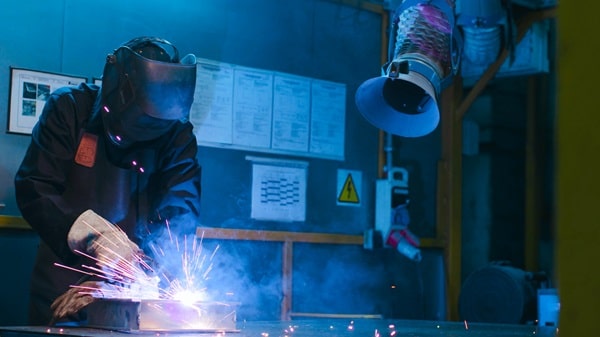
- Fire risks : Sparks and molten metal can cause burns or fire without proper safety measures.
- Electric shock : Handling welding equipment improperly can result in a shock.
- Eye and skin injuries : Intense light and heat can cause damage, just like not wearing protective
- gear in a sport can lead to injuries.
How OSHA Rules Expand Your Safety
OSHA is like the referee in the game of workplace safety. They set the rules, ensure fair play, and keep all players safe. In the world of welding, cutting, and heating, these rules are essential to keep you protected from potential hazards.
To be a safe welder, you need to know and follow these rules:
- Keep the air clean : Proper ventilation in the workplace prevents the inhalation of harmful
- fumes and gases.
- Wear the right gear : A welder needs the right personal protective equipment (PPE) like
- gloves, goggles, and welding helmets to stay safe.
- Prevent fire hazards : Remember, a spark can ignite a fire quicker than a car accelerates in a
- Effective fire prevention and control measures are crucial.
- Handle your equipment safely: Handle your welding equipment safely and store it properly.
- Cutting corners can lead to risks.
Following these OSHA standards can help you stay safe and avoid accidents. As welding equipment and technologies continue to evolve, so will OSHA guidelines. It’s important to follow the most recent OSHA standards whether you’re a welder-in-training, recent graduate or veteran welder.
Related: PPE Required for Welding
Mastering Safe Welding Practices with OSHA
Understanding and implementing OSHA guidelines is key to succeeding in welding. OSHA-approved safety training programs are like hands-on tutorials that equip you with the knowledge and skills you need to ensure safety at work.
These programs teach you the rules of the game, helping you understand the risks involved in welding and how to mitigate them effectively. Just like a sports coach or a gaming mentor, OSHA-approved training programs guide you on your journey to becoming a safer welder.

Level Up Your Welding Safety & Enroll Today
Interested in entering the field of welding? At Apex, our welding trade school began in October of 1979 and teaches skills for entry-level positions. From gas and electric welding processes, manual and automatic cutting techniques, blueprint reading for metal layout to fabrication with thin, thick and exotic metals, our Combination Welding Technology program gives you opportunities to learn hands on. Learn more about it now!
Sources:
- https://www.osha.gov/welding-cutting-brazing
- https://www.osha.gov/welding-cutting-brazing/hazards-solutions
- https://www.safetybydesigninc.com/osha-welding-safety-requirements-checklist
- https://www.cbiz.com/insights/articles/article-details/the-benefits-of-osha-compliance

Automotive Service Excellence Certification | Apex Technical School
For aspiring automotive technicians, one of the most critical aspects of building a successful career is gaining the necessary certifications. Certification not only validates your expertise but is also a testament to your dedication to delivering top-notch services. In the evolving automotive repair industry, certifications offer an edge, distinguish mechanics as professionals and help them to build trust with potential customers.
Let’s dive into the significance of certification in the auto service and repair field, the advantages of working with certified technicians, and how certifications boost the credibility of auto repair shops. Whether you’re planning to launch a career in this field or just exploring the options, understanding the role of certification is paramount.
ASE Certification Gives Mechanics a Boost
The National Institute for Automotive Service Excellence (ASE) tests and certifies automotive professionals to improve the quality of vehicle repair and service. The ASE certification signifies that an individual knows how to repair a vehicle without causing further damage.
Certifications are an essential part of becoming a recognized professional in the auto service and repair industry. Here’s are key benefits of ASE certification:
Ensuring Efficiency in Repairs
Given the intricacies of modern vehicles, certified technicians who have undergone extensive training are crucial for ensuring safe repairs. Certification programs offer a standardized way to evaluate the knowledge and hands-on skills of technicians. With a certification, a mechanic conveys to customers that the repairs will be done correctly, safelyand efficiently.
Building Customer Confidence
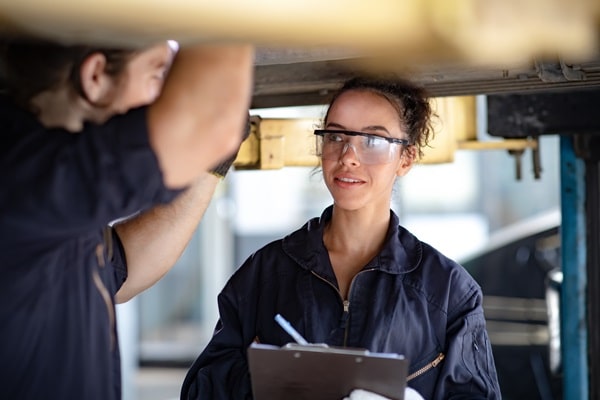
A certification not only showcases a technician’s skills but also boosts customer confidence. When customers see that a service provider is certified, they are commonly assured of the technician’s professionalism, competency and knowledge of relevant regulations . Certified technicians have the necessary skills to accurately diagnose and fix issues, ensuring a positive customer experience. Happy customers are more likely to return for service and to refer a mechanic to family and friends.
Keeping Up with Industry Innovations
The auto service and repair industry is constantly evolving with new technologies and techniques. Certification programs introduce technicians to these advancements through hands-on training. As a certified mechanic, you are equipped with up-to-date knowledge and can handle a variety of vehicle models and systems efficiently.
Related: The Future of Auto Mechanics in the Age of Automotive Innovation
Learn Automotive Repair Skills at Apex Technical School
In the auto service and repair industry, certifications significantly boost the credibility of a shop. Customers want to trust that their vehicles are in capable hands, and certification provides that assurance. By gaining certifications from recognized organizations, auto service and repair shops demonstrate their commitment to excellence.
As you consider taking the next step in your automotive career, remember the importance of certification in the auto service and repair industry. Becoming ASE-certifiednot only enhances your skills and knowledge but also boosts your credibility and opportunities in this dynamic field.

Apex’s instruction, course of study, facilities, and equipment have been evaluated by Automotive Service Excellence (ASE) and the National Automotive Technicians Education Foundation (NATEF). Learn more about our Automotive Service & Repair program now.
EXPLORE THE AUTO REPAIR PROGRAM
Sources:
- https://fivestarrocklin.com/benefits-certified-technicians
- https://weberautomotive.com/the-importance-of-having-certified-auto-technicians
- https://www.indeed.com/career-advice/career-development/ase-certification-meaning
- https://www.ase.com
Plumbing Building Codes & Industry Standards | Apex
Building codes have a significant influence on the plumbing industry. They’re not just rules or guidelines; they form the backbone of a plumber’s work, dictating how professionals design, construct, and maintain buildings. For individuals considering a career in plumbing, it’s crucial to understand how building codes impact the industry.
Building Codes: The Rulebook of Plumbing
How are building codes used in plumbing? Building codes and commercial plumbing codes ensure that plumbing systems are safe, functional and environmentally friendly. Stipulated by government agencies, building codes guide every step of a plumber’s work, from installation and maintenance.
For aspiring plumbers, adherence to these codes is more than just a regulatory requirement. It’s an assurance that the systems are safe, reliable and meet industry standards. These codes help to avoid potential hazards like water contamination or pipe failures. Plus, they promote efficient plumbing practices, leading to water and energy conservation and a greener planet.
How Building Codes Influence Plumbing Practices
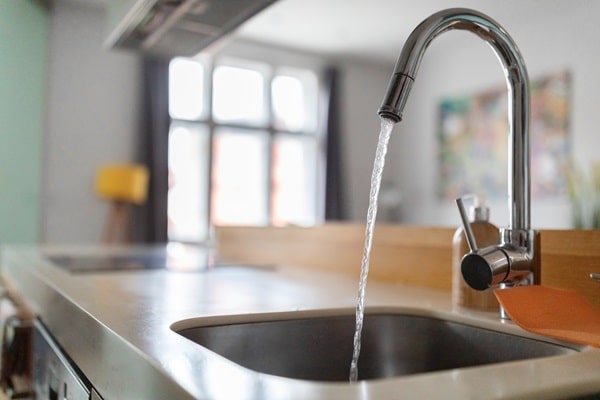
Building codes deeply influence plumbing industry standards and techniques. By setting rigorous safety guidelines and promoting efficient, sustainable methods, these regulations aim to protect people while conserving resources.
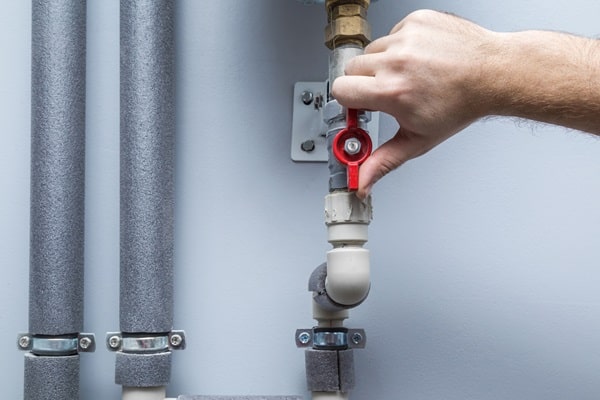
- Safety First and foremost, modern building codes strictly govern materials and methods to prevent leaks, damage, and contamination. Plumbers follow designated design standards, use approved pipes and fittings, and install key safeguards like backflow valves. These measures avert hazards from faulty construction.
- Functionality Additionally, coded guidelines provide plumbers with a technical framework to ensure systems operate reliably. They incorporate specifications for capacity, pressure, ventilation, and more to optimize performance. Adherence to these parameters allows plumbing to effectively meet household needs.
- Sustainability Finally, regulations increasingly mandate conservation tactics, urging plumbers to employ water-efficient fixtures and environmentally conscious installation techniques. Requirements for leak detection, recycled water loops, and responsive controls promote sustainability. By following these innovative provisions, modern plumbing conserves resourcesand reduces its ecological impact.
What are Consequences for Non-Compliance?
Non-compliance can result in legal penalties and fines. Building owners might face problems getting insurance or selling their properties. Moreover, non-compliant plumbing systems are prone to failures, leading to expensive repairs and potential health risks. That’s why regular inspections are crucial. Inspectors ensure that plumbers follow the codes from the installation to the maintenance stage.
Related: Commercial vs. Residential Plumbing
Learn About Apex’s Plumbing & Pipefitting Courses
If you’re interested in a plumbing career, explore how the Plumbing & Pipefitting program at Apex can help students pursue a field they’re passionate about. Admission is rolling, which means you don’t have to wait to apply. Classes are starting soon! Learn more about our courses , financial aid requirements and schedule a tour today.
Sources:
- https://energy5.com/understanding-the-role-of-building-codes-in-plumbing-regulation-compliance
- https://www.eesi.org/papers/view/the-value-and-impact-of-building-codes
- https://rooterhero.com/safeguard-your-home-or-business-the-importance-of-plumbing-codes
Advantages of Ductless Heating & Cooling Systems | Apex
Ductwork or ductless? For a growing number of homeowners today, the benefits of ductless heating and cooling are an appealing option. Ductless systems first gained traction in the HVAC industry decades ago in commercial buildings, but recent design innovations have made them a more aesthetically-pleasing fit for residences. Homeowners are choosing ductless HVAC systems for a variety of reasons, from energy efficiency ratings to Wi-Fi capabilities and more. Find out three of the most common reasons that ductless systems are on the rise.
What is a ductless HVAC system?
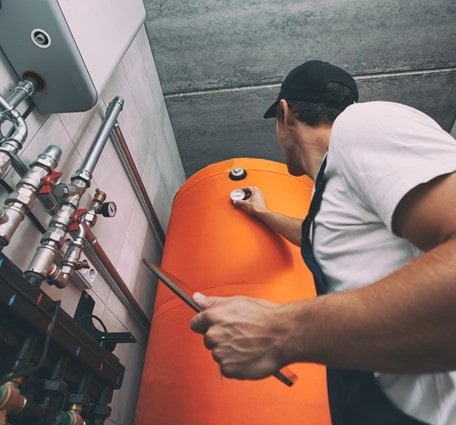
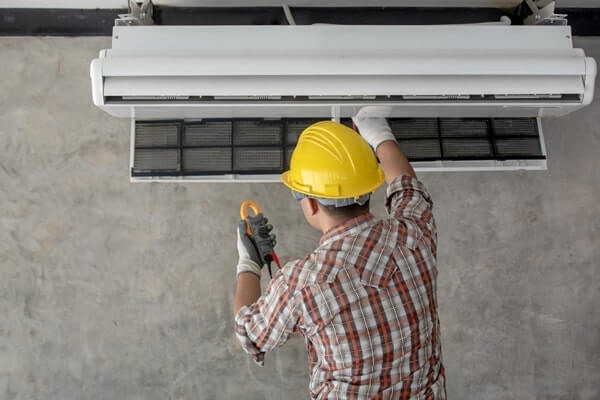
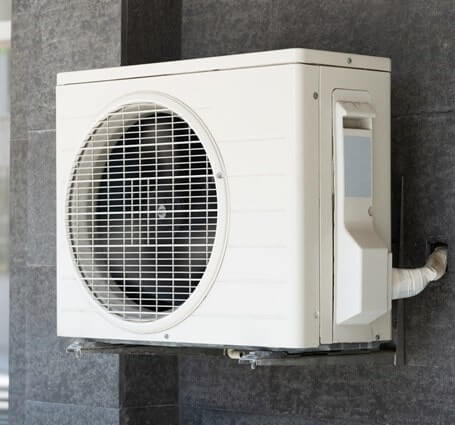
Ductless HVAC systems, also called ductless mini-split systems, are compact heating and cooling units that don’t require a full network of air ducts to operate. The systems consist of an outdoor compressor that works with one or more slim wall-mounted indoor air handling units mounted throughout the house. Thin refrigerant lines run between the outdoor and indoor components to remove and distribute heat.
Keep reading to learn about three advantages of mini-split systems for residential homes.
1. Easy to Install
Installation for a mini-split ductless system is easier and faster than standard units with ductwork that must be incorporated throughout the home. Ductless systems require drilling holes in the wall to mount the system in each room as desired. This less-invasive installation approach enables homeowners to get climate control without renovating an old or historic home or installing modern ductwork, which can cost $10-40 per linear foot, including materials and labor.
Once a ductless system is installed, many homeowners find they are easier to use than some traditional systems. Smart HVAC systems can offer conveniences like remote operation through Wi-Fi and settings that can be controlled via app.
2. Cost Efficient
Ductless mini-split systems eliminate the need for ductwork to distribute conditioned air throughout a home. Installing and maintaining ductwork can be expensive. Ductwork also accumulates dust and debris over time, reducing system efficiency and requiring periodic cleaning or replacement. By choosing ductless systems, homeowners may have higher upfront equipment costs but could save on long-term operation and maintenance.
Some ductless heat pump systems qualify for utility rebates, tax incentives, and property tax exemptions in certain areas, which further offset upfront purchase expenses. Between the potential incentives and long-term energy savings, homeowners switching to ductless HVAC can recoup costs quicker than conventional systems.
Related: Questions Homeowners Ask About HVAC Systems
3. Energy Efficient
The Seasonal Energy Efficiency Ratio (SEER) measures ductless efficiency. Typically, high-efficiency ductless heat pumps reach SEER ratings of up to 20-30 versus central AC units rating only 14-18 SEER on average. The higher efficiency allows ductless mini-split systems to provide equivalent heating and cooling capacity using less electricity.
Features like individual room climate control also create energy efficiency by helping to avoid heating or cooling rooms when you aren’t using them. With ductless systems, each room gets its own blower connected to an outside unit by pipes. For example, homeowners can simply set a comfortable climate in the living room, while shutting down the controls in the unused spare bedroom.
As ductless systems result in lower energy costs, this can lead to reduced environmental impact and improved indoor air quality. Ductless systems connect to the outside directly, keeping out contaminants that would otherwise build up and circulate within ductwork. Mold, mildew and other allergens can have a negative impact on the indoor environment, and ductless systems can be a healthier, more efficient alternative for some people.

Start Training in a Hands-On HVAC Program
Heating and cooling is a vital industry, and HVAC technicians are important players in keeping Americans comfortable in their homes. At Apex Technical School, our Air Conditioning, Refrigeration and Appliance Controls program helps students gain hands-on training in as fast as 7 months. Classes are enrolling soon, and we’re scheduling campus tours of our classrooms and shops. Reach out today!
Sources:
- https://comfortup.com/blogs/learn-center/what-is-a-good-seer-rating-for-ductless-cooling-systems
- https://www.forbes.com/home-improvement/hvac/air-duct-repair-cost/
History of Electrical Industry Tools | Apex Technical School
What do the ancient Greeks, Benjamin Franklin , Thomas Edison and Nikola Tesla have in common? They are the forefathers of modern electricity. As scientists and inventors, their work with electricity, currents and power distribution systems was crucial for the electrical trade we have today. The work from Edison and Tesla led to electric power in homes in the late 1800s and into the 1920s when rural electrification brought electricity to more households.
The Evolution of Electrical Tools
As electricity illuminated more homes and buildings, electricians were required for installation and repair. Electricity can be dangerous and necessitates the right tools and gear. Early tools for electricians like pliers, screwdrivers and wire cutters were metal and did not protect against the risk of electrical shock. However, electrical tools have improved greatly over time and have made electrical work saferand more efficient. Let’s dive into the history of some of the most important electrical tools.

Insulated Hand Tools
The development of insulated hand tools in the 1900s was a major breakthrough for the electrical trade. Insulated hand tools such as pliers, wrenches and screwdrivers quickly became standard among electricians for their ability to protect against shocks, burns and electrocution. The plastic or rubber coating on insulated hand tools prevents the electrician from becoming a path to ground if the tool contacts an energized conductor.
Many hand tools today have a double layer of insulation to ensure backup protection in the event one layer is cut, warped or worn down. OSHA requires electricians to use insulated hand tools as a safety precaution.
Related: A Brief History of HVAC Tools & Equipment
Multimeter
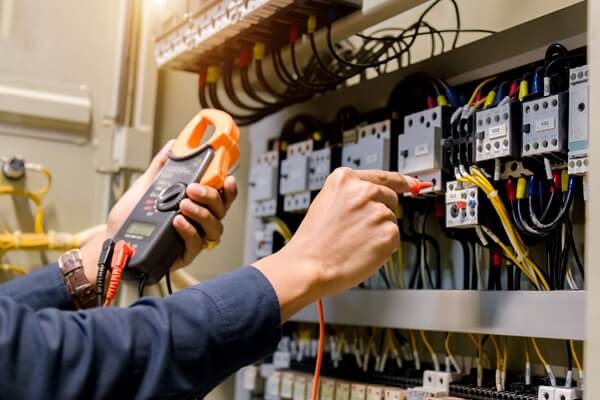
The history of the electrical industry would be incomplete without the multimeter. This electrical measuring tool is an essential tool for electricians to measure voltage, current, resistance and other parameters. Early galvanometers in the 1830spaved the way for the first multimeters to be developed in France in 1924, which measured volts, milliamps and ohms. Handheld multimeters gained popularity in the 1960s and digital multimeters emerged in the 1980s.
The digital nature meant that electricians had more precision. As multimeters gained more special features in the 1990s, their safety and accuracy improved as well. Today’s advanced, wireless multimeters offer electricians the ability to log and graph results on a computer.
Cordless Power Drills
Advances in battery technology led to the development of the cordless drill . In the 1800s prior to cordless options, drills were bulky, corded and used mainly for industrial applications. However, in the 1900s, lead-acid batteries allowed drills to go cordless for the first time; they were popular despite their limited power and short runtime. By the 1960s, Black and Decker debuted a lightweight cordless drill that ran for a few minutes.
It wasn’t until 1991 when lithium-ion batteries transformed cordless drill capabilities. Today, lithium-ion batteries can power cordless drills with a full-day runtime, making it easy for electricians to drill holes to run wiring , sink screws and bolts to install electrical boxes, mix drywall mud, and feed cables through conduit holes.
Explore the Electrical Program at Apex
Ready to step into the electrical classroom and use common electrical tools in the shop at Apex? There are clear benefits of hands-on electrical training . Learn more about our Electrical & Advanced Electrical program now, so you can start planning your future!
EXPLORE THE ELECTRICAL PROGRAM
Sources:
1 https://www.kleintools.com/blog/klein-s-legacy-tells-history-lineman-s-pliers
2 https://www.fluke.com/en-us/learn/blog/electrical/7-essential-electrician-tools
3 https://hausoftools.com/blogs/news/the-history-and-evolution-of-insulated-tools

