






Apex Insider
3 Benefits: The Rise of Ductless HVAC Systems
Ductwork or ductless? For a growing number of homeowners today, the benefits of ductless heating and cooling are an appealing option.
Key Highlights
Ductwork or ductless? For a growing number of homeowners today, the benefits of ductless heating and cooling are an appealing option. Ductless systems first gained traction in the HVAC industry decades ago in commercial buildings, but recent design innovations have made them a more aesthetically-pleasing fit for residences. Homeowners are choosing ductless HVAC systems for a variety of reasons, from energy efficiency ratings to Wi-Fi capabilities and more. Find out three of the most common reasons that ductless systems are on the rise.
What is a ductless HVAC system?
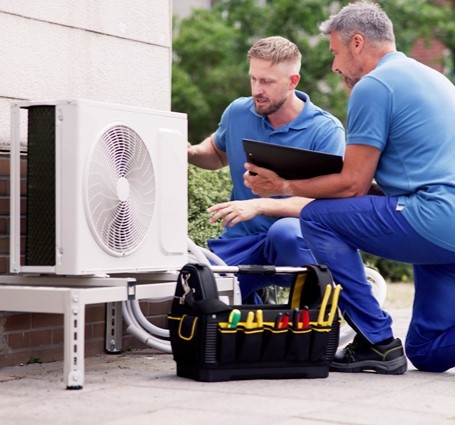
Ductless HVAC systems, also called ductless mini-split systems, are compact heating and cooling units that don’t require a full network of air ducts to operate. The systems consist of an outdoor compressor that works with one or more slim wall-mounted indoor air handling units mounted throughout the house. Thin refrigerant lines run between the outdoor and indoor components to remove and distribute heat.
Keep reading to learn about three advantages of mini-split systems for residential homes.
1. Easy to Install
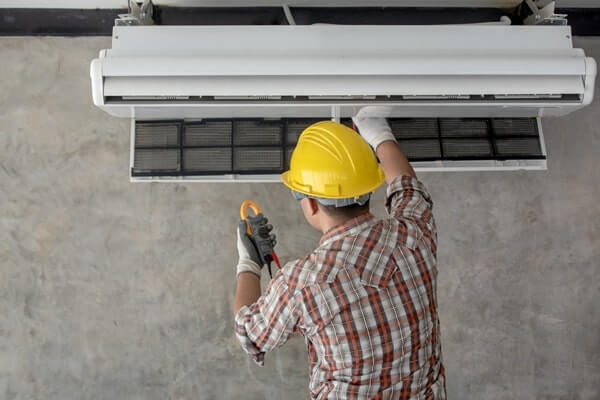
Installation for a mini-split ductless system is easier and faster than standard units with ductwork that must be incorporated throughout the home. Ductless systems require drilling holes in the wall to mount the system in each room as desired. This less-invasive installation approach enables homeowners to get climate control without renovating an old or historic home or installing modern ductwork, which can cost $10-40 per linear foot, including materials and labor.
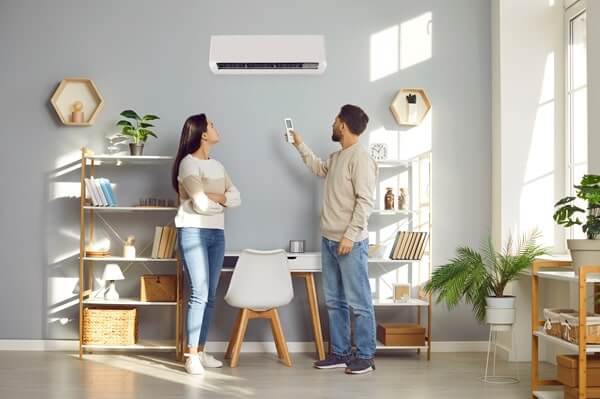
Once a ductless system is installed, many homeowners find they are easier to use than some traditional systems. Smart HVAC systems can offer conveniences like remote operation through Wi-Fi and settings that can be controlled via app.
2. Cost Efficient
Ductless mini-split systems eliminate the need for ductwork to distribute conditioned air throughout a home. Installing and maintaining ductwork can be expensive. Ductwork also accumulates dust and debris over time, reducing system efficiency and requiring periodic cleaning or replacement. By choosing ductless systems, homeowners may have higher upfront equipment costs but could save on long-term operation and maintenance.
Some ductless heat pump systems qualify for utility rebates, tax incentives, and property tax exemptions in certain areas, which further offset upfront purchase expenses. Between the potential incentives and long-term energy savings, homeowners switching to ductless HVAC can recoup costs quicker than conventional systems.
Related: Questions Homeowners Ask About HVAC Systems
3. Energy Efficient
The Seasonal Energy Efficiency Ratio (SEER) measures ductless efficiency. Typically, high-efficiency ductless heat pumps reach SEER ratings of up to 20-30 versus central AC units rating only 14-18 SEER on average. The higher efficiency allows ductless mini-split systems to provide equivalent heating and cooling capacity using less electricity.
Features like individual room climate control also create energy efficiency by helping to avoid heating or cooling rooms when you aren’t using them. With ductless systems, each room gets its own blower connected to an outside unit by pipes. For example, homeowners can simply set a comfortable climate in the living room, while shutting down the controls in the unused spare bedroom.
As ductless systems result in lower energy costs, this can lead to reduced environmental impact and improved indoor air quality. Ductless systems connect to the outside directly, keeping out contaminants that would otherwise build up and circulate within ductwork. Mold, mildew and other allergens can have a negative impact on the indoor environment, and ductless systems can be a healthier, more efficient alternative for some people.
Start Training in a Hands-On HVAC Program
Heating and cooling is a vital industry, and HVAC technicians are important players in keeping Americans comfortable in their homes. At Apex Technical School, our Air Conditioning, Refrigeration and Appliance Controls program helps students gain hands-on training in as fast as 7 months. Classes are enrolling soon, and we’re scheduling campus tours of our classrooms and shops. Reach out today!
Sources:
Next classes
Classes start every month
Day and evening classes at our Long Island City and Midtown Manhattan campuses. Talk to admissions to save your seat.
On this page
Apex Technical School
Ready to start your career?
Day and evening classes start throughout the year at both campuses.
Apply nowOr call 212-645-3300








Frequently Asked Questions
What is a ductless mini-split HVAC system and how does it work?


Why is a ductless HVAC system easier to install than central air?
Are ductless mini-splits more energy efficient than central air conditioning?
Do ductless HVAC systems cost more or less than systems with ductwork?
Where can I learn to install and service HVAC systems in New York City?
Contact us
Fill out the form to get started.

