






Apex Insider
Air Conditioning Refrigerants: Traditional vs. Alternative
Like blood in the human body, refrigerant circulates through an air conditioning unit.
Key Highlights
Like blood in the human body, refrigerant circulates through an air conditioning unit. It helps our homes feel comfortable, our office spaces feel cool, and gives warehouses and industrial plants the technology they need to store food and other substances or equipment at safe temperatures.
Industries have relied on certain traditional refrigerants for decades. While many still leverage these conventional refrigerants in A/C systems and equipment, some may choose to explore alternative refrigerants for the benefits they can offer. Let’s take a closer look at the difference between traditional and alternative refrigerants, including their properties, benefits and reasons for use.
What is a traditional A/C refrigerant?
Traditional A/C refrigerants include chlorofluorocarbons (CFCs), hydrochlorofluorocarbons (HCFCs), and hydrofluorocarbons (HFCs). You may recognize the term “freon” when you think of refrigerants. Freon is a trade name for a class of CFC and HCFC refrigerants.
These refrigerants have been widely used in A/C systems but are now being phased out of the industry because of their detrimental impact on the ozone layer.
What is an alternative A/C refrigerant?
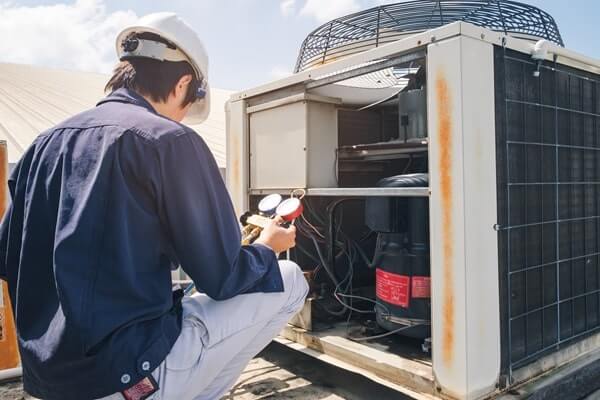
Alternative A/C refrigerants serve as a substitute for traditional refrigerants. Alternatives are often chosen due to their less harmful properties. They are undergoing gradual adoption within the A/C industry, as older systems that run on traditional refrigerants are phased out and new systems are developed to handle alternative refrigerants.
Examples of alternative refrigerants, or freon substitutes, include the following:
Hydrofluoroolefins
Hydrofluoroolefins, or HFO refrigerants , are a new generation of refrigerants made of hydrogen, fluorine and carbon. They are used in air conditioning systems, heat pumps and commercial cooling installations. HFOs were developed to meet higher compliance standards and to replace older refrigerants like HCFCs and HFCs.
By adopting this refrigerant alternative in A/C units, businesses and homeowners may benefit from higher energy efficiency, lower cost of ownership and better performance. HFO refrigerants are spurring economic growth by creating opportunities and innovation in the HVAC and chemical industries.
Hydrocarbons
Hydrocarbons (HCs) are made of hydrogen and carbon. They are nontoxic refrigerants with various efficiency, environmental and performance benefits. HCs can be used in air conditioners, refrigeration equipment, heat pumps, foam blowing and in equipment in the food industry.
While HCs are classified as highly flammable, compliance is crucial for safety. It is considered unsafe to retrofit hydrocarbon refrigerant into an existing A/C unit that isn’t designed for flammable refrigerant.
Some alternative refrigerants, such as hydrocarbons and carbon dioxide, are more readily available and less expensive than their traditional counterparts. This can lead to cost savings for A/C manufacturers, service providers, and ultimately, consumers.
Ammonia
Systems that use ammonia refrigerant are deemed more cost effective than traditional refrigerant systems with freon or fluorocarbon. The cycle time is significantly less for the same cooling capacity, and ammonia is approximately 10 times less expensive than other cooling agents, according to kuhlmaninc.com . This freon alternative can help save on energy costs and reduce carbon emissions.
While replacing a system that relies on traditional refrigerant for an ammonia system may be more costly up front, many ammonia systems are more durable and longer lasting. There are also fewer regulatory oversights with ammonia refrigeration methods, according to kuhlmaninc.com , so expensive upgrades are less likely over the life of the system.
Related:Exploring the Why and How Behind Efficient Geothermal Systems
Carbon dioxide
We typically think of carbon dioxide (CO2) as the substance humans breathe out. But it’s also a natural cooling agent with energy-efficient refrigeration properties. Carbon dioxide is used in air conditioners, ice machines and other cooling equipment. It’s become popular recently, but its use in refrigeration dates back a centuryor more.
CO2 refrigerant has many benefits; it’s non-toxic, non-explosive, environmentally friendly, has good thermodynamic and heat transfer properties, is highly energy efficient with a wide working temperature range, and is less costly than synthetic refrigerants.
Carbon dioxide is a good alternative refrigerant for commercial and industrial refrigeration. However, old and new units cannot be adapted or retrofitted for CO2 — the unit must be designed for the characteristics of this gas.
Reasons for Transitioning to an Alternative Refrigerant
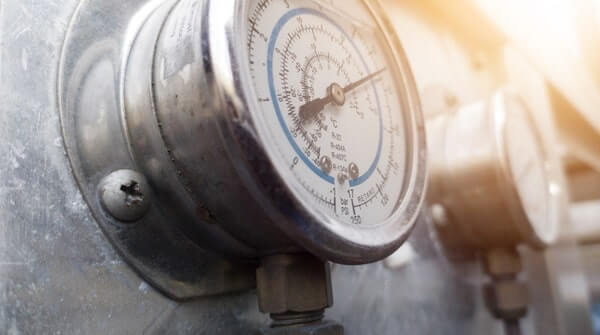
Do all scenarios call for an alternative refrigerant? Despite the benefits of alternatives, traditional refrigerants may still be required with some A/C systems if they offer superior performance, lower costs or greater availability on the market. Ultimately, the decision depends on careful assessment to determine the most appropriate option.
Before transitioning to an alternative refrigerant, A/C professionals must ensure compatibility with the system, conduct routine safety assessments and adhere to environmental and regulatory guidelines. In addition to regulatory compliance, there are other important reasons an alternative refrigerant might be selected, including:
- Consumer demand
- Energy efficiency standards
- Technological advancements
- Phase-out mandates to protect the ozone
- Reduced operating costs
- Safety considerations
Learn About Our Air Conditioning, Refrigeration & Appliance Controls Program
At Apex Technical School, we offer 900 hours of hands-on training in air conditioning, refrigeration and appliance controls. Students split their time between learning in the classroom and learning in the shop. The program prepares students to take the EPA 608 certification exam . Classes start every few weeks and are available full- and part-time to meet your needs. Learn more about the A/C program today!
Sources:
- https://www.opteon.com/en/-/media/files/opteon/case-studies/opteon-hfos-what-you-need-to-know-final.pdf
- https://www.worksafe.govt.nz/about-us/news-and-media/hydrocarbon-refrigerants/
- https://www.kuhlmaninc.com/blog/why-use-ammonia-as-a-refrigerant/
- https://www.intarcon.com/en/r744-refrigerant/
- https://climadesign.co.uk/what-are-the-pros-and-cons-of-co2-r744-as-a-refrigerant/
Next classes
Classes start every month
Day and evening classes at our Long Island City and Midtown Manhattan campuses. Talk to admissions to save your seat.
On this page
Apex Technical School
Ready to start your career?
Day and evening classes start throughout the year at both campuses.
Apply nowOr call 212-645-3300








Frequently Asked Questions
What are traditional air conditioning refrigerants?


What are examples of alternative refrigerants?
Can I put an alternative refrigerant in my existing A/C unit?
Why are HVAC systems switching to alternative refrigerants?
Does Apex Technical School’s HVAC program prepare students for EPA 608 certification?
Contact us
Fill out the form to get started.

