






Apex Insider
The Role of Electricians in Electric Grid Modernization
The power grid in the U.S. is a massive network of power plants, transmission lines, and distribution systems.
Key Highlights
The power grid in the U.S. is a massive network of power plants, transmission lines, and distribution systems. It provides electricity to millions of homes, businesses and industries across the nation. But this critical infrastructure is showing its age. Over 70% of the power transmission lines and transformers that carry electricity across the country are over 25 years old , with the average age being approximately 40 years old.
Power demand is rising 1–2% annually, straining decades-old equipment. The complex grid is overdue for major upgrades but faces slowing advancement due to technical, regulatory and financial roadblocks. As the infrastructure deteriorates, electricians face more complex and frequent repairs, requiring them to keep up with the latest technologies and regulations.
America’s Antiquated Power Grid
One of the clearest signs of this aging infrastructure is the increasing number of power outages and blackouts experienced in different parts of the country. These outages can be caused by outdated equipment, overloaded systems, and poor maintenance. As the power grid gets older, its reliability decreases, which disrupts the electricity supply.
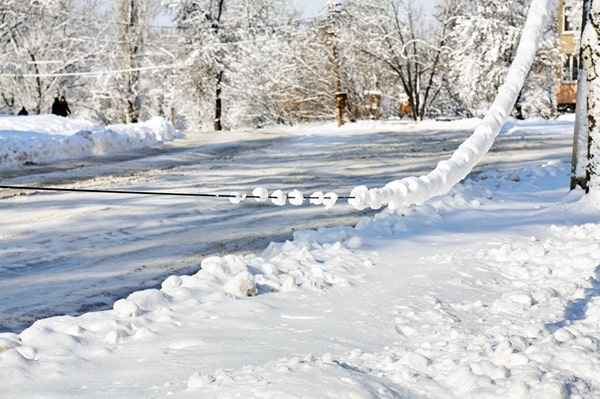
Climate change impacts power systems and suppliers with dire results. The lines and poles that deliver power to homes and businesses are susceptible to increasing storms, floods, and wildfires which jeopardize reliability. For example, extreme cold weather in Texas in 2021triggered generation capacity issues and crashed the state’s independent grid for days. In December 2023, New York City saw a blockbuster stormthat brought flooding rains and knocked out power to more than 500,000 people.
However, some communities are striving to improve their power systems despite the odds. They have integrated advanced meters, sensors and communication technologies to improve efficiency—but this also increases exposure to potential cyber threats.
Challenges Facing Infrastructure Upgrades
Outcomes may quicken if federal, state and investor-owned commitments begin to match the pace of technological advancements. Hurdles delaying progress include:
- Lack of consistent federal regulations and standards
Unlike roads and telecommunications, electricity delivery lacks clear national regulatory guidelines and protocols. This makes it harder to coordinate and implement system-wide upgrades.
- Investment challenges of regulated utilities
Much of the grid is owned and maintained by investor-owned utilities with regulated revenue streams. This can discourage spending on improvements that may not directly raise profits. Upgrades must be formally approved by state public utility commissions.
- Approval processes through state utility commissions are lengthy
Most oversight and planning occurs through public utility commissions in each state. These oversight boards must greenlight major capital projects proposed by utility companies before any work can begin.
- Integrating renewable sources like solar and wind generation creates new demands
Adding large amounts of variable wind and solar power to the old grid not designed for such intermittent sources creates technical and management challenges for utilities.
- Hardening the grid against climate change disasters is not prioritized
More frequent storms , floods, heatwaves and wildfires driven by climate change strain aging equipment not designed for such demands. But there are few incentives to proactively strengthen infrastructure.
Related:The Impact of Renewable Energy on the Electrical Trade
What This Means for Electricians
Electricians currently benefit from the work it takes to maintain and repair America’s antiquated and fragile power grid infrastructure. The skills of electricians are needed to cope with infrastructure that is prone to failures from age, weather events, and capacity overload. Each year, electricians respond to hundreds of major blackouts and countless minor disruptions caused by an overloaded grid showing its age.
While keeping outdated grid infrastructure operational is reliable work, electricians’ long-term career growth depends on gaining experience with modern smart grid technologies and renewable energy integration advances that require an overall modernization overhaul yet to be undertaken. It will take hundreds of billions of dollarsover the next decade to modernize the grid. Until political will enables large-scale upgrades, electricians will remain relegated to short-term grid patch jobs rather than expanding renewable energy skillsets for the future.
A Brighter Future Is Possible
It’s clear that the technological know-how exists and is ready for lawmakers, engineers and electricians to take it up and reimagine the future of America’s power grid. However, overcoming institutional inertia remains challenging in the face of financial, climate and regulatory barriers. Many experts point to the successful innovation of the telecom industry as a model for electricity delivery. With this approach as their blueprint, electricians could be one important part of modernizing the power grid through advocacy, education and hands-on training.
If you’re interested in a future as a residential electrical technician, explore the Electrical & Advanced Electrical program at Apex Technical School. We offer 900 hours of hands-on training, split between the classroom and shop, as well as financial aid opportunities for those who qualify.
Explore the electrical program
Sources:
- https://ourworldindata.org/energy-production-consumption
- https://www.axios.com/2023/07/11/us-power-grid-modernize-climate-change
- https://www.cnbc.com/2023/02/17/why-americas-outdated-energy-grid-is-a-climate-problem.html
- https://www.energy.gov/articles/reimagining-and-rebuilding-americas-energy-grid
- https://www.reuters.com/investigates/special-report/usa-renewables-electric-grid
Next classes
Classes start every month
Day and evening classes at our Long Island City and Midtown Manhattan campuses. Talk to admissions to save your seat.
On this page
Apex Technical School
Ready to start your career?
Day and evening classes start throughout the year at both campuses.
Apply nowOr call 212-645-3300









Frequently Asked Questions
Why is the U.S. power grid considered outdated?


How does extreme weather affect the power grid?
What is slowing down power grid upgrades?
What does grid modernization mean for electricians?
How can I train to become an electrician in New York City?
Contact us
Fill out the form to get started.

