






Apex Insider
Unlocking the Power of OSHA for Welding Safety
Just as a gamer needs the right skills to level up, a welder needs to understand OSHA guidelines for their safety and success.
Key Highlights
Just as a gamer needs the right skills to level up, a welder needs to understand OSHA guidelines for their safety and success. The Occupational Safety and Health Administration (OSHA) is like the rulebook that keeps you safe in the exciting and high-stakes world of welding, cutting, and heating.
These guidelines are not only critical for shaping your work but also for creating a safe workplace for all. Let’s dive into tips on how to maintain welding safety with the help of OSHA. Ready to power up?
Identifying Hazards & Safe Practices
Welding is an exciting field, packed with challenges and opportunities. Skilled technicians have never been more essential to operating complex welding systems safety. However, the trade comes with its hazards. In this section, we’ll guide you through these hazards and provide you with winning strategies to stay safe.
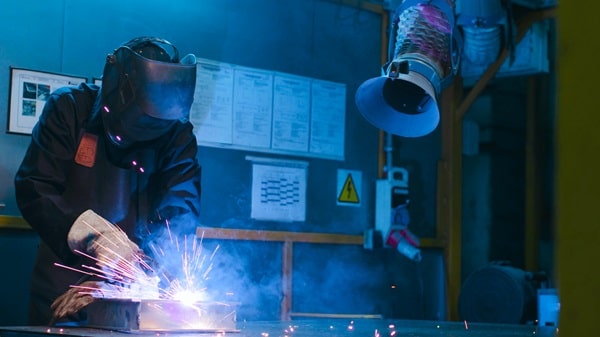
Common hazards in welding are:
- Fumes and gases : You should not be exposed to toxic fumes and gases while welding.
- Fire risks : Sparks and molten metal can cause burns or fire without proper safety measures.
- Electric shock : Handling welding equipment improperly can result in a shock.
- Eye and skin injuries : Intense light and heat can cause damage, just like not wearing protective
- gear in a sport can lead to injuries.
How OSHA Rules Expand Your Safety
OSHA is like the referee in the game of workplace safety. They set the rules, ensure fair play, and keep all players safe. In the world of welding, cutting, and heating, these rules are essential to keep you protected from potential hazards.
To be a safe welder, you need to know and follow these rules:
- Keep the air clean : Proper ventilation in the workplace prevents the inhalation of harmful
- fumes and gases.
- Wear the right gear : A welder needs the right personal protective equipment (PPE) like
- gloves, goggles, and welding helmets to stay safe.
- Prevent fire hazards : Remember, a spark can ignite a fire quicker than a car accelerates in a
- Effective fire prevention and control measures are crucial.
- Handle your equipment safely: Handle your welding equipment safely and store it properly.
- Cutting corners can lead to risks.
Following these OSHA standards can help you stay safe and avoid accidents. As welding equipment and technologies continue to evolve, so will OSHA guidelines. It’s important to follow the most recent OSHA standards whether you’re a welder-in-training, recent graduate or veteran welder.
Related:PPE Required for Welding
Mastering Safe Welding Practices with OSHA
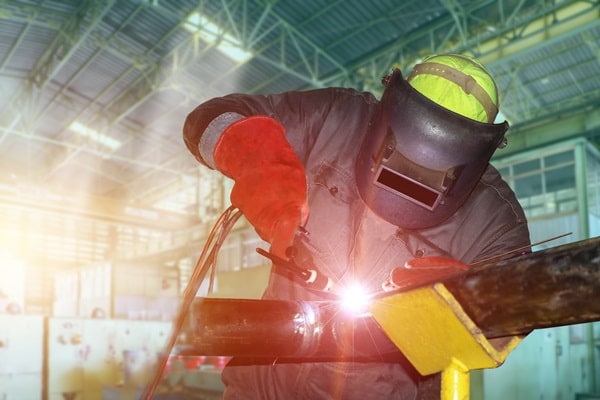
Understanding and implementing OSHA guidelines is key to succeeding in welding. OSHA-approved safety training programs are like hands-on tutorials that equip you with the knowledge and skills you need to ensure safety at work.
These programs teach you the rules of the game, helping you understand the risks involved in welding and how to mitigate them effectively. Just like a sports coach or a gaming mentor, OSHA-approved training programs guide you on your journey to becoming a safer welder.
Level Up Your Welding Safety & Enroll Today
Interested in entering the field of welding? At Apex, our welding trade school began in October of 1979 and teaches skills for entry-level positions. From gas and electric welding processes, manual and automatic cutting techniques, blueprint reading for metal layout to fabrication with thin, thick and exotic metals, our Combination Welding Technology program gives you opportunities to learn hands on. Learn more about it now!
Sources:
Next classes
Classes start every month
Day and evening classes at our Long Island City and Midtown Manhattan campuses. Talk to admissions to save your seat.
On this page
Apex Technical School
Ready to start your career?
Day and evening classes start throughout the year at both campuses.
Apply nowOr call 212-645-3300






Frequently Asked Questions
What are the most common hazards in welding?


What OSHA rules should welders follow?
Why do OSHA welding guidelines change over time?
How does OSHA safety training help welders?
What does the Apex welding program teach?
Contact us
Fill out the form to get started.

