






Building codes have a significant influence on the plumbing industry. They’re not just rules or guidelines; they form the backbone of a plumber’s work, dictating how professionals design, construct, and maintain buildings. For individuals considering a career in plumbing, it’s crucial to understand how building codes impact the industry.
Building Codes: The Rulebook of Plumbing
How are building codes used in plumbing? Building codes and commercial plumbing codes ensure that plumbing systems are safe, functional and environmentally friendly. Stipulated by government agencies, building codes guide every step of a plumber’s work, from installation and maintenance.
For aspiring plumbers, adherence to these codes is more than just a regulatory requirement. It’s an assurance that the systems are safe, reliable and meet industry standards. These codes help to avoid potential hazards like water contamination or pipe failures. Plus, they promote efficient plumbing practices, leading to water and energy conservation and a greener planet.
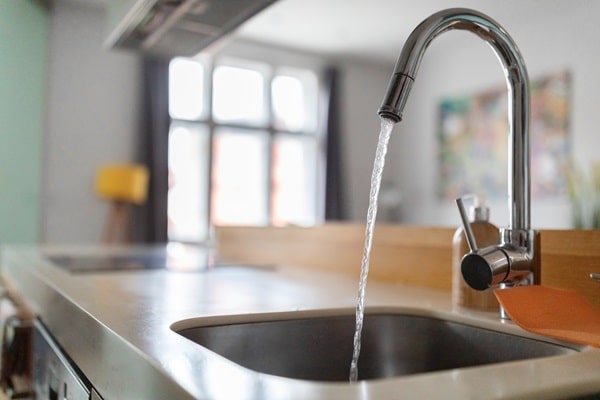
How Building Codes Influence Plumbing Practices
Building codes deeply influence plumbing industry standards and techniques. By setting rigorous safety guidelines and promoting efficient, sustainable methods, these regulations aim to protect people while conserving resources.
- Safety First and foremost, modern building codes strictly govern materials and methods to prevent leaks, damage, and contamination. Plumbers follow designated design standards, use approved pipes and fittings, and install key safeguards like backflow valves. These measures avert hazards from faulty construction.
- Functionality Additionally, coded guidelines provide plumbers with a technical framework to ensure systems operate reliably. They incorporate specifications for capacity, pressure, ventilation, and more to optimize performance. Adherence to these parameters allows plumbing to effectively meet household needs.
- Sustainability Finally, regulations increasingly mandate conservation tactics, urging plumbers to employ water-efficient fixtures and environmentally conscious installation techniques. Requirements for leak detection, recycled water loops, and responsive controls promote sustainability. By following these innovative provisions, modern plumbing conserves resourcesand reduces its ecological impact.
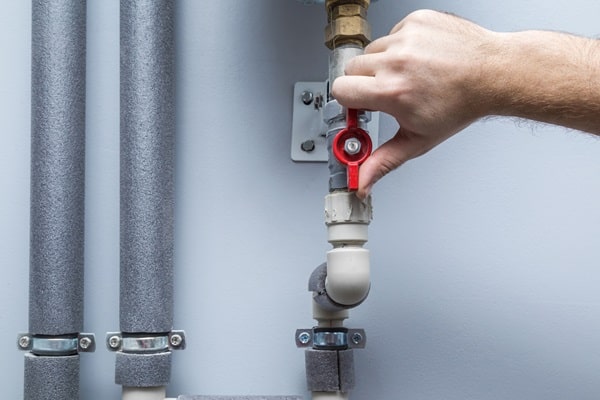
What are Consequences for Non-Compliance?
Non-compliance can result in legal penalties and fines. Building owners might face problems getting insurance or selling their properties. Moreover, non-compliant plumbing systems are prone to failures, leading to expensive repairs and potential health risks. That’s why regular inspections are crucial. Inspectors ensure that plumbers follow the codes from the installation to the maintenance stage.
Related: Commercial vs. Residential Plumbing
Learn About Apex’s Plumbing & Pipefitting Courses
If you’re interested in a plumbing career, explore how the Plumbing & Pipefitting program at Apex can help students pursue a field they’re passionate about. Admission is rolling, which means you don’t have to wait to apply. Classes are starting soon! Learn more about our courses , financial aid requirements and schedule a tour today.
Sources:
- https://energy5.com/understanding-the-role-of-building-codes-in-plumbing-regulation-compliance
- https://www.eesi.org/papers/view/the-value-and-impact-of-building-codes
- https://rooterhero.com/safeguard-your-home-or-business-the-importance-of-plumbing-codes


