






Welding Industries: Where Do Welders Work? | Apex
Companies, factories and construction jobsites need welders to fabricate and repair equipment and building materials. Without metal work like welding, things like infrastructure, commercial products and certain everyday items would not exist.
In fact, welders are greatly responsible for building much of the world around us. According to theU.S. Bureau of Labor Statistics, 64% of welders work in the manufacturing industry. Welders can also work in the following industries:
- Aerospace
- Automotive
- Construction
- Electrical power generation
- Industrial maintenance
- Natural gas
- Railroad
- Shipbuilding
Let’s dive a little deeper into three of these industries to learn how welders make an impact and what their daily tasks might look like.
Manufacturing
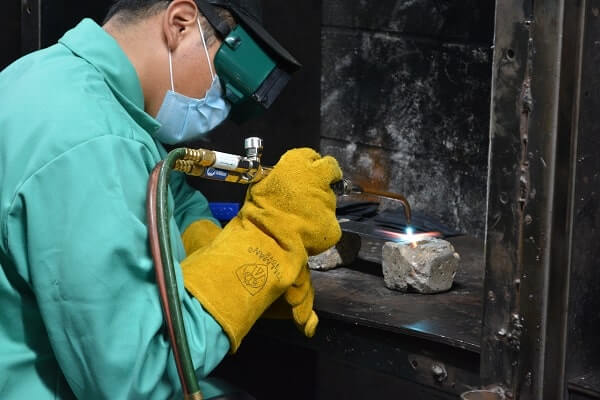
The types of welders who work in the manufacturing industry use welds to create new products or repair old ones. Furniture, mining machinery, agricultural tools and many other everyday items require a welder to heat and join their components together with welds.MIG weldingis standard in the manufacturing industry because it is fast and cost effective. A wide range of metal types play a role in the manufacturing of commercial products and equipment, and MIG welding is versatile and flexible enough to handle them.
Related:Common Questions About Welding Training
Auto Industry
Did you know that the average car requires thousands of welds? Welding has been, and will remain, a critical process for the automotive industry . Welders play a vital role on auto assembly lines, as well as at dealerships and auto repair shops where welding is required for safe repairs. Workers in these environments commonly use MIG welding or laser MIG welding to create strong bonds between thin metals such as aluminum.

Building, Construction & Infrastructure
Globally, more than half of all steel is used in commercial and residential construction. With such a great demand for steel in this industry, the need for welding is also strong. From erecting skyscrapers and office buildings to neighborhood homes, apartments and even roads and bridges, welders help construct America. Common types of welding used in building and infrastructure include flux-core welding, MIG welding and plasma arc welding.
Could you see yourself pursuing a future in welding? Start your path as a welder at Apex Technical School, where you can learn SMAW, GTAW, GMAW in our hands-on shops and classrooms. Classes are starting soon— contact us to learn more.

What is a Pipefitter? | Apex Technical School
Pipefitters are specialist plumbers. They work with high-pressure piping systems, commercial or industrial heating and cooling systems, and some may even maintain fuel delivery systems. Though their roles may seem similar, a pipefitter and a plumber support different scenarios.
A pipefitter handles jobs that have potentially dangerous substances, like chemicals or steam, while a plumber handles jobs that involve water and waste. Learn more about pipefitters below, including a detailed pipefitter job description, a pipefitter tool list and environments where pipefitters may work.
Pipefitter Job Description
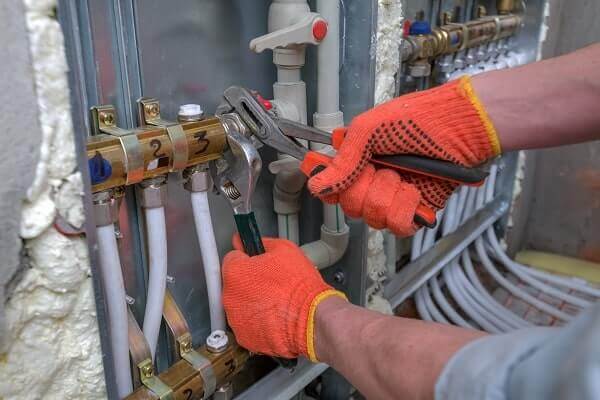
Pipefitters design and assemble pipe structures that carry chemicals, steam or liquids. They often work on commercial and/or industrial properties by laying out, assembling, installing and maintaining piping systems. Pipefitters can collaborate with project managers and understand how to read a blueprint that describes piping requirements. They follow building codes and safety standards, and they wear personal protective equipment to stay secure on the job.
How does Apex prepare students for a future in plumbing and pipefitting? Learn about a day in the life of a plumbing and pipefitting student .
Pipefitter Jobsites and Industries
Many industries need skilled pipefitters. Common industries that employ pipefitters include:
- Local government
- Natural gas distribution
- Utility system construction
- Commercial building construction
- Industrial building construction
Pipefitters can work at various jobsites, such as utility companies, hospitals, gas plants, waste management settings, heating and air ventilation companies, oil refineries or chemical plants. Depending on qualifications, project need and skill level, certain jobsites might require both pipefitters and plumbers.
Pipefitter Tool List
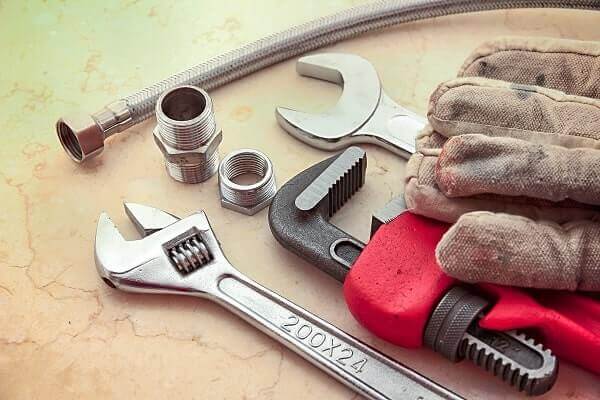
Pipefitters have hands-on skills and knowledge of piping systems, as well as the tools required to install and maintain these important systems. Some tools that pipefitters may use include:
- Welder’s gauge
- Fitter grips
- Pipefitter’s square
- Flange aligners
- Pipe wraps
- Centering head
While this is not a complete list, these items can help pipefitters to get the job done, whether they work in a commercial or industrial environment.
Want to Start Pipefitting Training?
If you’re interested in pursuing a career based on hands-on skills, pipefitting might be right for you. Grow your knowledge of plumbing and pipefitting at Apex Technical School. Classes are starting soon, and we’d like to show you our classrooms and shops. Learn more about pipefitting training now, and contact us to schedule a visit.
EXPLORE PLUMBING & PIPEFITTING
Construction Framing Terms to Know | Apex Technical School
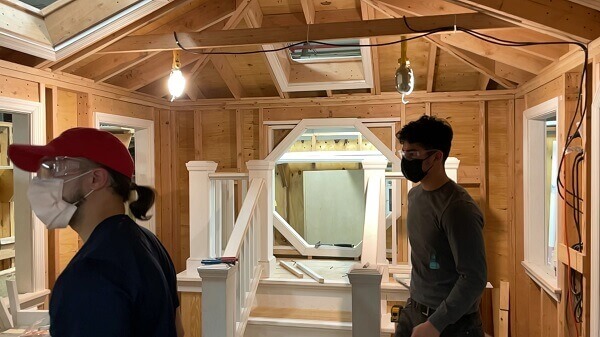
Construction framing is the process of attaching building materials together to create a structure, like a house, office or apartment. Framing is an important building element, because it must be energy efficient and strong enough to withstand outside forces such as wind, snow, earthquakes, gravity, people and more.
You can start learning house framing terminology to become familiar with all pieces of the structure. If you’re learning construction and building skills, you may have encountered some of these framing terms already. See how well you know important terms involved in building walls, floors and windows.
Wall Framing Terminology
- Plates are horizontal boards in a wall connected by studs. A top plate is located at the top of the wall panel, while a bottom plate is located at the bottom of the wall panel.
- Studs are vertical 2×4 boards in a wall that connect the top plate with the bottom plate. Builders use studs when they construct walls, doors and windows.
- Headers are horizontal boards used to transfer loads to trimmers (which are also called “jack studs” or short studs around a window or door). Headers are installed over a window or door opening.
Floor Framing Terminology
- Joists are horizontal boards in a floor. Like studs, they are spaced at equal distances. Joists make up the platform to which wall panels are affixed.
- Header brand joists connect joists together by wrapping around the joists. They provide stability.
- Subflooring rests on the joists. It is the bottommost layer and acts as the foundation beneath the finished flooring material, such as hardwood, carpet or tile. Subflooring is usually made from plywood.
- Girders are the main horizontal supports. Girders hold and stabilize the joists.
Window and Door Framing Terminology
- A sill or saddle is installed under a window. The window rests on the sill or saddle for support.
- Cripples are vertical boards that support the sill or saddle and the window itself.
- Trimmers are also called “jack studs.” They are installed vertically from the header to the sill. Trimmers help transfer the load that the header carries.

Want to Learn Construction and Building Skills?
It may sound complicated, but construction framing is manageable when builders take it step by step. If you’re passionate about working with your hands and learning practical skills, the Construction and Building Skills Program at Apex might be the right path for you.
Our program teaches students framing terminology as well as electrical, plumbing and kitchen and bath remodeling skills. Ready to learn more? Contact us today! Classes are starting soon.
EXPLORE CONSTRUCTION & BUILDING
Sources
https://www.zeelandlumber.com/basic-house-framing-terms-you-need-to-know/ https://www.familyhandyman.com/list/house-framing-terms/

Auto Shop Safety Measures | Apex Technical School
A career in automotive repair can be fun and challenging for individuals who enjoy working with their hands. Automotive work requires technicians to know how to safely use certain machinery and tools, as well as workplace safety habits. Technicians should always take precautions to minimize their risk of injury or accidents. Let’s brush up on some common auto repair shop policies and procedures for a job in automotive service repair.
Wear Personal Protective Equipment
Automotive technicians often wear long-sleeve shirts and long pants to protect from burns, cuts and scrapes. Clothing should fit the body well, because loose garments can get caught in equipment. In addition to clothing, individuals who work in the automotive repair trade should wear protective gear such as safety glasses or goggles and gloves that are chemical resistant to protect their skin.

Maintain a Safety Routine
Individuals who work in an automotive shop can stay safe by incorporating proper procedures into their daily routine. When safety is the standard, you’re less likely to make careless or dangerous mistakes. This starts with knowing your surroundings. Notice something out of place, like liquid on the floor? Clean up water or oil spills right away to reduce the risk of falls.
Label chemicals used in the shop and keep safety data sheets that explain how to handle and store chemicals. In case of a chemical-related emergency, auto mechanics should have easy access to an eye-wash station and know how to turn off the electricity in the shop. Be aware of electrical cords and outlets to prevent scenarios in which an electrical fire could start. Technicians should also know where to find fire extinguishers and understand how to use them in an emergency.
Related: How to Become an Auto Repair Technician
Ask Others for Support
While some mechanics typically have a hands-on trade school or vocational education, they may encounter new tasks or challenges on the job throughout their career. There is always an opportunity to learn more, especially as vehicles evolve with new makes and models. When you’re unsure how to complete a task or you’re doing something for the first time, speak up and ask for help.
Incorrect procedures can cause dangerous situations or serious injuries. It’s also important to speak up if you notice something is malfunctioning or broken, such as a vehicle lift or poorly maintained equipment. Be mindful of coworkers who may not ask for help when they need it; for example, if they attempt to lift more than they can carry, help them safely transport the item.
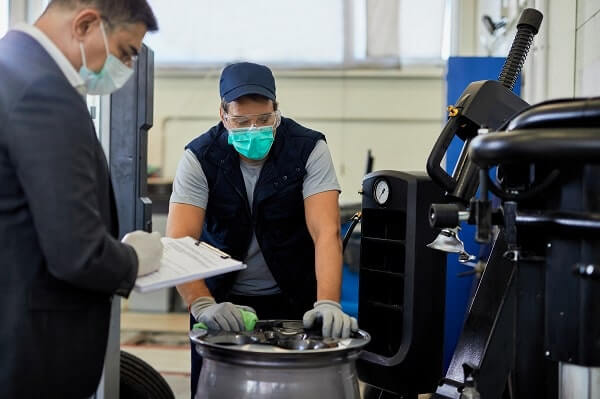
Auto shop safety is the first rule of working in an automotive repair shop. With automotive technician training, mechanics can help keep their work environment safe and productive. Learn more about the Automotive Service Repair Program at Apex Technical School. Classes are starting soon!

Choosing a Trade School? Ask These 5 Questions | Apex
How you pursue your education is one of the biggest decisions you can make. Education means something different for everyone. Sometimes it’s a high-school diploma, a four-year college degree, workforce experience, or a hands-on trade program. And it could be a combination! If you’re determined to pursue a vocational program at a trade school in New York , you’ll want to make sure you find a program that will give you the opportunity to meet your goals.There are many things to consider as you decide to find a trade school that is right for you. Here are the first five questions to ask before enrolling in trade school. Keep reading to find answers to each question below.
- What am I interested in?
- What vocational programs are available?
- Does the trade school offer day and evening classes?
- Does the trade school offer job placement assistance?
- Does the trade school accept financial aid?
What am I interested in?
Before you can answer the question, “What trade school is right for me?” think about what you enjoy doing. What are your interests and passions? What would you be happy to learn more about? If you’ve always enjoyed cars and hands-on repair, you might consider a trade school with an automotive service repair program. Maybe you recently talked to a family member or friend about theirHVAC careerand could see yourself in a similar role. Examine where your interests lie and consider how you could bring your unique strengths to a trade.

What vocational programs are available?
After you determine what trade you’re interested in, seek out trade schools in your area with accredited programs . Visit the school’s website to learn about its program offerings. Websites like Apex Technical School’s give a breakdown of each trade program and what students can learn. As you research, it might be helpful to contact the school to ask program-related questions, like start times or what tools students need.
Does the trade school offer day and evening classes?
Next, find out when the school offers class times. If you work or care for your family during the day, an evening class might be best for you. If you feel most productive during the day, you might want to choose an earlier class time. Your lifestyle and needs play an important part in your educational success, so don’t forget to factor them into your decision. Related: The Benefits of Evening Trade School Classes
Does the trade school offer job placement assistance?
Not all trade schools offer job placement assistance.Schools like Apexwant to make sure students have access to helpful materials when they are looking for a job. Find out if the trade school offers help with resumes or preparing for a job interview. Ask if the trade school will help you search for career options that fit your training and goals.

Does the trade school accept financial aid?
Financial aid can help eligible students cover costs. While applying for financial aid may seem overwhelming at first, some trade schools like Apex help students throughout the entire process. Choose a trade school with financial aid advisors that will offer to meet with you one-on-one to discuss financial aid forms and navigate the process. There are several different types of financial aid programs, and the trade school you choose can work with you to offer the best possible combination of aid, such as Federal Student Aid programs, aid from state programs and other miscellaneous programs.
Interested in learning if Apex is a good fit for you? We’re happy to sit down with you to talk about trade school options or answer your questions on the phone. Contact us today; classes are starting soon!

Difference Between Trade School vs. Community College | Apex
Considering trade school vs. college? Technical skills can offer career options and personal fulfillment, especially if you enjoy hands-on work. If you’re unsure how learning a trade can benefit you or fit into your schedule, explore the top reasons why students choose to enroll in trade school.
No iList was found.
Classes are starting soon! Call us at 212-645-3300 to find out more.

Welding Technology: Tools & Gear | Apex Technical School
Many of the world’s biggest industries—from marine and automotive to mass transportation and more—use welding to create and repair products. Without welding, we would not be able to use many of the items we use every day. Did you know this necessary trade is still evolving since its invention centuries ago? Today, new welding technologies are here or on the horizon for this exciting trade.
Welding Technology History
Welding technology dates back to the Industrial Revolution in 1750. The first type of welding was called forge welding, and it involved heating two metal ends until the material was hot enough to be hammered together. In the centuries since forge welding was invented, welding technology has improved and evolved as an in-demand process. Welding technology is opening even more doors for advancing the field today.
Related: The Benefits of Going to Trade School for Plumbing
Laser Welding
Laser welding is one of the newest types of welding technology. With laser welding, light energy is converted to heat energy. The high-powered laser instantly melts metals and welds them together. For very thick, dense metals, laser welding should still be used in combination with other welding types. However, the potential is great for laser welding. Scientists are continuing to research and test this new welding technology, and more advancements are expected in the coming years.
Virtual Reality for Welding
Most people think about video games when they hear the term virtual reality, or VR. This technology uses a headset to immerse wearers in a digital experience. Some experts believe that VR can be used to revolutionize prototypes, blueprints for a product, and even welding training. One day soon, welders may be able to view an item in virtual reality to more easily understand the eventual finished product.

Welding Safety Enhancements
Safe technology is also important for welding processes. Along with advanced welding technologies, like laser welding and virtual reality, the welding field has an eye on the future of welding gear and safety. Technology can help welders make choices that keep them safe on the job, whether they are an entry-level welder or a veteran of the trade.
Thanks to technological advancements, here are some welding safety options:
- Automated doors
- Safety light curtains
- Laser scanners and sensors
- Pressure-sensitive safety mats
- Fume extraction systems
- Air-filtering respirators
- Insulated clothing
Interested in where advanced welding technology is headed? Have a passion for crafting and repairing, or love working with your hands? Welding trade school might be a good fit for you . Explore our welding program now, or contact us by filling out our online form.

What Trade School Is Right for Me? | Apex Technical School
Looking for a new career path? Unsure what to do after high school? Trade school can be an exciting option that focuses on growing your skills. Unlike a four-year or two-year college, trade school can be completed quickly and without the need to take courses unrelated to your passion (like English literature or geography).
To find the right trade school, start by researching trade schools near you in the New York City area such as Long Island City, Queens and understanding the benefits of trade school. We also recommend finding out as much as you can about these three important indicators.
Hands-On Learning
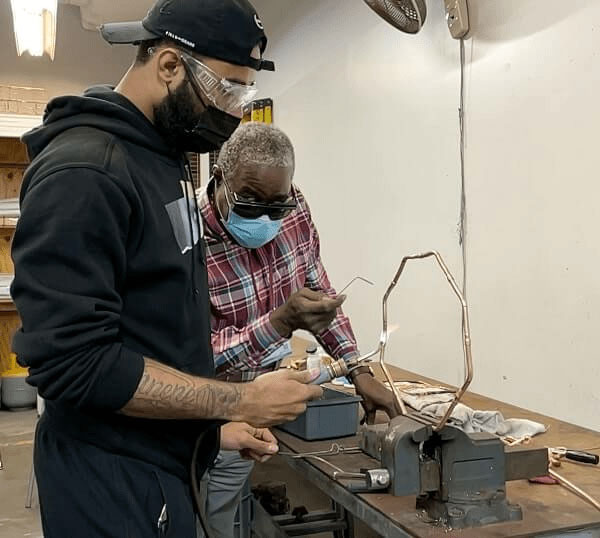
If you’re interested in pursuing an education in the trades, you probably enjoy working with your hands. You may even prefer hands-on work to sitting at an office desk. When you want to find a trade school that is a good fit for you, find out if the school has a balance of hands-on shop time paired with classroom time. In the classroom, instructors can introduce theories of the trade, while the shop setting can help you practice techniques that bring theories to life.
Apex’s trade programsoffer a mix of classroom and shop time. Students split 900 certificate hours between these two environments. We offer most courses in day or evening time slots, and students can often finish their program in as little time as seven months! That’s a big benefit of trade school.
Technology and Tools
When you’re choosing a trade school, visit the campus if possible. This visit can give you the chance to tour the classrooms and shop areas, see the tools and equipment and ask questions about the facilities or technology you may use. The right trade school will give you the opportunity to learn skills using tools and technology that you may encounter in an entry-level position in the industry.
Related: Benefits of Construction Technology
Job Placement Assistance
An education in the trades can be a great path. Think about how you might put your hands-on training to use in an entry-level job. Trade schools often have individuals who meet with you to offer career-related assistance, such as creating a resume, preparing for an interview and searching for a position in the field.
Here on the Apex campusin Long Island City, New York, we join our colleagues across The Fedcap Group in working to ensure no one is left behind. Helping people get to work is our contribution to counter exclusion and marginalization. We also offer job placement assistanceand help students search for career options that fit their training and goals.

Pursue Your Passion at Apex
As you consider your options and learn about trade schools in New York, we invite you to take some time to explore our programs , and learn how financial aid might be available to you. Have questions? Contact us at (212) 645-3300 or by submitting our online form now.

