Types of Plumbers & Pipefitters | Apex Technical School
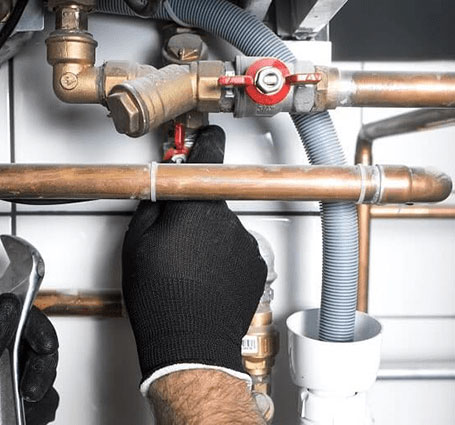
Plumbing is nothing more than clogged drains and leaky pipes, right? Not exactly. Plumbing is more complicated than repairing a sink or toilet. Plumbers are skilled in their craft, with hours of hands-on training and diverse experiences. In fact, the plumber who answers a repair call in a neighborhood may not be the same type of plumber who installs new pipes in an office.
3 Differences Between Types of Plumbers
Some plumbers may specialize in residential plumbing (working in single family homes). Other plumbers may specialize in commercial plumbing (working in multifamily apartment buildings, offices or businesses). Each type of plumber should have training and history of the plumbing field; however, each may deal with unique tasks and apply their plumbing knowledge differently. Here are three ways that a commercial plumber may differ from a residential plumber.
Work Schedule
Work schedule is one of the first differences between commercial and residential plumbers. Plumbers who work in residential homes usually work a standard eight-hour work day, five days per week. They may be on call for weekend or after-hour emergencies, such as a burst pipe that floods a kitchen in the middle of the night.
Commercial plumbers, on the other hand, may have more after-hours work. This is because offices or public buildings tend to schedule installations and repairs outside of the traditional eight-to-five working hours, when their employees are at home and it’s easier for plumbers to turn off water access or work more efficiently. Commercial plumbers can also have a more fast-paced schedule than residential plumbers, since many people depend on their repairs or installations.

Environment
Residential plumbers can often expect to work in the same type of environment each day. Homes typically have several sinks, two or three toilets and a standard patchwork of pipes and drains. Residential plumbers may have to problem-solve to bring old systems up to code.
Commercial plumbers can face a variety of different environments on the job. The buildings where they work may have multiple floors with many sinks and toilets. Access to pipes may be more difficult, and installation work may take longer or be more complex than in a residential setting.
Related: The Benefits of Going to Trade School for Plumbing
Pipes and Fixtures
The size and durability of commercial pipes varies from residential pipes. Because numerous people need to access and use commercial plumbing in a large building or apartment complex, commercial pipes are more robust. Commercial offices or multifamily units may also use different types of toilets, such as water-saving toilets, to conserve on utilities while giving residents or employees access to modern or innovative fixtures.
Residential and commercial plumbing may also be subject to different codes and standards. Plumbers and pipefitters must follow building regulations and residential guidelines to ensure safety and compliance. At Apex, students learn about plumbing safety, as well as plumbing history and how to use common plumbing tools and techniques.

Find out more about what you can learn in our Plumbing & Pipefitting program now
EXPLORE PLUMBING & PIPEFITTING
Women in A/C & Refrigeration | Apex
Countless opportunities exist for women in skilled trades, especially in the HVAC industry. According toWomen of HVAC, female-owned businesses have increased 1.5 times faster than the national average in the past 20 years, and there has been a similar rise in female HVAC technicians. If you’re interested in pursuing a hands-on education to become a woman in the skilled trades, here’s why the HVAC industry may be the path for you.
Challenges Women Can Overcome in the Trades
As it becomes more common for women to work in trades like A/C and refrigeration, these pioneering technicians have the opportunity to pave the way for more women to follow in their footsteps. However, some female A/C technicians could find it challenging to be a role model in a fast-paced, hands-on trade. With a solid foundation in technical skills, these individuals can establish and hone the leadership skills to succeed while helping their peers grow.
Women Succeed in HVAC Programs
Women are often an underutilized resource when it comes to skilled trades. As more baby boomers retire over the next decade, the HVAC industry will need skilled individuals to step into the field and thrive.
Historically, the industry has been male-dominated, but that trend has already started to change as more women pursue HVAC programs at trade schools. Women in HVAC classes at Apex can receive a hands-on education that prepares them for an entry-level position.

Why Women are an Asset in the A/C Industry
If you’re a woman who enjoyshands-on work, the technical nature of the air conditioning, refrigeration and appliance controls field may suit your interests. Women who have strong communication skills also thrive in environments that involve talking with customers, explaining repairs and scheduling maintenance.
How Women Transform Skilled Trades
Women in skilled trades are not only an asset to their industry but also an inspiration to others who aspire to follow in their footsteps. Representation matters, and more female A/C technicians will show women everywhere that they might find fulfillment in the A/C trade, too.
Finally, as more women technicians step into the A/C industry, they have the potential to deepen their knowledge with years of experience and eventually serve as entrepreneurs of their own A/C company—showing other women that they can contribute to and transform this exciting field.

Discover Apex’s HVAC Program
Turn your ambitions into reality by learning how you can kickstart your path as a female A/C technician. Our team is happy to talk to you about women in theA/C programat Apex or help you schedule a time to come to our campus and learn about enrollment. Get started by visiting our A/C program page orcontacting us.

Why Take Trade School Night Classes? | Apex Technical School
Between family obligations, work and friends, it can be hard to find time to fit trade school classes into your day. But a busy schedule doesn’t have to stop you from pursuing your goals in a trade you’re passionate about. At Apex, students have the option to choose day or night classes. Taking classes in the evening is one of the many benefits of trade school that can help set you up for success. Keep reading to learn why going to trade school at night might be right for you.
You can keep your day job
Trade school students often already have a day job, whether they work part-time or full time. Some are inspired to go to trade school and pursue the hands-on career they’ve always wanted, while others decide to go back to school to try something new. No matter what motivates you, night classes can give you the opportunity to maintain your day job while attending trade school in the evening after work.

You can balance your personal life and school
When your day shift is over and you head home, you probably enjoy some down time with family and friends. Maybe you pick up groceries for dinner, go to your favorite restaurant or drop by your nephew’s basketball game. Our personal lives are important, and when you attend evening classes at trade school, you can find a balance between personal responsibilities during the day and learning a trade at night.
Related: 3 Important Life Lessons to Learn in Trade School
You can prepare yourself for class
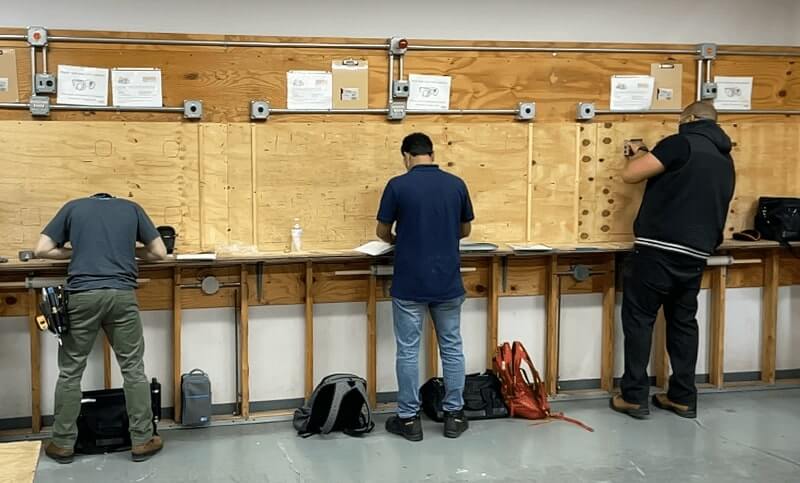
When your trade classes don’t start until the evening, you may notice that you have time throughout the day to read about the history of plumbing, practice identifying the different types of electrical wiresor organize your toolbox to use in the shop. You can use work breaks or lunch hours to prepare for class and think about techniques you’ll practice in the shop when your shift ends and you head to school.
Contact Apex About Trade School Classes
Trade school classes in the evening can help accommodate many schedules. If you can’t postpone your day job, consider night classes. If you have family responsibilities or want to have moments to study throughout the day, evening classes might be a good fit for your goals. Night classes are starting soon—reach out to our admissions team today to learn more about enrolling .

How Hands-On Learning Benefits Trade Job Seekers | Apex Technical School
Practical, hands-on skills are important in many industries, and workers who demonstrate these skills contribute to a healthy economy. While millions of Americans work behind a desk, there are countless Americans who enjoy actively working with their hands and using their technical expertise.
However, arecent analysisfrom PeopleReady found that there is a skilled trades shortage in America. The shortage is occurring as millions of Baby Boomers retire and leave the workforce. The good news? Some students are choosing trade school instead of traditional two-year or four-year college. By choosing trade school—which can often be completed in as few as 7 months—students can get the hands-on skills they need to enter the workforce faster.
Let’s examine a few reasons why a hands-on education at trade school can set up students for success in their chosen trade.
Problem-Solving Practice
Problem-solving means making choices. And trade workers must make many choices on the job each day. Safety, proper techniques, maintenance and installation approaches all contribute to a tradesperson’s responsibilities. If you enter a trade you’re passionate about, you’ll want to be a strong problem-solver.
Hands-on training can be a key way to become a strong problem-solver because it gives you the opportunity to practice making decisions in the classroom or shop setting so you feel confident and prepared when you start your career. For example, a student in theElectrical & Advanced Electrical programmay have to decide what type of wiring is needed to repair a broken fixture. Working hands-on in the shop gives students the opportunity to determine the best way to solve electrical problems.
Related:6 Benefits of Trade School
Mentorship Opportunities
In addition to problem-solving practice, hands-on learning provides students with opportunities to learn alongside experienced instructors. As knowledge keepers, instructors at Apex are dedicated to helping students gain technical skills and expand their passion for their chosen trade. Students learn the theory, or the “why,” behind their trade in the classroom. Instructors also mentor students in the shop where theory is put into practice.
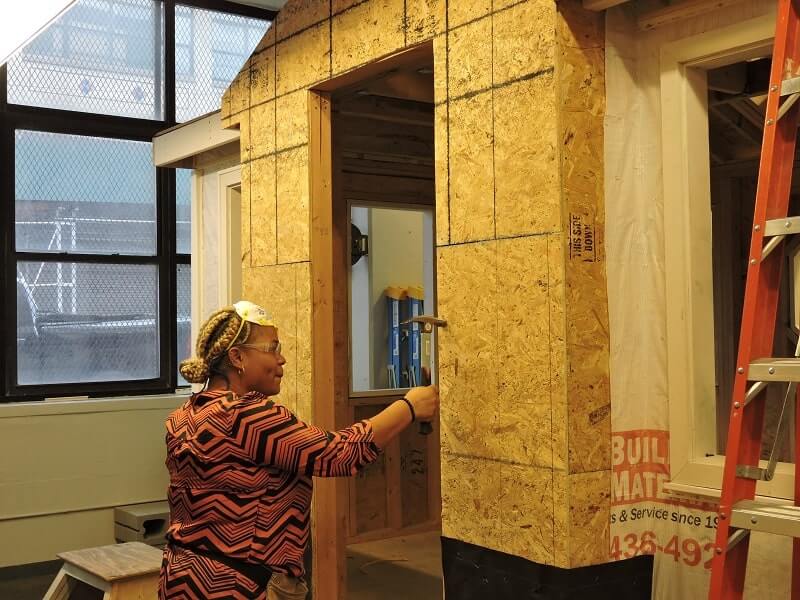
Students in the Construction & Building Skills program , for example, work with instructors to construct a model house, learning how to frame walls, install windows and more. Guidance from knowledgeable instructors increases students’ readiness to perform entry-level trade jobs in the field.
Safety Training
Safety preparation is one of the most important aspects of a job site, and it’s also one of the benefits that hands-on learning affords students in trade school. At Apex, students learn how to safely use tools, wear safety gear and collaborate carefully in work environments. From handling electrical components to practicing fire safety around welding materials and more, students at Apex get – experience in learning to stay safe on the job. This experience can help students stand out to employers who want safety-minded individuals on their jobsites.

Ready to learn more about trade programs and hands-on education at Apex Technical School? Contact us today to start the conversation.

How to Become a Mechanic | Apex Technical School
Do you think you want to become an automotive technician? Do you know what it takes to be a mechanic? The automotive service industry is full of talented mechanics who enjoy working on cars and problem-solving. Let’s take a look at three common indicators of success that you can use to guide you on your path to automotive technician training .
Have a Passion for Cars
There are many reasons why car enthusiasts and automotive technicians love cars. They are powerful and practical. Cars are painstakingly designed and tested for their aerodynamic and safety qualities. And cars give you the freedom to go where you want to go. Some automotive technicians developed a passion for cars at a young age, while others grew to love cars over time. No matter how your passion for cars started, you can harness that inspiration to pursue a future doing what you love as a car technician.

Enjoy Hands-On Work
Do you enjoy assembling parts and tinkering with machinery? You’re not alone! Many automotive technicians practiced disassembling toys as children or learned about vehicles by taking the initiative to look under the hood of a car. One thing automotive technicians have in common is their aptitude for hands-on work. Car technicians often work in bustling garages or service departments instead of sitting behind a desk. Enjoyment for hands-on work is helpful for individuals who aspire to become technicians.
Related: What Skills Do I Need to Become a Mechanic?
Seek Vocational or Technical Training
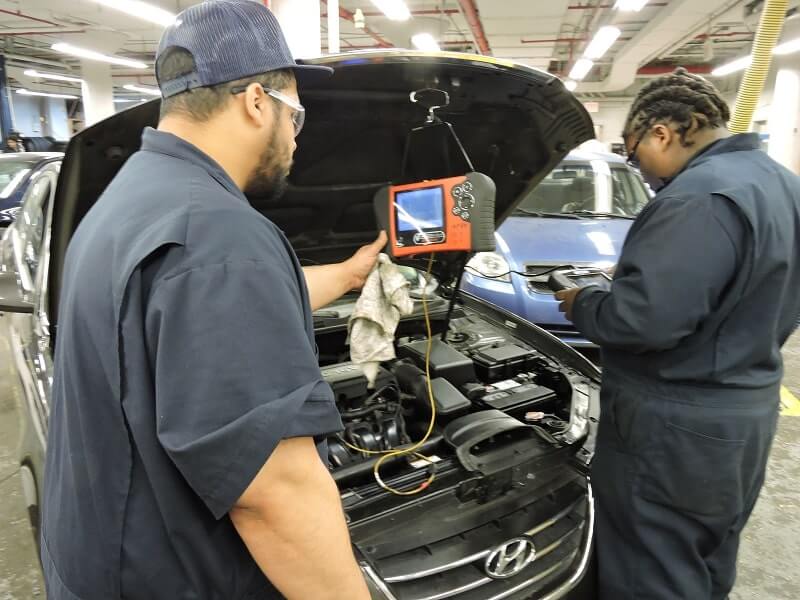
A passion for cars and hands-on work can take you far. But why is vocational school needed? It’s important to gain fundamental automotive skills that can set you up for success in the field. At Apex, the Automotive Service & Repair programoffers students the opportunity to learn about auto theory in the classroom and put their knowledge to use by working on cars in the shop.
This preparation can make a difference when students enter the field to pursue an entry-level position in the industry. Apex students get a total of 900 hours of theory and hands-on practice that they can use on the job. If you’re interested in how automotive service training can help you achieve your goals, learn more about our program today.
EXPLORE THE AUTOMOTIVE SERVICE PROGRAM

Choosing Trade School vs. College | Apex Technical School
Considering trade school vs. college? Technical skills can offer career options and personal fulfillment, especially if you enjoy hands-on work. If you’re unsure how learning a trade can benefit you or fit into your schedule, explore the top reasons why students choose to enroll in trade school.
Shorter Program Length
Trade school offers benefits that vocational-minded students may not get at a traditional two-year or four-year college. For example, a trade school like Apex may be a good choice for students who want to complete their program and enter their chosen field quickly—in as little as seven months.

Program Variety
At a trade school like Apex, students select from a variety of programs. Depending on their goals and interests, students may follow a path like welding, construction or plumbing. Others might be passionate about automotive repair, electrical or HVAC.
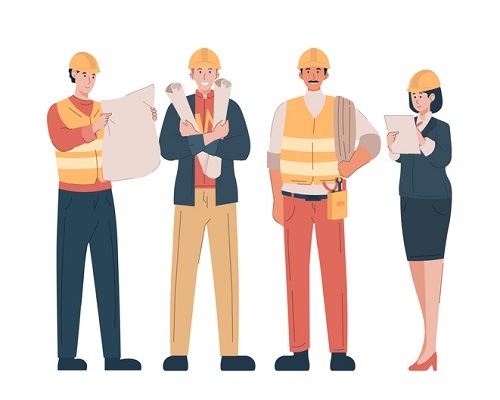
Hands-On Training
Hands-on training is one of the most popular reasons students attend trade school. There are many benefits to hands-on learning, including opportunities for students to learn how to use tools, practice real-world methods and techniques, and work independently and with others.

Student Support
It’s not uncommon for students to need support at the beginning, middle and end of their trade school journey. Because of the small class sizes and hands-on nature of trade school, students get the opportunity to work closely with experienced instructors who provide helpful demonstrations and answer questions.
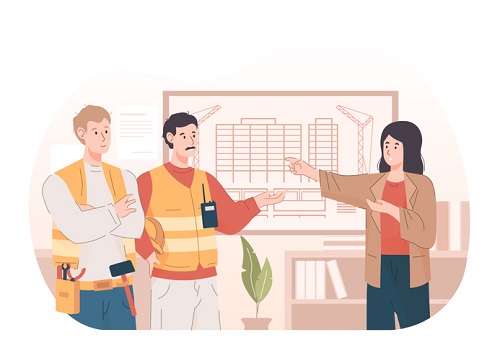
Job Placement Assistance
Some trade students are interested in talking to knowledgeable individuals about career options. A job placement assistance counselor often helps with career questions, resume and cover letter writing, interview preparation tips and networking.
Central Location
For our students, it’s important that the Apex campus is in a vibrant, central location in Long Island City, Queens. Our school offers students access from several subway lines. Trade students can commute to school easily, and there are plenty of nearby shops and restaurants within blocks of Apex.
Classes are starting soon! Call us at 212-645-3300 to find out more.

Home Electrical Wiring Types | Apex Technical School
When you open a service panel or look behind a light switch, you may see a tangle of cables or a neatly organized arrangement of home electrical wiring. Depending on your knowledge, your perspective changes! When you know a few basic things about residential electrical wiring , you can more confidently find problems and diagnose solutions.
Residential Electrical Questions
Whether you’re an electrical student who is already attending residential electrical wiring classes or you’re thinking about enrolling because you have an interest in the trade, it’s always a good time to test your knowledge and learn something new! Explore the residential electrical questions below to find out how much you know about identifying and understanding the different types of electrical wiring.
Related: Residential Electrical FAQs
What is residential electrical wiring vs. cable?
Electrical wire is a material that conducts electricity, and it is usually made of copper or aluminum. Most residential wires are wrapped in a nonconductive plastic coating. The plastic coating is sometimes called a jacket. A combination of two or more wires is called a cable. These are also wrapped inside a jacket to insulate the wires from touching other objects.

How do you read labels on electrical wiring?
The jacket, or insulation on an electrical wire is stamped with a code. This special code tells you what type of electrical wiring it is, as well as characteristics about its performance. THHN and THWN are the most common types of electrical wire used in residential construction. These letters stand for:
- T: Thermoplastic, a heat-resistant plastic
- H: Heat-resistant up to 167F
- HH: Heat-resistant up to 194F
- W: Moisture-resistant
- N: Nylon-coated to resist damage from oil and gasoline
Nonmetallic cables also have codes and lettering on them, indicating the number and size of wires inside the jacket, or plastic coating. Common labels on nonmetallic cables include:
- Nonmetallic Sheathed Cable (NM-B): Standard for dry indoor locations
- Underground Feeder (UF): Suitable for outdoors and in-ground
- Service Entrance (SE): Suitable for above-ground appliances and bringing power from a transformer to a house
- Underground Service Entrance cable (USE): Suitable for outdoors and in-ground, similar to SE cables
Finally, the numbers on a nonmetallic cable tell you about the wiring size and number of wires inside the jacket. For example, a jacket with “12/2” contains two 12-gauge insulated wires.
What is cable jacket color coding?
In addition to lettering and numbering, electrical wiring and jackets come in different colors to indicate how to use them. Color coding is a valuable tool in the electrical tradebecause it makes wires easily identifiable and promotes safer jobsites.
Hot
- Black
- Red
Sometimes Hot
- Blue
- Yellow
Neutral
- White
- Gray
Ground
- Green
- Bare copper

Residential Electrical Wiring Classes
Now that you’ve learned more about residential electrical wiring, take your curiosity further. Check out our Electrical and Advanced Electrical program page, and find out if electrical classes are a good fit for your goals. Have questions? Contact Apex to learn more.
EXPLORE THE ELECTRICAL PROGRAM

Practice Interview Questions for Skilled Trade Jobs | Apex
Heating, ventilation and air conditioning (HVAC) technicians often enjoy a rewarding and hands-on trade . These technicians require practical skills, problem-solving abilities and a passion for technical knowledge about heating, A/C and refrigeration equipment.
Individuals working in this trade should also understand HVAC safety standards. Whether you’re an HVAC student starting training classes, or you’ve been working in the field for years, you can find ways to protect yourself and others from potential hazards. Here are some HVAC safety tips to improve day-to-day operations:
What do you enjoy most about your line of work?
Hiring managers want to know about you and your technical skills and professional work habits . It’s a good idea to provide an answer that shows you have hands-on training. Instead of talking about how you will enjoy the company truck or the flexibility to set your own hours, you may consider discussing topics like working with your hands, solving problems and feeling accomplished that you completed the job on time and on budget.
How did you handle a disagreement at old job?
The interviewer is looking for evidence that you are a self-starter who can make decisions independently but who can also solve problems when they arise. Talk about a time when you and a coworker or customer disagreed about something. Maybe the customer wanted something that was unsafe or not permitted at your place of employment. Discuss how you listened to them patiently and worked to remedy the situation while ensuring no rules or safety measures were broken.If you can’t think of an example from ajob on your resume, you could also give an example of a disagreement you had in trade school. Think back to shop and theory classes—did you know you had the right answer, but a classmate insisted his answer was right instead? Maybe you found out your answer or technique was wrong. Tell the hiring manager how that impacted you, what you learned and how you approach this technique now.
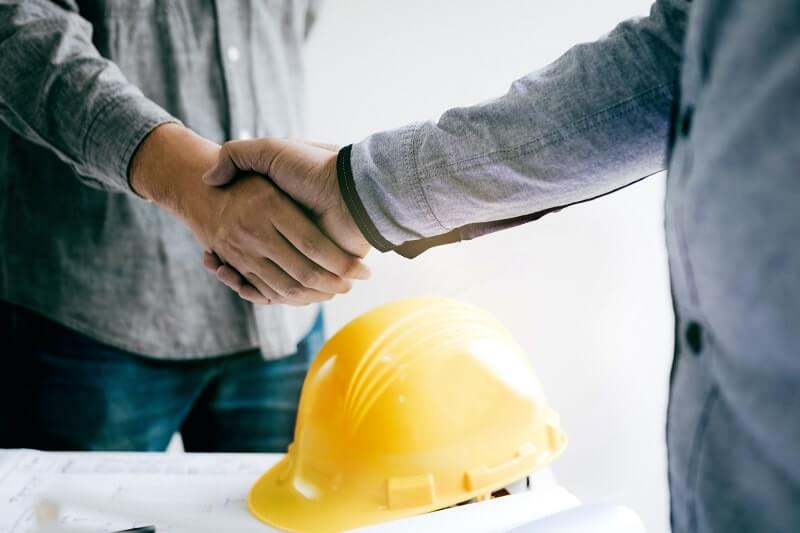
Why do you want to work here?
While this question may seem easy on the surface, it requires some thought. People need jobs to make money to support themselves and their family—that much is true. However, if a hiring manager asks you this question, that’s not the answer they are looking for. Instead, they want to know why you think you’re the best fit for their specific company.
To answer this question, prepare an answer by completing some research. Before your interview, visit the company’s website. Read about what the company mission—do you believe in that too? Why? Explore their services and offerings. How do those align with your own skills and abilities? Be able to explain why you think this company is the best place for you.
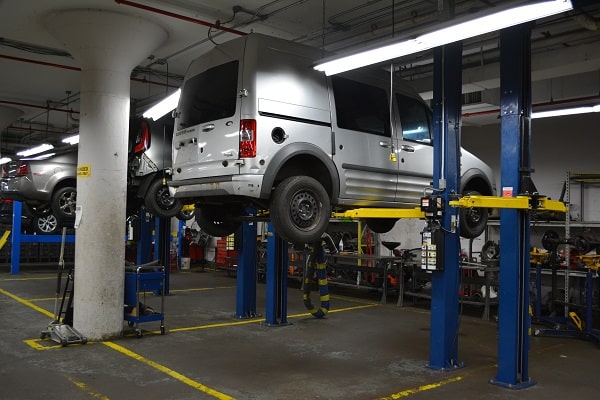
Find Job Placement Assistance at Apex Technical School
Why do students choose Apex? Students say our job placement assistance is one reason. We provide support to students during training and upon program completion. Learn more about how we offer job placement assistance to Apex students by contacting us today.