





Apex Insider
Where Do Welders Work?
Companies, factories and construction jobsites need welders to fabricate and repair equipment and building materials.
Key Highlights
Companies, factories and construction jobsites need welders to fabricate and repair equipment and building materials. Without metal work like welding, things like infrastructure, commercial products and certain everyday items would not exist.
In fact, welders are greatly responsible for building much of the world around us. According to theU.S. Bureau of Labor Statistics, 64% of welders work in the manufacturing industry. Welders can also work in the following industries:
- Aerospace
- Automotive
- Construction
- Electrical power generation
- Industrial maintenance
- Natural gas
- Railroad
- Shipbuilding
Let’s dive a little deeper into three of these industries to learn how welders make an impact and what their daily tasks might look like.
Manufacturing
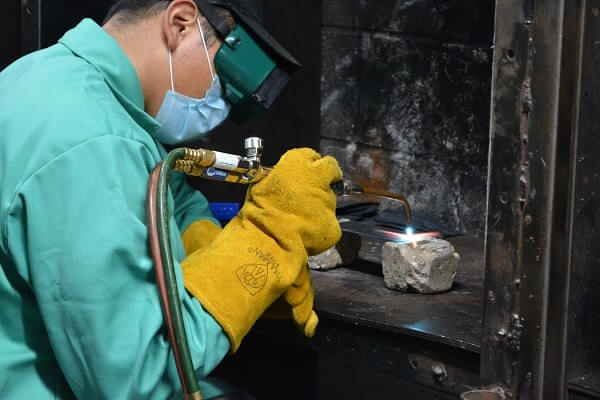
The types of welders who work in the manufacturing industry use welds to create new products or repair old ones. Furniture, mining machinery, agricultural tools and many other everyday items require a welder to heat and join their components together with welds.MIG weldingis standard in the manufacturing industry because it is fast and cost effective. A wide range of metal types play a role in the manufacturing of commercial products and equipment, and MIG welding is versatile and flexible enough to handle them.
Related:Common Questions About Welding Training
Auto Industry
Did you know that the average car requires thousands of welds? Welding has been, and will remain, a critical process for the automotive industry . Welders play a vital role on auto assembly lines, as well as at dealerships and auto repair shops where welding is required for safe repairs. Workers in these environments commonly use MIG welding or laser MIG welding to create strong bonds between thin metals such as aluminum.

Building, Construction & Infrastructure
Globally, more than half of all steel is used in commercial and residential construction. With such a great demand for steel in this industry, the need for welding is also strong. From erecting skyscrapers and office buildings to neighborhood homes, apartments and even roads and bridges, welders help construct America. Common types of welding used in building and infrastructure include flux-core welding, MIG welding and plasma arc welding.
Could you see yourself pursuing a future in welding? Start your path as a welder at Apex Technical School, where you can learn SMAW, GTAW, GMAW in our hands-on shops and classrooms. Classes are starting soon— contact us to learn more.
Next classes
Classes start every month
Day and evening classes at our Long Island City and Midtown Manhattan campuses. Talk to admissions to save your seat.
On this page
Apex Technical School
Ready to start your career?
Day and evening classes start throughout the year at both campuses.
Apply nowOr call 212-645-3300





Frequently Asked Questions
What industries employ the most welders?


What do welders do in manufacturing?
Do welders work in the auto industry?
What kind of welding is used in construction and infrastructure?
Where can I learn welding in New York City?
Contact us
Fill out the form to get started.

