How to Choose a Trade Program | Apex Technical School
Trade school is a popular choice for many people who want a career change. It’s also an alternative to community college or traditional university, which typically take two to four years to complete. In comparison, students can complete a trade program and enter the field much more quickly. You may agree that the benefits of trade school are clear—but how do you know which trade to pursue? Read on to learn how to make the right choice.
How do I choose a trade?
For some students, choosing a trade is easier than determining which vocational school to attend. Other students might have their sights set on a specific technical school, but they’re struggling to narrow down which trade program they want to pursue at that school. What should they do? Successful decision-making starts by breaking the task into manageable steps.
Get started with these three steps, and you’ll be on your way to making a solid choice in no time:

- Compare
Evaluate different trade schools based on the programs offered, faculty, hands-on learning opportunities , job placement assistance, and other factors.
- Research
Look into the trades that interest you . Research the industry, the day-to-day responsibilities, the tools and the working environment. Consider how a trade aligns with your passions and career goals. Could you imagine yourself in the field?
- Request
Contact your top trade schools to ask for more information . Ask questions about the trade programs that interest you, the classrooms and shops where you’d spend time learning, and request a tour of the school so you can feel firsthand if it’s a good fit for you.
Can I take more than one trade program at once?
In some cases, students may want to pursue two trade programs. For example, a student may be interested in enrolling in Apex’s constructionand electrical programs. At Apex, we encourage students to focus on one program at a time. Students learn hands-on trade skills, splitting 900 learning hours between the classroom and the shop.
Some students choose to return to Apex to enroll in a second program after they complete their first program. Apex welcomes students to return for more hands-on learning. In fact, some are second-generation students whose parents attended Apex before them.
Related: Tips to Find a Trade School

Find a Trade Program That’s Right for You at Apex
Since Apex Technical School opened its doors in 1961, it has trained tens of thousands of students. Our variety of trade programs offer students a hands-on, quality education. If you’re interested in a career change or pursuing a field you’re passionate about, contact us today. We can help you find a trade program that’s right for you.

What Is EPA 608 Certification for HVAC? | Apex Technical School
If you’re currently an HVAC student or you’re thinking of enrolling in HVAC trade classes, congratulations! This exciting field can be rewarding for many technicians who have a passion for problem-solving, details and working with their hands. However, before you can work with certain types of equipment and products in the HVAC trade, you must earn a special certification. Let’s explore what this certificate is and how you can earn it.
What Is the EPA Section 608 Certificate for HVAC?
The Section 608 certification measures HVAC technicians’ knowledge of handling various refrigeration products. The U.S. Environmental Protection Agency (EPA) requires that technicians provide a safe and eco-friendly outcome when they’re working with air conditioning and refrigeration fluids.
What does this mean? The EPA explains:
EPA regulations under Section 608 of the Clean Air Act require that technicians who maintain, service, repair, or dispose of equipment that could release refrigerants into the atmosphere must be certified.
By earning this certificate, technicians demonstrate that they know the proper methods for handling and disposing of fluids that can have potentially harmful effects on the environment.
Related : How Long Is HVAC School?
How do I get certified under Section 608?
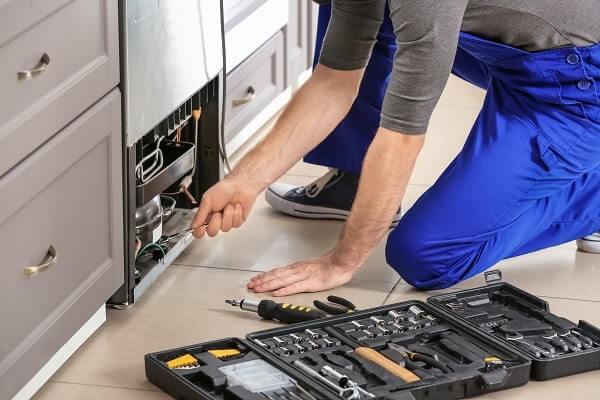
Technicians must pass an EPA-approved test to earn Section 608 certification. EPA-approved certifying organizations administer the test. The test is comprised of four parts with 25 multiple choice questions in each part. Apex Technical School encourages test takers to study before sitting for the exam.

Learn More About Air Conditioning & Refrigeration
Now that you understand how to get the EPA certification for HVAC technicians, it’s time to take the next step in your journey by enrolling in hands-on skills training. Apex offers HVAC classes in the day or evening to fit your schedule. Learn more about theHVAC programat Apex, orcontact usnow to get answers to your questions.
Female Electricians: Women in the Electrical Industry | Apex
The tide is turning for women electricians. Women make up an increasing percentage of skilled electrical workers. The electrical field can be a personally and professionally rewarding path, especially for women who enjoy being active while they work versus sitting at a desk. Like men, women have the potential to positively impact this industry. Here are a few ways female electricians can make a difference.
Break Down Stereotypes
For a long time, the electrical field was considered a man’s job. However, there is nothing inherently masculine about electricity—and women are just as capable of becoming electricians! Still, some women wonder if they can physically handle the day-to-day job. The answer? Yes!
Electricians typically don’t need to lift more than 50 lbs. on the job. As long as technicians are fit and adept, they can do the job regardless of gender. Overall, an electrical career pathtends to be more practical than physically taxing. In other words, electricians use technical, hands-on skills and draw from their knowledge of the tradequite often.
As more women pursue hands-on learning and enter this field, they will continue to break down outdated stereotypes.

Contribute to Electrical Training Classes
Diverse environments can improve how students learn. Electrical classes benefit from the perspectives and contributions of female students. Electrical students learn about everything from electrical safety, blueprints, residential wiring, breakers and fuses, grounding, bonding, splicing, currents and outlets. Technician training teaches women on-the-job skills they can use in an entry-level electrical position, whether you’re a recent high school graduate or a woman wanting to change careers.
Related : A Day in the Life at Electrical School
Fill a Unique Need in Residential Electricity
Some female customers feel uncomfortable when a man visits their home for a service call. Female electricians have a unique advantage in the residential electrical field—their presence can help put some customers at ease.

Want to Be a Woman in the Electrical Industry?
At Apex Technical School, we encourage all students to follow their passions and work hard to reach their educational and career goals. Women interested in pursuing an entry-level position in the electrical field can get 900 hours of hands-on training in as little as seven months. Want to explore our Electrical & Advanced Electrical program? Learn more now.
EXPLORE THE ELECTRICAL PROGRAM

Women in the Skilled Trades: Auto Repair Industry | Apex
Women mechanics make up more of the automotive repair industry than ever before. As increasing numbers of women enter the auto repair profession, many discover that the path is personally or professionally rewarding. Some women who have a passion for cars and hands-on work can find ways to contribute to this exciting industry as automotive technicians. Let’s dive deeper into how women can an impact in the auto repair field.
Following a Non-Traditional Path
While auto repair may be a non-traditional path for women historically, the trade is a good choice for women who are determined, hands-on and detail-oriented. The auto repair trade also gives female automotive technicians the opportunity to help others, as car ownership soars to new heights in the United States and people want mechanics they can trust. Customers need reliable, safety-minded and skilled auto mechanics to work on tires, breaks, suspension systems, axels and more. Just like men, women have the potential to turn their love of cars into a career they’re passionate about.
Related : How to Become an Auto Repair Technician
Automotive Training for Women
Female mechanic students are starting to take up more seats in automotive training classes, where students learn about everything from automotive engines, chassis work, powertrains, electrical circuits of automobiles, fuel system components, diagnostic techniques and much more. Technician training teaches women on-the-job skills they can use in an entry-level auto repair position, whether you’re a recent high school graduate or a woman wanting to change careers and fine tune your future as a certified mechanic.

From Woman Mechanic to Auto Repair Shop Owner
With the right mix of experience and skills, individuals in the auto trade can make an impact under the car or behind the counter. Some automotive technicians have opened their own auto repair businesses. One example is Patricia Banks, who operates Girls Auto Clinic in Philadelphia, Pennsylvania.
The number of cars on the road is expected to keep rising in the coming decades. Qualified auto technicians will be needed to repair and maintain vehicles, while some may even be inspired to gain the skills to open their own auto shop.

Want to Be a Woman in the Automotive Industry?
At Apex Technical School, we encourage all students to follow their passions and work hard to reach their educational and career goals. Women interested in pursuing an entry-level position in the auto repair field can get 900 hours of hands-on training in as little as seven months. Want to explore our Automotive Service & Repair program? Learn more now.
EXPLORE THE AUTO REPAIR PROGRAM

3 Electrician Safety Tips | Apex Technical School
Individuals who work in the electrical field often enjoy a hands-on experience on the job. Electricians require practical skills, the ability to work alone or with others and a passion for problem-solving. The working environment for an electrician may be in a large commercial building or a small corner in a residential home. No matter where electricians apply their skills and knowledge, they should understand and follow electrical worker safety standards.
Electrical safety is critical, whether you’re an electrical student starting training classes or you’ve been working in the electrical field for decades. Safe protocols and gear can protect people, property and things from dangers such as burns, sparks and electrical fires. Explore some electrical safety tips and keep these top-of-mind when you’re handing electrical wiring.
Assess the Work Setting
When an electrician arrives on a jobsite, he or she should pause and gain an understanding of the environment. Where is the electrical box? Are there current dangers, such as smoke or water near electrical currents? If the situation is not an emergency, are there any potential hazards? Incorrectly installed equipment may not be immediately noticeable. Take a few moments to look over the work setting and prepare yourself for the job at hand.
Equip Yourself with Safety Gear
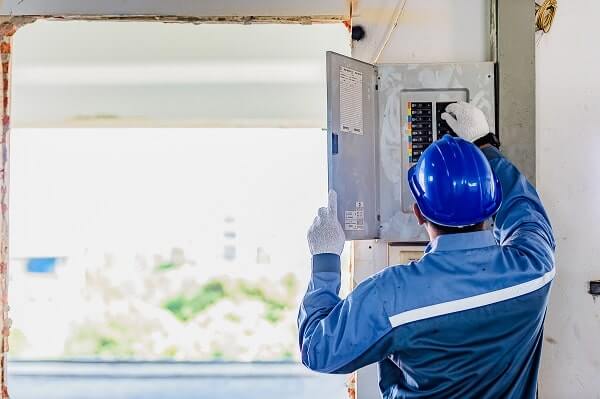
Safety gear is one of the most important parts of staying safe in the workplace. It’s a good idea to keep all your electrical safety gear with you when you travel to jobsites so you aren’t putting yourself at risk. Items like insulated gloves protect your hands from electrical currents, while protective eyewear keeps your vision safe from sparks.
If you are working on a construction project with the potential for falling debris, don’t forget to wear a hard hat to ward off injuries from heavy or sharp objects. Some individuals wear flame-retardant clothing that covers your arms and legs. In the event that an electrical spark starts a fire near you, fire-retardant clothing can keep your skin protected from burns.
Related: Is the Electrical Trade the Path for You?
Use a Multimeter to Test Wires
A multimeter is a handheld electrical tool used to test voltage, resistance and current. This tool may be standard in the electrical trade, but it is important for testing to see if a wire is safe. If the multimeter determines the component is weak enough, you can safely handle or touch the wire during the repair job. Always use a multimeter to test wires; other tools like screwdrivers or wrenches should not be used to check potentially live components.
Electrical safety is the first rule of working in the electrical trade. With electrician training, you can help keep your work environment safe and productive. Learn more about the Electrical & Advanced Electrical program at Apex Technical School. Classes are starting soon!
EXPLORE THE ELECTRICAL PROGRAM
How Long Does It Take to Become an Entry-Level HVAC Tech?
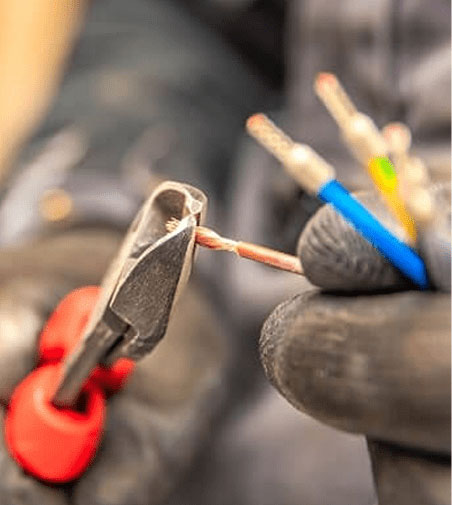
HVAC training is a popular option for students who feel inspired by heating, air conditioning and ventilation as a potential career path. However, if you’re motivated to start working in the field quickly, you may be wondering just how long HVAC school takes to complete. Here’s some good news: training classes at HVAC technical school might not take as long as you think.
How Long Does It Take to Get an HVAC Certificate?
At Apex Technical School, students can spend as little as 7 months in the HVAC program . This timeline is long enough to give students 900 hours between the classroom and the shop, while also providing a more direct route to completion than a community college or traditional university, which can take two to four years on average.
Now that you have an answer to the question, “How long is HVAC training?,” let’s explore the benefits an HVAC training program will offer you during that time period.
Hands-On Experience
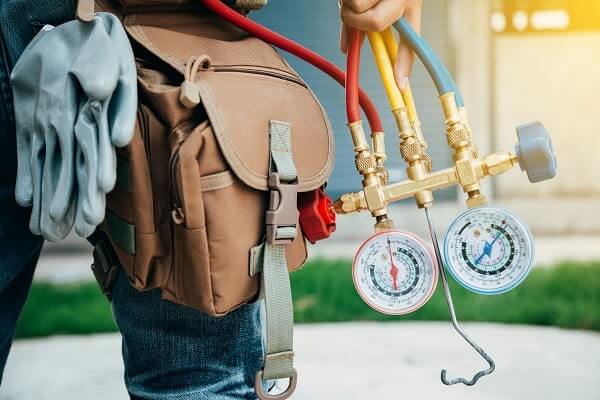
In the HVAC program at Apex, students get opportunities to practice hands-on techniques that they can carry with them after graduation. Students learn to maintain and repair domestic and commercial air conditioning and refrigeration systems, electrical controls, major home appliances and gas-fired heating systems. They move from basic courses to more advanced classes, practicing their skills and HVAC theory along the way.
Opportunity to Learn Alongside Others
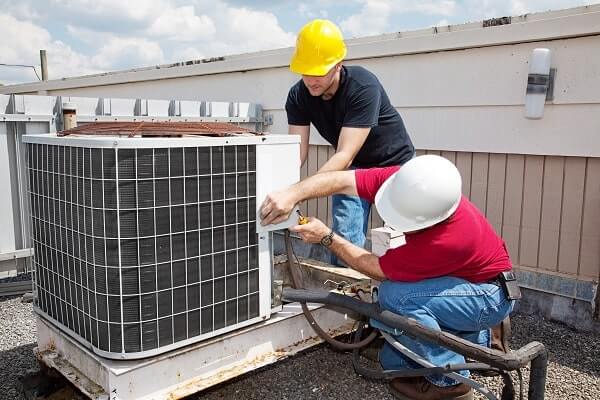
In addition to gaining hands-on experience in six courses throughout the HVAC training program , students also get the opportunity to learn with like-minded peers who share their interests. Dedicated instructors with field knowledge lead classes and demonstrate technical methods used within the HVAC industry. Through collaboration and instruction, students practice what it means to work through challenges together and independently—just like in the workforce.
Related : How Hands-On Learning Benefits Trade Job Seekers
Preparation for an Entry-Level Position
When you want to break into a new industry, such as the HVAC industry, an entry-level position is an important goal. Apex helps you on your journey to realize that goal by providing a path to learning the HVAC trade and giving helpful resources. From job placement assistance to resume writing tips and interview preparation, support is available at Apex.
Learn More About Our HVAC Technical School
Don’t get cold feet. Take the next step, and learn more about our HVAC program . Explore topics covered in our HVAC classes, request information and more. We’re happy to answer your questions about enrollment, start dates, financial aid opportunities and classes. Simply contact us online to get started.
Exploring the Carpentry Trades | Apex Technical School
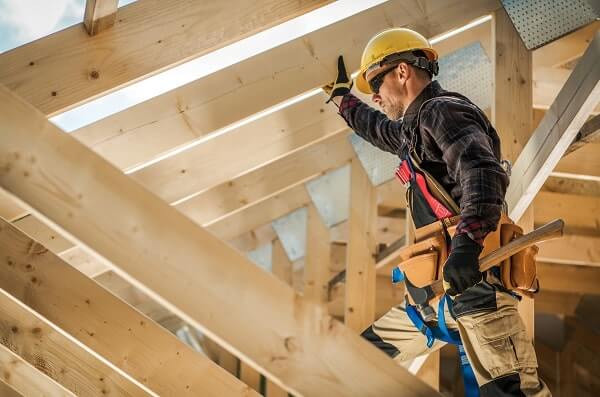
A carpenter or builder is a vital contributor to the construction trade. Carpenters construct, repair, and install building frameworks and structures made from wood and other materials, according to the Bureau of Labor Statistics . Many work indoors on fine details for cabinetry, walls and even furniture, while other carpenters work outdoors on the skeleton of a building or the temporary bracing for large-scale structures like bridges or sewers.
Woodworkers rely on carpentry tools to craft and shape their materials. Door frames, stairwells, rafters, and many other residential and commercial building elements are made of wood. Therefore, these professionals use basic carpentry tools—from tape measures to table saws—to help accomplish daily tasks.
Types of Carpenters
Like doctors, there are different types of carpenters. You wouldn’t go to a surgeon for a sore throat, and you wouldn’t hire a cabinetmaker to install door frames for a strip mall. Often, professionals focus on a specific area within the carpentry and building trade. Let’s review some common types of carpenters and explore their specialties.
- Cabinetmaker
This carpenter does fine and detailed work, specifically wardrobes, chests and built-in pantries.
- Joiner
This carpenter does finish work where exact joints are critical, such as furniture making and model building.
- Formwork carpenter
This carpenter creates falsework, or temporary structures used to support a permanent structure until it is complete enough to support itself.
- Framer
This carpenter builds the framework of buildings.
- Trim carpenter
This carpenter does molding, trim, door and window casings, baseboards and mantels
- Green carpenter
This carpenter practices environmentally friendly, energy efficient and sustainable methods and often uses fewer materials to achieve structural accuracy.

3 Industries Where Carpenters Work
Carpenters can be highly valuable trade workers for several industries. Their hands-on training, attention to detail and knowledge of woodworking make them assets on a jobsite and for growing the nation’s infrastructure. The three main industries that employ carpenters are:
- Residential
Carpenters in the residential construction industry help to build single-family homes, apartments and condos. They assemble the framework and walls, lay flooring and complete finish work, such as built-in cabinetry, moldings, mantels and trim.
- Commercial
Carpenters in this field work on retail stores, malls, office buildings, high-rise buildings and restaurants. They interpret construction plans, build framework and install windows and doors, all using power tools and hands-on skills.
- Industrial
Carpenters who work in the industrial field specialize in large projects like dams, tunnels and sewers. They may provide the temporary bracing, called falsework, required to hold up the structure during construction. Sawing, shaping, installing and repairing comprise some of their common tasks in the industrial industry.
So, You Want to Be a Carpenter?
Now that you know a little more about the carpentry trades and the different types of carpenters, you may have a clearer idea about your future. If your passions include working with your hands or constructing something completely new—carpentry might be a good fit for you! Check out our Construction & Building Skills Program to see what you could learn in 900 hours split between the classroom and the shop.
EXPLORE THE CONSTRUCTION PROGRAM

What Is ASE Certification for Mechanics? | Apex Technical School
The National Institute for Automotive Service Excellence (ASE) tests and certifies automotive professionals to improve the quality of vehicle repair and service. The ASE certification signifies that an individual knows how to repair and service a vehicle.
When drivers take their vehicles to an auto repair shop, they want reassurance that the auto technician has the skills to complete the task at hand. With ASE-certified mechanics, repair shops communicate to customers that they are prepared to meet quality standards.
Why is the ASE certification important?
The ASE certification gives vehicle owners peace of mind when they take their car to the shop for service and repairs. More than 250,000 individuals in the U.S. have earned the ASE certification. Auto technicians also benefit from earning the certification, which shows they have the mechanical, electrical and systems knowledge to work on vehicles safely and accurately.
How do I become ASE certified?
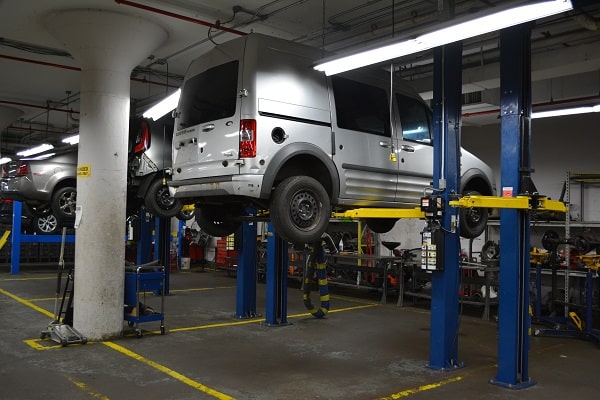
Individuals must meet certain criteria to apply for ASE certification . They must:
- Show two years of experience in the automotive repair industry
- Be able to complete and pass the specialty examination, which is offered throughout the year
- Choose the specialty type of ASE certification they would like to receive — they can become certified in breaks, heating and cooling, suspension, engine repair, automatic transmission, suspension and steering, brakes, electrical/electronics, engine performance, auto maintenance and light repair, among others
Study guides and an online practice tests can help individuals prepare to take the ASE certification test. The practice test is an opportunity to experience what the test questions and format will be like prior to taking the exam.
How long does it take to earn my ASE certification?
The ASE certification test can take up to 90 minutes to complete. Technicians must complete two years of qualified work experience in the automotive repair industry to receive certification. For many technicians in training, this experience starts with hands-on learning at a trade school like Apex.
Apex’s instruction, course of study, facilities, and equipment have been evaluated by Automotive Service Excellence (ASE) and the National Automotive Technicians Education Foundation (NATEF).
Start Auto Repair Training Today

Consider our Auto Repair Program as one of the ways to kick off your future in automotive repair training. Apex offers hands-on training, split between the classroom and the shop, so students learn automotive theory and technical skills. Classes are starting soon; contact us to speak to our admissions staff and tour the Apex campus.