




Apex Insider
What Is a Pipefitter and What Do They Do?
Pipefitters are specialist plumbers. They work with high-pressure piping systems, commercial or industrial heating and cooling systems, and some may even maintain fuel delivery systems.
Key Highlights
Pipefitters are specialist plumbers. They work with high-pressure piping systems, commercial or industrial heating and cooling systems, and some may even maintain fuel delivery systems. Though their roles may seem similar, a pipefitter and a plumber support different scenarios.
A pipefitter handles jobs that have potentially dangerous substances, like chemicals or steam, while a plumber handles jobs that involve water and waste. Learn more about pipefitters below, including a detailed pipefitter job description, a pipefitter tool list and environments where pipefitters may work.
Pipefitter Job Description
Pipefitters design and assemble pipe structures that carry chemicals, steam or liquids. They often work on commercial and/or industrial properties by laying out, assembling, installing and maintaining piping systems. Pipefitters can collaborate with project managers and understand how to read a blueprint that describes piping requirements. They follow building codes and safety standards, and they wear personal protective equipment to stay secure on the job.
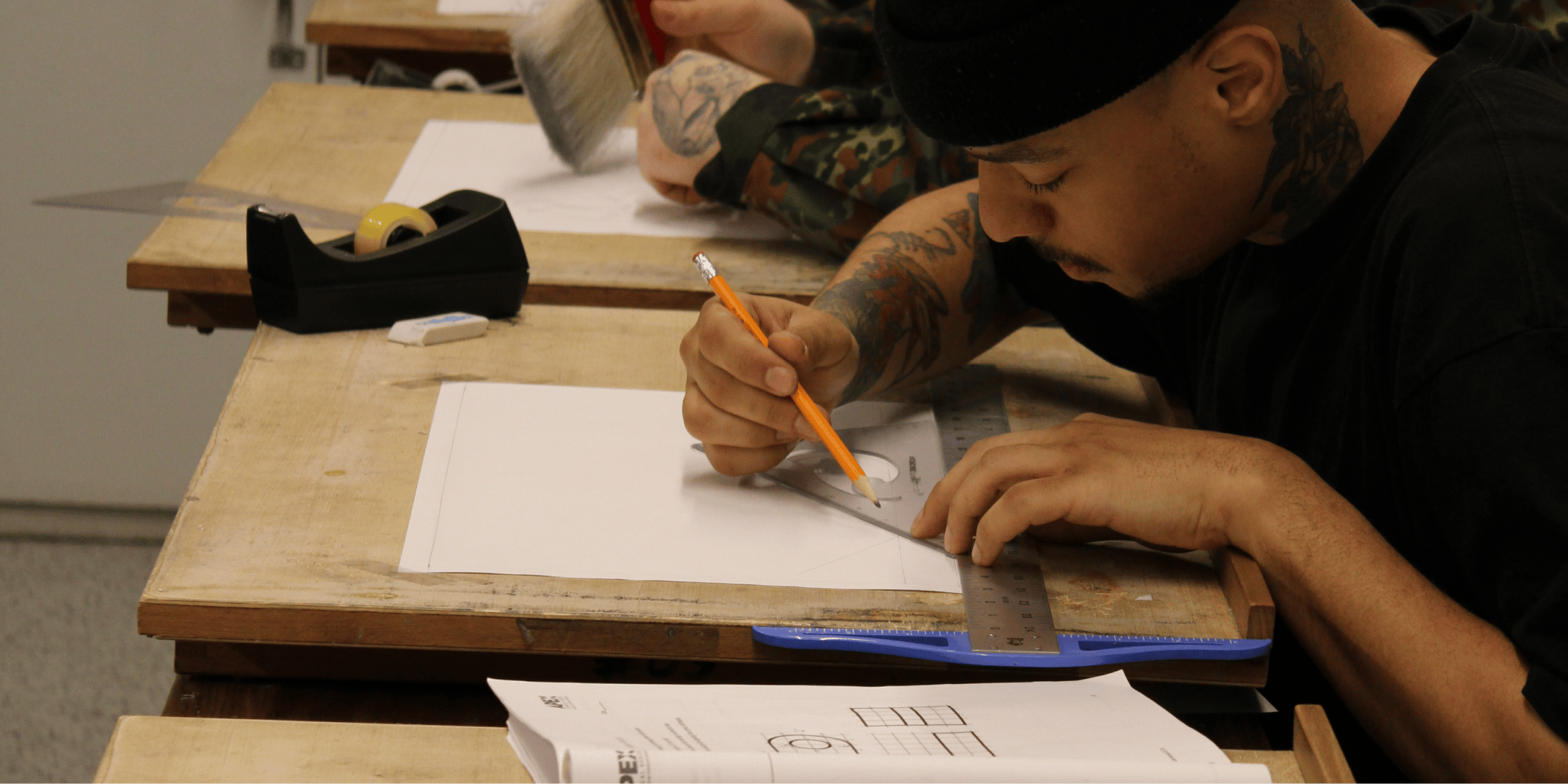
How does Apex prepare students for a future in plumbing and pipefitting? Learn about a day in the life of a plumbing and pipefitting student .
Pipefitter Jobsites and Industries
Many industries need skilled pipefitters. Common industries that employ pipefitters include:
- Local government
- Natural gas distribution
- Utility system construction
- Commercial building construction
- Industrial building construction
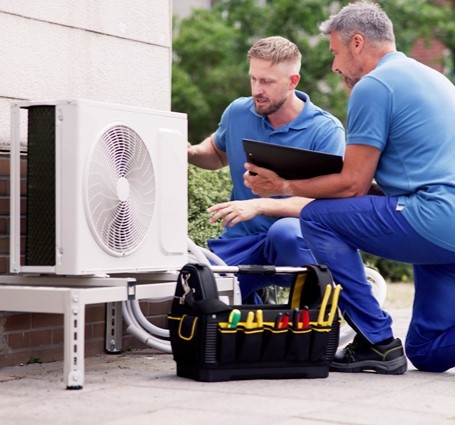
Pipefitters can work at various jobsites, such as utility companies, hospitals, gas plants, waste management settings, heating and air ventilation companies, oil refineries or chemical plants. Depending on qualifications, project need and skill level, certain jobsites might require both pipefitters and plumbers.
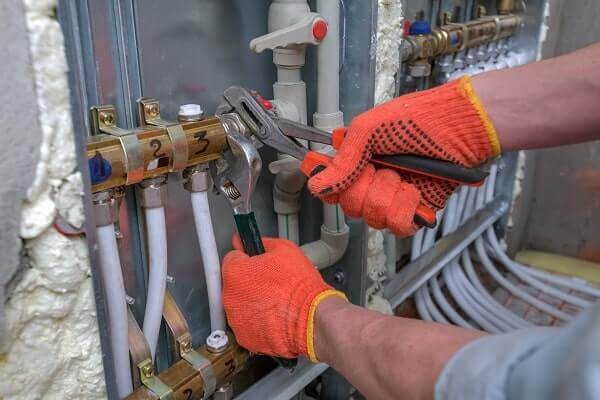
Pipefitter Tool List
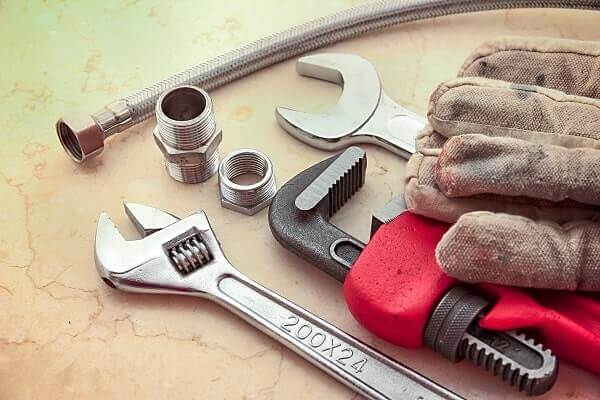
Pipefitters have hands-on skills and knowledge of piping systems, as well as the tools required to install and maintain these important systems. Some tools that pipefitters may use include:
- Welder’s gauge
- Fitter grips
- Pipefitter’s square
- Flange aligners
- Pipe wraps
- Centering head
While this is not a complete list, these items can help pipefitters to get the job done, whether they work in a commercial or industrial environment.
Want to Start Pipefitting Training?
If you’re interested in pursuing a career based on hands-on skills, pipefitting might be right for you. Grow your knowledge of plumbing and pipefitting at Apex Technical School. Classes are starting soon, and we’d like to show you our classrooms and shops. Learn more about pipefitting training now, and contact us to schedule a visit.
Next classes
Classes start every month
Day and evening classes at our Long Island City and Midtown Manhattan campuses. Talk to admissions to save your seat.
On this page
Apex Technical School
Ready to start your career?
Day and evening classes start throughout the year at both campuses.
Apply nowOr call 212-645-3300





Frequently Asked Questions
What is the difference between a pipefitter and a plumber?


What does a pipefitter do day to day?
What industries and jobsites employ pipefitters?
What tools does a pipefitter use?
How can I start pipefitting training in New York?
Contact us
Fill out the form to get started.

