






Car Maintenance on Older Cars | Apex Technical School
The more you use something, the quicker it wears out and needs repairing. Over time, a driver may put thousands of miles on an engine, which rotates 180,000 times per hour. In addition to the engine, a car’s wheels and bearings also rotate millions of times during their lifespan. But usage isn’t the only factor to consider as a car ages—weather also plays a role. Oxygen, sunlight and moisture break down the plastic and metal that make up the pieces and parts on a car.
With so many aging cars on the roads, it’s important to know about common problems with an old car, as well as when to seek car maintenance. As a trade school student or someone who is interested in car maintenance, you can test your knowledge about car repair below.
Diagnosing Electrical Problems
A maze of wires, fuses and other electrical components lives under the hood of a vehicle. These electrical elements ensure the car runs smoothly and reliably, but they can also have trouble operating as the car, truck or SUV experiences wear and tear over time. Diagnosing electrical problems requires someone who is skilled and qualified in the automotive trade and has the knowledge to safely repair or replace components such as:
- Dead battery
- Bad alternator
- Bad starter
- Corroded or loose battery cable
- Blown electrical fuses
- Failed spark plugs

A Dead Battery
The typical car battery lasts about three years or 50,000 miles. Car batteries die when their amps or electrical currents naturally decrease over time. When this happens, the battery can’t hold a charge. As a car ages, so does the battery. Car batteries should be replaced every 50,000 miles or three years as a preventive measure—even if they don’t show signs of damage. A bad alternator or temperature sensor could also shorten the life of a car battery. Always address these issues when they occur or take the car to a person experienced in the automotive trade.
Grinding or Squeaking Brakes
Like a battery, brakes are intended to wear out after a specified period of use. Old cars may go through multiple brakes over their lifespan. As they are critical for slowing and stopping, brakes should be replaced immediately when they begin to wear out. Squeaking, grinding or a soft brake pedal indicate an issue with a car’s brakes. They should be inspected by a qualified individual skilled in the auto trade.
Related: 5 Auto Repair Questions and Answers
Brittle, Cracked Gaskets
Gaskets in the engine can become brittle and crack with long-term, normal exposure to oxygen. Because gaskets seal fluids, once they crack, they allow fluids to leak out onto the road, driveway or garage floor. Gaskets can be found around the engine, transmission and differentials. A person skilled in automotive repair can evaluate and replace old, worn gaskets.
Rusted or Chipped Paint
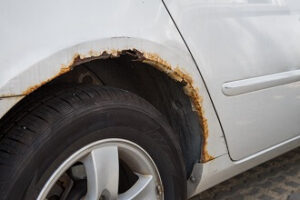
Similarly, weatherstripping designed to keep moisture out of the vehicle can begin to dry out and crack with age. This can cause rain water to enter into crevices, which leads to rust. Sunlight also fades and weakens paint on already old cars. Paint protects metal cars from the elements—but when it becomes weak, it chips off and exposes the metal beneath.
Vehicles with chipping paint tend to rust quickly because the protective barrier is gone. However, individuals skilled in auto body repair can take steps to apply new paint. They can even use a computerized system to match the original paint color.
The Importance of Regular Car Maintenance
Common problems with old cars should be addressed right away. When they are, it’s possible to extend the lifespan and safety of the vehicle. If you have a passion for cars and vehicle repair, consider pursuing a path in automotive or auto body repair. Apex Technical School offers hands-on training for an entry-level position in the field. Learn more about our program by exploring the courses we offer today.
LEARN ABOUT THE AUTOMOTIVE REPAIR PROGRAM

What Is Automotive Welding? | Apex Technical School
Welding is performed in a variety of industries and trades. Some tradesmen and women in the auto body and automotive industries rely on welding to fuse together car parts. Clean, strong welds are an important part of auto body work because they improve a vehicle’s appearance and reliability. Interested in the field of auto body repair? Keep reading to learn more about welding on cars.
What is automotive welding?
Auto body technicians use a variety of automotive welding techniques to complete structural repairs on various vehicles and equipment. They may also design a metal component to improve an existing structure. The most common welding methods for automotive jobs include resistance metal inert gas (MIG) welding, plasma arc welding (PAW) and tungsten inert gas (TIG) welding.
Learn more about MIG Welding and Other Common Welding Types.
How does a technician use auto repair welding?
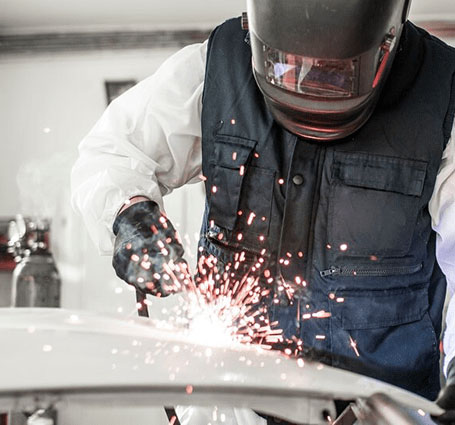
An auto body technician may use different techniques and welding tools to complete individual jobs. Some auto body technicians may use welding to fix cracked vehicle panels, damaged fenders, welding exhaust on cars or rusted metal. Some job duties could include:
- Perform structural repair on vehicles (e.g. repair cracks)
- Fabricate metal components
- Improve structural design and integrity
- Interpret factory diagrams
- Understand blueprints and sketches
- Comply with safety regulations
What types of welding tools are used for auto body repair welding?
In general, welding is a tool-intensive trade. Auto body welders need the right welding tools and safety equipmentto perform the task at hand. Hands-on classes at Apex give students the opportunity to work with tools and put theory into practice. Some auto body welding essentials include:
- Welder
- Welding helmet or goggles
- Gloves
- Hearing protection
- Welding curtains
- Welding clamps

What are some examples of automotive welding?
There are many ways to use welding on cars to repair collision damage or damage due to age. Here are some welding applications for vehicles:
- Vehicle Frame or Fender Welding – Vehicle frames and fenders become bent or damages in collisions. A technician may need to cut out the warped piece of metal and replace it with a new piece. He or she can use automotive welding to adhere the new piece of metal and repair the car’s frame or fender safely.
- Welding Exhaust on a Car – Exhaust systems can rust and develop holes due to age, moisture and constant use. Some auto body technicians can cut the exhaust pipe, clamp the pieces, apply spot welding and complete the weld.
- Wheel Welding – This type of welding on cars is helpful to repair wheels damaged by potholes, which often crack metal wheel frames. Some auto body welders can repair the wheel frame using a TIG welder.

Learn More About Automotive Welding at Apex
Welding is not only a valuable trade, but also a useful skill for an auto body technician who wants to pursue working in auto body repair or automotive mechanics. Are you interested in learning more about the Combination Welding Technology program at Apex? Explore our program to find out more about our welding classes.
LEARN ABOUT THE WELDING PROGRAM
Questions Homeowners Ask About Home Electrical | Apex
Electrical problems can be unsettling for most homeowners. Electricity powers many appliances in the home—and when it’s not working, it can be an inconvenience. Some electrical issues can also pose a potential fire hazard. These should be addressed right away by an electrician. In fact, all electrical problems, from a short circuit to rewiring a house, should be handled by a qualified individual with electrical skills and knowledge. Check out these common questions homeowners might ask about the electricity used to power items in their homes.
What uses the most electricity in your home?
This basic electrical question is one of the first questions homeowners may ask. Residential energy consumption is the third-largest use of energy in the United States. These are the 10 most common sources of electricity consumption in 2019, as projected in theAnnual Energy Outlook 2020:
- Space cooling
- Space heating
- Water heating
- Refrigeration
- Lighting
- Clothes dryers
- Televisions
- Computers
- Furnace fans
- Freezers
Sometimes, homeowners don’t know when appliances are actively consuming electricity in their homes. In fact, some appliances use electricity even when they are switched off or not in use! These include printers, microwaves, routers and modems, and gaming consoles.
Why does an outlet spark when I plug in a device or appliance?
It’s normal to see the occasional small flash of electricity when you plug in a lamp, hair dryer or other appliance. However, if there is a spark every time you use the outlet—there might be a problem. The outlet could be short circuiting. Short circuits break down insulation and wires, and they are a potential fire hazard. An individual who works in the electrical trade can help diagnose the problem and recommend a solution.
Why are plugs falling out of my wall outlet?
Over time and with frequent use, the outlet loosens and wears down. When this occurs, homeowners should have it fixed it right away. Like outlets that short circuit, loose outlets can spark too. These sparks are a potential fire hazard. If a socket is worn out, it is best to replace it right away to stay as safe as possible. Replacing an outlet requires rewiring part of the home’s electrical wiring. Make sure to call a qualified electrician who has the knowledge and hands-on skills to rewire a house wall socket easily and quickly.

My circuit breaker trips all the time. Why?
This likely occurs when you use too many appliances at one time. And it may be an indication that your electrical circuits were not designed or installed correctly. Some powerful appliances, such as refrigerators and clothes dryers, require their own powerful circuits. An electrician can inspect the home’s circuitry to determine if too many appliances share a circuit, and ultimately make repairs to stop breaker trips.
What is GFCI protection?
A GFCI outlet is designed to protect against electrical shock if it gets wet. GFCI outlets are required in bathrooms, garages, crawl spaces, basements, laundry rooms and other areas where water is present. They have a test button to turn off the GFCI, and a reset button to turn it back on after it has tripped. Having trouble getting a GFCI outlet to turn back on? Call an electrician who will be able to diagnose and fix the issue.

Interested in learning if an electrical career path is right for you? Check outthis blog postor contact us to learn more about theElectrical & Advanced Electrical programat Apex.

Questions Homeowners Ask About HVAC Maintenance | Apex
Home Heating and Cooling FAQs
When an HVAC system works, most homeowners don’t think twice about it. When it doesn’t work, they may have many questions about heating and cooling units, energy efficiency and repairs. Here are some questions homeowners might ask when they are considering repair or replacement or trying to learn more about their major home appliances.
What is the HVAC system?
First-time homeowners may be unfamiliar with HVAC systems and might ask individuals in the HVAC trade questions about their purpose and how they work. HVAC stands for heating, ventilating and air conditioning, and they provide heating and cooling for indoor comfort. Air conditioning systems have one unit inside the residence that absorbs heat from the home’s air and one outdoor unit that empties that absorbed heat outside.
Does a larger HVAC system offer better performance?
Some people may wonder if a bigger HVAC system is better than a smaller model. After all, bigger is better—right? According to individuals in the HVAC trade , the answer is no. An HVAC system that is too large for the size of your home uses too much energy. Overly large systems are less efficient and cost more money to run than properly sized units.
Because large HVAC systems require more energy to start up, they may short cycle or turn off and on many times. The result is wasted energy, higher electric bills and lower comfort levels in the home.
How often should I change my filters?
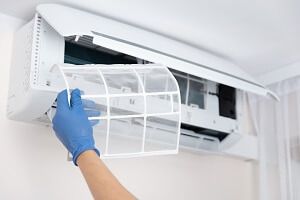
Don’t forget about regular HVAC maintenance. To keep your air conditioner and furnace running smoothly and your energy bills low, replace the air filter on a routine basis. Individuals in the HVAC trade recommend replacing your filter every 90 days. However, there are a few additional factors you may want to consider.
If you have a pet in the home, such as a dog or cat, replace your filter every 30–60 days. Some pets shed more when the seasons change. Consider installing filter replacements in the fall and spring. If someone in the home suffers from asthma or allergies, replace the filter every 20–45 days.
How long do HVAC systems last?
Different types of air conditioners and furnaces have different life expectancies. Typically, the average lifespan is 10–20 years. However, with regular HVAC maintenance, cleaning and refrigerant replacement, some HVAC systems may last up to 30 years. Life expectancies for a variety of HVAC types include:
- Air conditioners: 10 to 15 years
- Furnaces and boilers: 15 to 20 years
- Geothermal: 30 years
- Water heaters: 10 years
- Tankless water heaters: 20 years
How do you know if your HVAC system is going bad?
Your HVAC system can experience troubling symptoms, indicating it might be time for repair or replacement.
- Unusual smells
Bad odors in your home could indicate motor or wiring problems inside your HVAC system. If the air smells stale or burnt, let the system run for 30 minutes. If the smell persists, call an HVAC specialist. If the air smells moldy, your system may not be draining moisture properly. Schedule a maintenance checkup before drainage issues result in rust build up or health problems.
- Slow air flow
Dirty air filters can cause slow or restricted air flow. If changing the filter doesn’t return the air flow level to normal, call an HVAC professional. Long-term restricted air flow can cause compressor failure.
- Thermostat problems
The temperature in your home should feel like the temperature reading on the thermostat. When your thermostat reading doesn’t match the temperature in the home, there is likely an issue with your HVAC unit. If your thermostat says 68 degrees but your home feels like 80 degrees, it’s time to schedule a repair.
- Noises
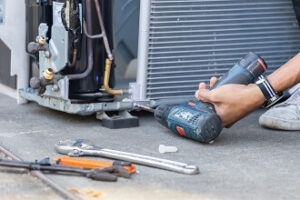
Loud or strange noises indicate problems in an HVAC system. Some homeowners report mysterious rattling, whirring, buzzing or clicking sounds coming from their units. Noises may be a symptom of the following issues and should be handled quickly:
- Refrigerant leaks
- Loose mechanisms
- Clogs
- Compressor failure
- Broken fan
Why is my air conditioner running but not cooling my home?
Inadequate air flow is the most common cause of inadequate cooling. When the HVAC system cannot pull air into the system, it cannot recirculate cooled air back into the home. A dirty air filter is often to blame for an air conditioner that doesn’t cool the home.
If this doesn’t solve the problem, check to see if the outdoor unit is covered in dirt, debris or grass. Clean it with a garden hose on a gentle setting. If the unit still doesn’t cool the home, it’s time to call an individual who works in the HVAC trade who can identify and fix the problem.
Interested in learning if an HVAC career path is right for you? Check out this blog postor contact us to learn more about the Air Conditioning and Refrigeration programat Apex.
How Workers Can Promote Safety on Construction Sites | Apex
Minimize Construction Injuries with a Site-specific Safety Plan
Construction and building sites are bustling, active locations. They can be exciting and energizing places for individuals in the construction and building trade—but they can also be dangerous places for unskilled workers. It’s important that individuals in the construction trade understand how to keep themselves and others safe on site while minimizing their risk of injuries.
Follow the Construction Site Safety Plan
A site-specific safety plan is a document that outlines how a general contractor will manage the risks, health and safety requirements at a specific construction or building project. It helps set expectations for everyone working on the construction site. The construction site safety plan is written for all employees at the jobsite so they are aware of hazards and ways they can prevent injuries.
Wear Protective Gear
Safety plans include wearing protective gear, such as hard hats, steel-toe boots, gloves, long sleeves and safety goggles. Some workers use ear protection to help shield high-pitched noises produced bytools and equipment. Respiratory protection safeguards workers who may be working around dust, paint or chemical fumes.
Protective gear is often designed to keep workers safe from debris that may fall from overhead or liquids on the ground that could lead to slips and falls. Some workers may need to complete tasks high off the ground. As a result, they might rely on protection such as harnesses or nets that serve as an extra layer of security.
Attend Safety Meetings and Trainings
Joining safety meetings is one of the best ways to prevent construction jobsite injuries. Safety meetings often occur daily before workers begin their tasks. The project manager may remind workers about safety protocols, make announcements or demonstrate how to use a tool or piece of equipment. Frequent meetings keep safety information fresh and relevant—and workers may be more cautious after they attend a meeting.
Similarly, trainings keep construction and building workers up to date with new methods, tools and industry knowledge. They teach workers how to recognize and minimize jobsite hazards.

Take Advantage of Technology
Technology can make it easier to communicate on construction sites . Hand-held radios allow workers to talk about plans and safety from a far distance or in noisy environments. Some construction site planners and contractors use unmanned aerial vehicles, known as drones, to safely inspect sites and conduct audits.
Smartphones and tablets can give workers access to project data and safety protocols. By using a variety of devices, construction site workers can quickly and safely communicate and call for help if an injury occurs.

Are you interested in learning more about theConstruction and Building Skills programat Apex? Explore our program to find out more about our classes.

4 Types of Welding | Apex Technical School
Welding is a process that joins metals by applying heat and pressure. The earliest known examples of welding come from the Bronze Age during the Middle Ages. For thousands of years, welders have transformed base materials into new items or have used their craft to repair old or broken items. Individuals in the welding trade improve their skills with hands-on learning and dedication to the process of welding.
There are four main types of welding and a variety of uses. With attention to detail and passion for the trade, students can gain the skills and knowledge to enter this exciting industry. How much do you know about the different welding processes? Keep reading to learn how weld operators perform four types of welding.
MIG – Gas Metal Arc Welding (GMAW)
MIG welding is a type of arc welding that uses a continuous wire called an electrode. The electrode passes through the welding gun, enters the weld pool and joins two objects together. The welding operator also uses shielding gas that travels through the welding gun and protects against contamination.
MIG welding is one of the most common type of welding. It can be used in the automotive industry for repairing vehicle exhausts, as well as in the construction industry to create homes and buildings. Some advantages of MIG welding include:
- Higher electrode efficiency
- Minimal cleanup required
- Lower heat inputs
- Reduced welding fumes

TIG – Gas Tungsten Arc Welding (GTAW)
Like MIG welding, TIG welding also uses an electric arc. Welders use an electrode made of tungsten, one of the toughest metal materials found in nature. Tungsten does not dissolve or burn off. Welding can be done with the use of a filler metal or without a filler metal (this process is called fusion).
TIG welding also requires an external gas supply, such as argon or helium. Some advantages of TIG welding include:
- Ability to weld thin materials
- Clean, spatter-free welds
- High degree of purity
Stick – Shielded Metal Arc Welding (SMAW)
Weld operators use shielded metal arc welding, also called stick welding, for repairs and production. The type of welding uses a consumable and protected electrode, or stick. The stick softens and combines metals by heating them with an arc between a covered metal electrode and the base metal work piece. As the stick melts, its protective cover also melts and shields the weld area from oxygen and other gases that may be in the air.
Stick welding is portable and can be used in many different kinds of environments. Shielded metal arc welding is used in:
- Construction
- Maintenance and repair
- Underwater pipelines
- Industrial fabrication
Flux-cored – Flux-cored Arc Welding (FCAW)
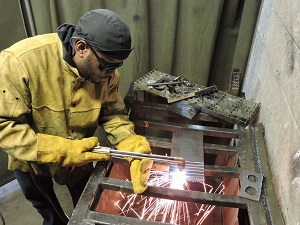
Flux-cored arc welding is similar to MIG welding because both use equipment, continuous wire and power supplies. Like MIG welding, this type of arc welding can use a shielding gas. However, some weld operators choose not to use a shielding gas with flux-cored welding.
Weld operators unite a continuous electrode with a base metal. The electrode is a hollow tube filled with flux that is fed through the weld gun and into the weld pool. A flux shield offers protection against the wind when operators are welding outdoors. Some benefits can include:
- High productivity
- Excellent weld appearance
- Ideal for welding ferrous metals
Interested in Learning the Welding Trade?
Think welding could be a good fit for you? Take your interest to the next level by learning more about our Combination Welding Technology program at Apex Technical School. Explore the classes we offer or contact us with your questions today.
Professional Writing for Trade School Students | Apex
Do you need to know how to write a professional email when you go to trade school? Most of us have written a casual email to friends, family or someone we know well. But when it comes to writing an email to your boss, instructor or someone you don’t know, you may choose to write a formal email.
Professional writing skills can benefit you in trade school and beyond. Follow the tips below to learn about the parts of a formal email and how to write one yourself.
Professional Email Format
Formal emails show respect and usually look different than casual emails. While a casual email may resemble a quick text message with a care-free tone, a formal email often contain several professional elements:
- Subject line
- Greeting (e.g. “Dear Mr. Smith” or “To Whom It May Concern”)
- Your message
- Closing (e.g. “I look forward to speaking with you.”)
- Signature
A subject line summarizes the goal of your message. Your message can be a few sentences or multiple paragraphs. It depends on what you want to say. It’s important to use your signature to identify your full name and other relevant information, such as your phone number and where you work or attend school. Contact information in your signature lets the reader know who you are and how to contact you offline. For example:
Sincerely,
Brian Jones
Assistant Mechanic
A&B Auto Repair Shop
555-666-7777
Steps for Writing a Professional Email
A professional email signals to the recipient that you value them and their time. It’s a good idea to write a formal email in the workplace or school environment. Professional writing only take a little more time, and it can help create mutual respect between you and the person who receives your email. Follow these five steps to learn how to write a professional email.
- Identify your goal.
Think about why you are writing this email. Do you want to ask about job openings? Are you submitting homework or questions to your instructor? Need help with distance learning? Consider what you want to ask the recipient to do for you or information you want to make the recipient aware of.
- Think about your audience.
If you write to someone you have never met, use a polished tone and refrain from jokes or emojis. However, if you need to email another student in your class, you might want to use a friendly tone.
- Write your message.
Be sure to include relevant information and keep your message brief. Politely and professionally let the recipient know what you need, why you need it and when you would like to receive their response. Short, simple sentences help keep your email to the point and easy to read.
- Proofread before you send.
Always read your emails before sending them. You may realize you made a mistake or left out important information. Double check your spelling, especially the recipient’s first and last name. Make sure you haven’t forgotten to attach important documents or links.
- Follow up.
About 269 billion emails were sent and received each day in 2017. That number is expected to grow to 320 billion daily emails by 2021, according to Statista . Some people may receive hundreds of emails a day. If you don’t get a timely response, send a friendly follow-up email. They could have simply missed your email or forgot to respond.
Are you interested in learning hands-on skills in a trade you’re passionate about? Use these email writing tips to contact us today and find out more about Apex Technical School.

Video Classroom Tips for Online Learning Success | Apex
Online trade school classes require students to log in to a virtual classroom away from others, usually at home or another location off campus. Virtual classrooms appear in a video conference setting and allow students to attend class online from their computers. As you transition to online learning, you may be wondering what to expect or if you are doing it right. Here are a few tips for online learning success.
Get Dressed
You may be distance learning from the comfort of your home. However, it is still important to maintain a routine as if you were physically going to school. Put your best foot forward before you log in to your online classroom. Brush your teeth, comb your hair and get dressed. You don’t need to dress to impress—but a clean shirt signals to your classmates and instructors that you are ready to learn.
Position Your Camera
Once you log in to your virtual classroom, make sure your camera is positioned properly. Do you need to move your chair closer to your computer? Can instructors and peers see your face? Is there a smudge on your camera lens? Quickly address any issues to ensure you can comfortably and clearly look into the camera at eye level.
Mute Your Microphone
Background noise is distracting to others in an online classroom. Your environment may seem quiet to you, but an unexpected garbage truck on the street or rustling papers close to your microphone can create noisy interruptions. Be sure to mute your microphone to eliminate sudden sounds. Looking for more tips for online learning success? Learn how to study at home .
Limit Distractions
Like noisy interruptions, distractions take your mind off learning—and it can be difficult to regain focus. Remove possible distractions by planning ahead. If you know your child watches a TV show at 10 AM, sit in another room. Close windows that would allow noise from neighbors or nearby streets to disrupt you. Leave your phone in another room while you attend online trade school classes.
Avoid Multi-Tasking
A successful online learning strategy includes focusing your mind on the topic your instructor is teaching. Don’t try to accomplish too many tasks at once. Some students like to take notes during class—this is a good idea because it helps your brain remember new information, and it keeps you focused during class. However, prevent yourself from answering texts, writing emails or browsing social media. These tasks and activities can wait until after class.
Prepare Your Materials in Advance
As you continue transitioning to online learning, you may have the opportunity to share comments or ask questions during online class. Make sure you are prepared in advance. Keep your notes nearby and jot down any questions you have for your instructor. Every successful online learning strategy includes preparation and focus. By following these tips for online learning success, you can put your best foot forward in your online trade school classes.

