






Apex Insider
Questions Homeowners Ask About HVAC Systems
When an HVAC system works, most homeowners don’t think twice about it. When it doesn’t work, they may have many questions about heating and cooling units, energy efficiency and repairs.
Key Highlights
Home Heating and Cooling FAQs
When an HVAC system works, most homeowners don’t think twice about it. When it doesn’t work, they may have many questions about heating and cooling units, energy efficiency and repairs. Here are some questions homeowners might ask when they are considering repair or replacement or trying to learn more about their major home appliances.
What is the HVAC system?
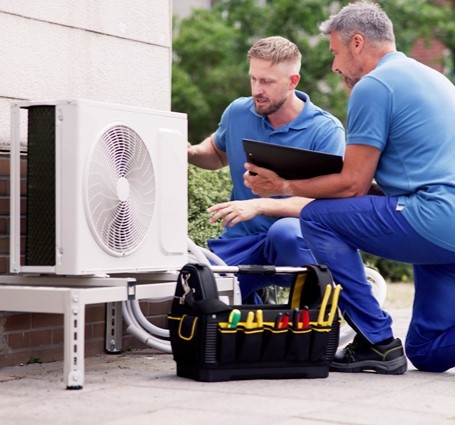
First-time homeowners may be unfamiliar with HVAC systems and might ask individuals in the HVAC trade questions about their purpose and how they work. HVAC stands for heating, ventilating and air conditioning, and they provide heating and cooling for indoor comfort. Air conditioning systems have one unit inside the residence that absorbs heat from the home’s air and one outdoor unit that empties that absorbed heat outside.
Does a larger HVAC system offer better performance?
Some people may wonder if a bigger HVAC system is better than a smaller model. After all, bigger is better—right? According to individuals in the HVAC trade , the answer is no. An HVAC system that is too large for the size of your home uses too much energy. Overly large systems are less efficient and cost more money to run than properly sized units.
Because large HVAC systems require more energy to start up, they may short cycle or turn off and on many times. The result is wasted energy, higher electric bills and lower comfort levels in the home.
How often should I change my filters?
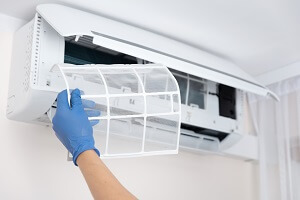
Don’t forget about regular HVAC maintenance. To keep your air conditioner and furnace running smoothly and your energy bills low, replace the air filter on a routine basis. Individuals in the HVAC trade recommend replacing your filter every 90 days. However, there are a few additional factors you may want to consider.
If you have a pet in the home, such as a dog or cat, replace your filter every 30–60 days. Some pets shed more when the seasons change. Consider installing filter replacements in the fall and spring. If someone in the home suffers from asthma or allergies, replace the filter every 20–45 days.
How long do HVAC systems last?
Different types of air conditioners and furnaces have different life expectancies. Typically, the average lifespan is 10–20 years. However, with regular HVAC maintenance, cleaning and refrigerant replacement, some HVAC systems may last up to 30 years. Life expectancies for a variety of HVAC types include:
- Air conditioners: 10 to 15 years
- Furnaces and boilers: 15 to 20 years
- Geothermal: 30 years
- Water heaters: 10 years
- Tankless water heaters: 20 years
How do you know if your HVAC system is going bad?
Your HVAC system can experience troubling symptoms, indicating it might be time for repair or replacement.
- Unusual smells
Bad odors in your home could indicate motor or wiring problems inside your HVAC system. If the air smells stale or burnt, let the system run for 30 minutes. If the smell persists, call an HVAC specialist. If the air smells moldy, your system may not be draining moisture properly. Schedule a maintenance checkup before drainage issues result in rust build up or health problems.
- Slow air flow
Dirty air filters can cause slow or restricted air flow. If changing the filter doesn’t return the air flow level to normal, call an HVAC professional. Long-term restricted air flow can cause compressor failure.
- Thermostat problems
The temperature in your home should feel like the temperature reading on the thermostat. When your thermostat reading doesn’t match the temperature in the home, there is likely an issue with your HVAC unit. If your thermostat says 68 degrees but your home feels like 80 degrees, it’s time to schedule a repair.
- Noises
Loud or strange noises indicate problems in an HVAC system. Some homeowners report mysterious rattling, whirring, buzzing or clicking sounds coming from their units. Noises may be a symptom of the following issues and should be handled quickly:
- Refrigerant leaks
- Loose mechanisms
- Clogs
- Compressor failure
- Broken fan
Why is my air conditioner running but not cooling my home?
Inadequate air flow is the most common cause of inadequate cooling. When the HVAC system cannot pull air into the system, it cannot recirculate cooled air back into the home. A dirty air filter is often to blame for an air conditioner that doesn’t cool the home.
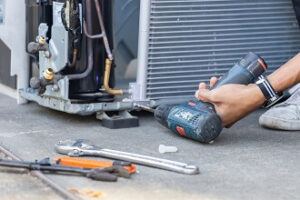
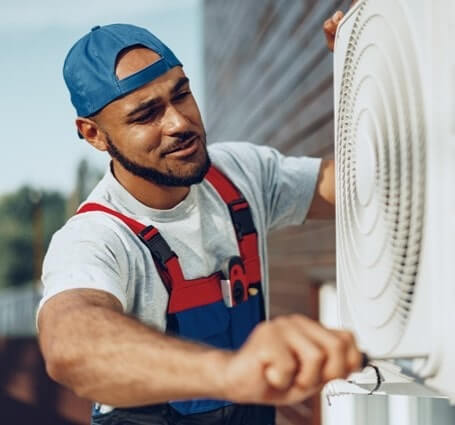
If this doesn’t solve the problem, check to see if the outdoor unit is covered in dirt, debris or grass. Clean it with a garden hose on a gentle setting. If the unit still doesn’t cool the home, it’s time to call an individual who works in the HVAC trade who can identify and fix the problem.
Interested in learning if an HVAC career path is right for you? Check out this blog postor contact us to learn more about the Air Conditioning and Refrigeration programat Apex.
Next classes
Classes start every month
Day and evening classes at our Long Island City and Midtown Manhattan campuses. Talk to admissions to save your seat.
On this page
Apex Technical School
Ready to start your career?
Day and evening classes start throughout the year at both campuses.
Apply nowOr call 212-645-3300





Frequently Asked Questions
Is a bigger HVAC system better for my home?


How often should I change my HVAC air filter?
How long do air conditioners and furnaces last?
What are the signs my HVAC system is going bad?
Why is my air conditioner running but not cooling the house?
Contact us
Fill out the form to get started.

