






Apex Insider
Learning Car Repair for Older Cars
The more you use something, the quicker it wears out and needs repairing. Over time, a driver may put thousands of miles on an engine, which rotates 180,000 times per hour.
Key Highlights
The more you use something, the quicker it wears out and needs repairing. Over time, a driver may put thousands of miles on an engine, which rotates 180,000 times per hour. In addition to the engine, a car’s wheels and bearings also rotate millions of times during their lifespan. But usage isn’t the only factor to consider as a car ages—weather also plays a role. Oxygen, sunlight and moisture break down the plastic and metal that make up the pieces and parts on a car.
With so many aging cars on the roads, it’s important to know about common problems with an old car, as well as when to seek car maintenance. As a trade school student or someone who is interested in car maintenance, you can test your knowledge about car repair below.
Diagnosing Electrical Problems
A maze of wires, fuses and other electrical components lives under the hood of a vehicle. These electrical elements ensure the car runs smoothly and reliably, but they can also have trouble operating as the car, truck or SUV experiences wear and tear over time. Diagnosing electrical problems requires someone who is skilled and qualified in the automotive trade and has the knowledge to safely repair or replace components such as:
- Dead battery
- Bad alternator
- Bad starter
- Corroded or loose battery cable
- Blown electrical fuses
- Failed spark plugs
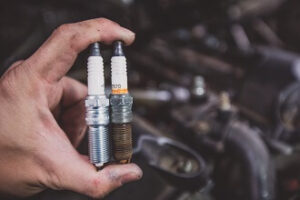
A Dead Battery
The typical car battery lasts about three years or 50,000 miles. Car batteries die when their amps or electrical currents naturally decrease over time. When this happens, the battery can’t hold a charge. As a car ages, so does the battery. Car batteries should be replaced every 50,000 miles or three years as a preventive measure—even if they don’t show signs of damage. A bad alternator or temperature sensor could also shorten the life of a car battery. Always address these issues when they occur or take the car to a person experienced in the automotive trade.
Grinding or Squeaking Brakes
Like a battery, brakes are intended to wear out after a specified period of use. Old cars may go through multiple brakes over their lifespan. As they are critical for slowing and stopping, brakes should be replaced immediately when they begin to wear out. Squeaking, grinding or a soft brake pedal indicate an issue with a car’s brakes. They should be inspected by a qualified individual skilled in the auto trade.
Related:5 Auto Repair Questions and Answers
Brittle, Cracked Gaskets
Gaskets in the engine can become brittle and crack with long-term, normal exposure to oxygen. Because gaskets seal fluids, once they crack, they allow fluids to leak out onto the road, driveway or garage floor. Gaskets can be found around the engine, transmission and differentials. A person skilled in automotive repair can evaluate and replace old, worn gaskets.
Rusted or Chipped Paint
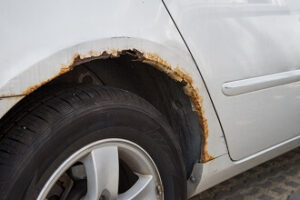
Similarly, weatherstripping designed to keep moisture out of the vehicle can begin to dry out and crack with age. This can cause rain water to enter into crevices, which leads to rust. Sunlight also fades and weakens paint on already old cars. Paint protects metal cars from the elements—but when it becomes weak, it chips off and exposes the metal beneath.
Vehicles with chipping paint tend to rust quickly because the protective barrier is gone. However, individuals skilled in auto body repair can take steps to apply new paint. They can even use a computerized system to match the original paint color.
The Importance of Regular Car Maintenance
Common problems with old cars should be addressed right away. When they are, it’s possible to extend the lifespan and safety of the vehicle. If you have a passion for cars and vehicle repair, consider pursuing a path in automotive or auto body repair. Apex Technical School offers hands-on training for an entry-level position in the field. Learn more about our program by exploring the courses we offer today.
Next classes
Classes start every month
Day and evening classes at our Long Island City and Midtown Manhattan campuses. Talk to admissions to save your seat.
On this page
Apex Technical School
Ready to start your career?
Day and evening classes start throughout the year at both campuses.
Apply nowOr call 212-645-3300






Frequently Asked Questions
What are common electrical problems in older cars?


How often should a car battery be replaced?
What do grinding or squeaking brakes mean on an older car?
Why does chipped paint lead to rust on old cars?
Where can I learn auto repair in New York City?
Contact us
Fill out the form to get started.

