






Welding is performed in a variety of industries and trades. Some tradesmen and women in the auto body and automotive industries rely on welding to fuse together car parts. Clean, strong welds are an important part of auto body work because they improve a vehicle’s appearance and reliability. Interested in the field of auto body repair? Keep reading to learn more about welding on cars.
What is automotive welding?
Auto body technicians use a variety of automotive welding techniques to complete structural repairs on various vehicles and equipment. They may also design a metal component to improve an existing structure. The most common welding methods for automotive jobs include resistance metal inert gas (MIG) welding, plasma arc welding (PAW) and tungsten inert gas (TIG) welding.
Learn more about MIG Welding and Other Common Welding Types.
How does a technician use auto repair welding?
An auto body technician may use different techniques and welding tools to complete individual jobs. Some auto body technicians may use welding to fix cracked vehicle panels, damaged fenders, welding exhaust on cars or rusted metal. Some job duties could include:
- Perform structural repair on vehicles (e.g. repair cracks)
- Fabricate metal components
- Improve structural design and integrity
- Interpret factory diagrams
- Understand blueprints and sketches
- Comply with safety regulations
What types of welding tools are used for auto body repair welding?
In general, welding is a tool-intensive trade. Auto body welders need the right welding tools and safety equipmentto perform the task at hand. Hands-on classes at Apex give students the opportunity to work with tools and put theory into practice. Some auto body welding essentials include:
- Welder
- Welding helmet or goggles
- Gloves
- Hearing protection
- Welding curtains
- Welding clamps

What are some examples of automotive welding?
There are many ways to use welding on cars to repair collision damage or damage due to age. Here are some welding applications for vehicles:
- Vehicle Frame or Fender Welding – Vehicle frames and fenders become bent or damages in collisions. A technician may need to cut out the warped piece of metal and replace it with a new piece. He or she can use automotive welding to adhere the new piece of metal and repair the car’s frame or fender safely.
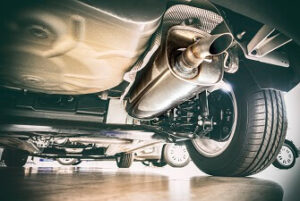
- Welding Exhaust on a Car – Exhaust systems can rust and develop holes due to age, moisture and constant use. Some auto body technicians can cut the exhaust pipe, clamp the pieces, apply spot welding and complete the weld.
- Wheel Welding – This type of welding on cars is helpful to repair wheels damaged by potholes, which often crack metal wheel frames. Some auto body welders can repair the wheel frame using a TIG welder.
Learn More About Automotive Welding at Apex
Welding is not only a valuable trade, but also a useful skill for an auto body technician who wants to pursue working in auto body repair or automotive mechanics. Are you interested in learning more about the Combination Welding Technology program at Apex? Explore our program to find out more about our welding classes.
LEARN ABOUT THE WELDING PROGRAM


