Individuals who work in the electrical field often enjoy a hands-on experience on the job. Electricians require practical skills, the ability to work alone or with others and a passion for problem-solving. The working environment for an electrician may be in a large commercial building or a small corner in a residential home. No matter where electricians apply their skills and knowledge, they should understand and follow electrical worker safety standards.
Electrical safety is critical, whether you’re an electrical student starting training classes or you’ve been working in the electrical field for decades. Safe protocols and gear can protect people, property and things from dangers such as burns, sparks and electrical fires. Explore some electrical safety tips and keep these top-of-mind when you’re handing electrical wiring.
Assess the Work Setting
When an electrician arrives on a jobsite, he or she should pause and gain an understanding of the environment. Where is the electrical box? Are there current dangers, such as smoke or water near electrical currents? If the situation is not an emergency, are there any potential hazards? Incorrectly installed equipment may not be immediately noticeable. Take a few moments to look over the work setting and prepare yourself for the job at hand.
Equip Yourself with Safety Gear
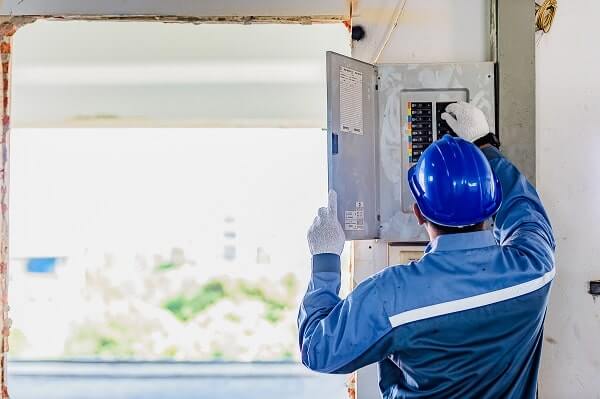
Safety gear is one of the most important parts of staying safe in the workplace. It’s a good idea to keep all your electrical safety gear with you when you travel to jobsites so you aren’t putting yourself at risk. Items like insulated gloves protect your hands from electrical currents, while protective eyewear keeps your vision safe from sparks.
If you are working on a construction project with the potential for falling debris, don’t forget to wear a hard hat to ward off injuries from heavy or sharp objects. Some individuals wear flame-retardant clothing that covers your arms and legs. In the event that an electrical spark starts a fire near you, fire-retardant clothing can keep your skin protected from burns.
Related: Is the Electrical Trade the Path for You?
Use a Multimeter to Test Wires
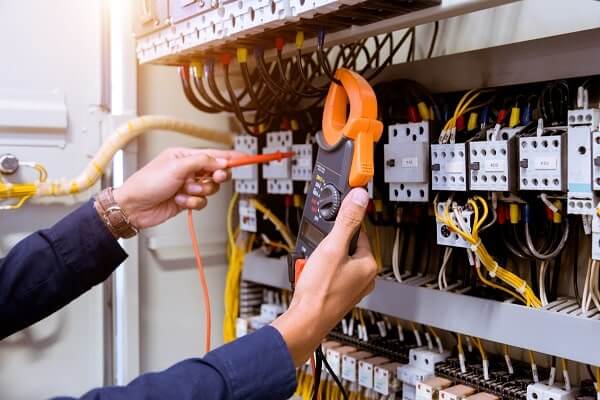
A multimeter is a handheld electrical tool used to test voltage, resistance and current. This tool may be standard in the electrical trade, but it is important for testing to see if a wire is safe. If the multimeter determines the component is weak enough, you can safely handle or touch the wire during the repair job. Always use a multimeter to test wires; other tools like screwdrivers or wrenches should not be used to check potentially live components.
Electrical safety is the first rule of working in the electrical trade. With electrician training, you can help keep your work environment safe and productive. Learn more about the Electrical & Advanced Electrical program at Apex Technical School. Classes are starting soon!
EXPLORE THE ELECTRICAL PROGRAM