






Apex Insider
Do You Know HVAC Safety?
Heating, ventilation and air conditioning (HVAC) technicians often enjoy a rewarding and hands-on trade .
Key Highlights
Heating, ventilation and air conditioning (HVAC) technicians often enjoy a rewarding and hands-on trade . These technicians require practical skills, problem-solving abilities and a passion for technical knowledge about heating, A/C and refrigeration equipment.
Individuals working in this trade should also understand HVAC safety standards. Whether you’re an HVAC student starting training classes, or you’ve been working in the field for years, you can find ways to protect yourself and others from potential hazards. Here are some HVAC safety tips to improve day-to-day operations:
Assess the situation
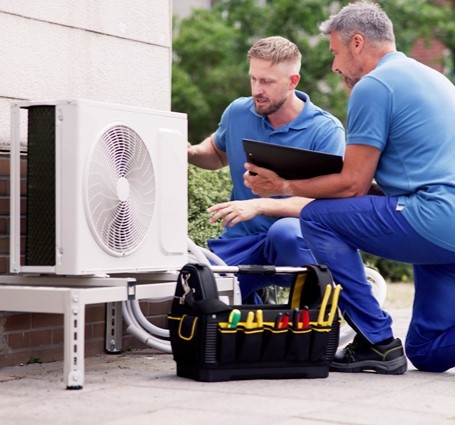
When an HVAC technician arrives at a jobsite, he or she should look around to understand the environment. Where is the HVAC equipmentlocated? How many exits are there? What potential accidents or hazards might be present? Every jobsite is unique, and it’s crucial to evaluate the scene before getting to work. By pausing to reflect on the work setting, HVAC technicians give themselves valuable time to remember HVAC safety tips and act on them.
Wear safety gear
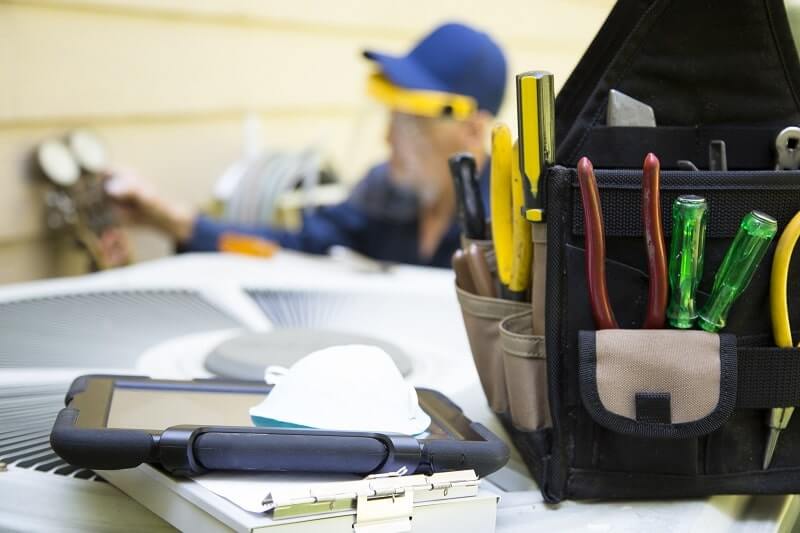
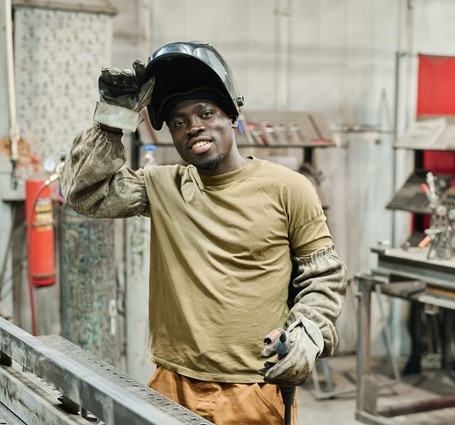
In addition to assessing the workspace, HVAC technicians should also ensure that they protect their body from potential accidents, chemical spills, electrical hazards and falls. Some individuals in the HVAC trade wear durable clothes to ensure the skin on their arms and legs doesn’t come into contact with sharp metal edges on air conditioners, heating systems or ventilation shafts. Gloves, protective eyewear and masks can also help increase safety for HVAC workers.
Related:Questions Homeowners Ask About HVAC Systems
Handle equipment properly
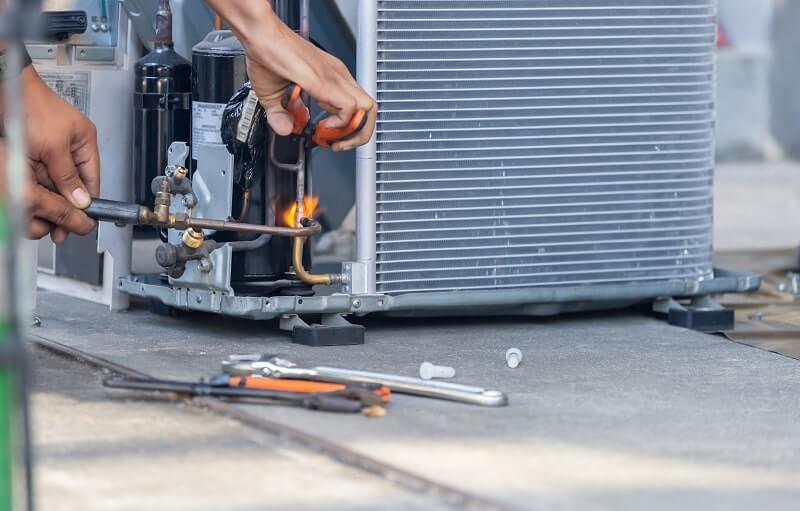
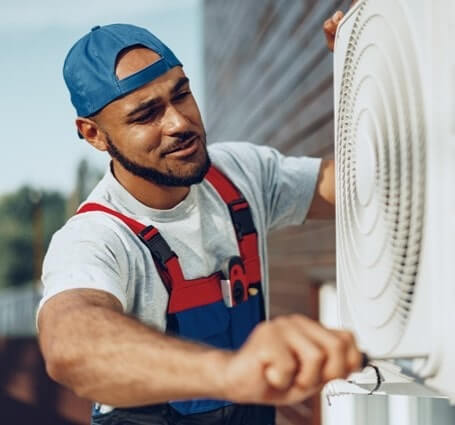
While assessing a job, HVAC technicians can determine what types of heating or cooling appliances are present and what tools or equipment they need to inspect and repair issues. Therefore, knowledge about trade tools is key. In combination with HVAC historyand theory, individuals learn hands-on skills in trade school, where they have the opportunity to handle HVAC service tech tools in a shop setting with experienced instructors. This is valuable training for entry-level employment and can go a long way in maintaining HVAC safety standards in the field.
Learn HVAC Safety in Trade School
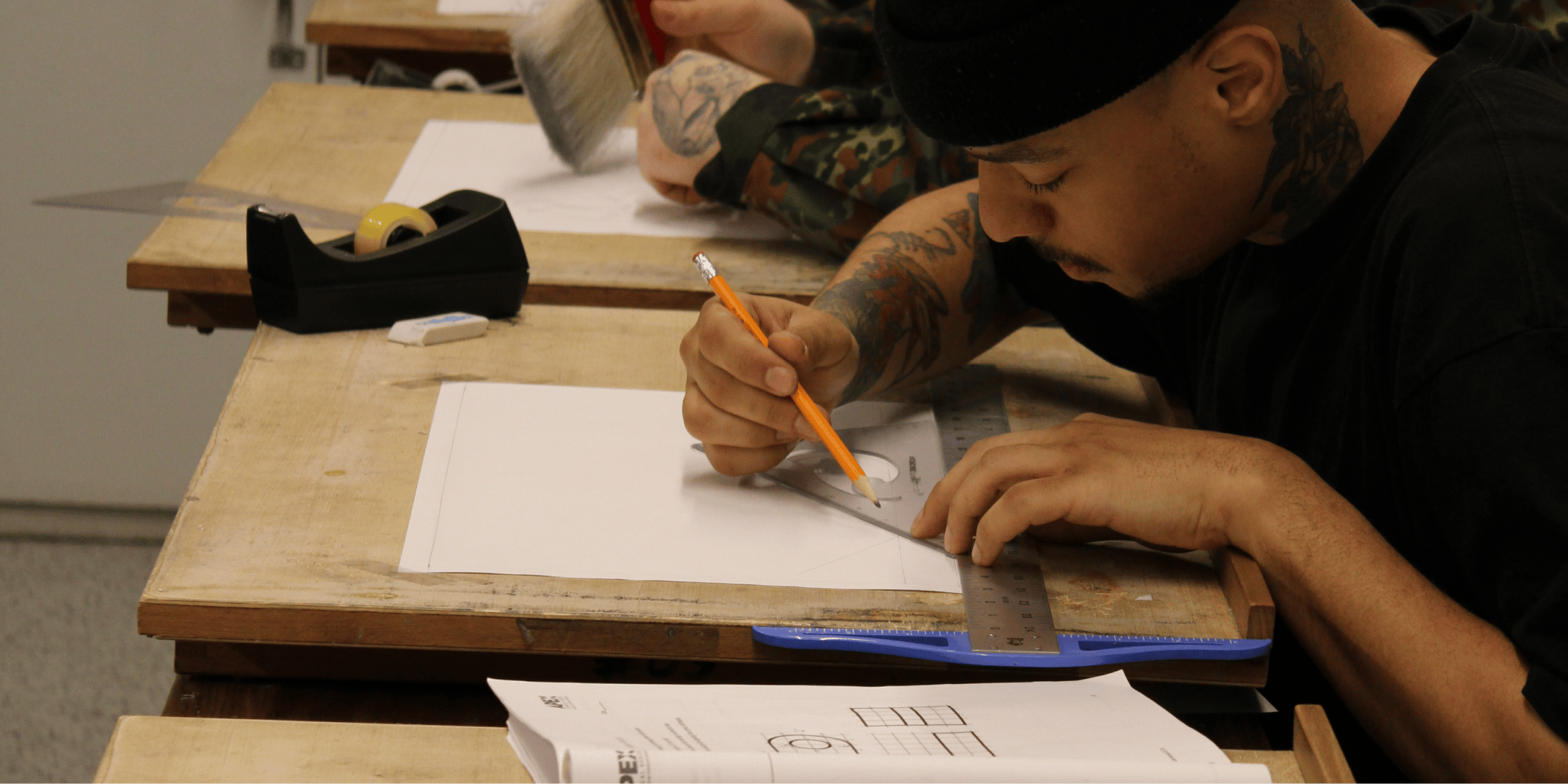
Do you have a passion for working with your hands? If you enjoy problem-solving and have an interest in heating and cooling repair, learn more about the A/C Refrigeration Program at Apex Technical School. Classes are starting soon, and our Admissions team is scheduling appointments to help answer your questions.
Next classes
Classes start every month
Day and evening classes at our Long Island City and Midtown Manhattan campuses. Talk to admissions to save your seat.
On this page
Apex Technical School
Ready to start your career?
Day and evening classes start throughout the year at both campuses.
Apply nowOr call 212-645-3300





Frequently Asked Questions
What should an HVAC technician do first when arriving at a jobsite?


What safety gear do HVAC technicians wear?
Why does knowing your tools matter for HVAC safety?
Can you learn HVAC safety in trade school?
Who is a good fit for HVAC training at Apex?
Contact us
Fill out the form to get started.

