




Apex Insider
A Day in the Life of a Refrigeration and Air Conditioning Student
Tradesmen and women in the HVAC industry work on heating, cooling and ventilation systems day in and day out. Typically, people who pursue the heating and cooling trade enjoy learning how things work.
Key Highlights
Tradesmen and women in the HVAC industry work on heating, cooling and ventilation systems day in and day out. Typically, people who pursue the heating and cooling trade enjoy learning how things work. They may have a natural passion for troubleshooting and feel a sense of achievement for a job well done.
Many beginners wonder if the field is a good fit. They also wonder what a typical day is like in trade school for HVAC students. At Apex, students can expect to be taught skills and training for an entry-level position. Here are a few more things you can expect when you’re an HVAC student.
HVAC Students Study the Basics
An average day for an HVAC student begins with basic skills and theories. Students start with electrical concepts and theories used in the industry. Lessons cover a range of subjects, such as:
- Voltage circuits controls
- Wiring diagrams
- Residential and commercial units
As students learn, they build upon their technical skills and knowledge. In addition to basic electricity, students are taught the fundamentals of refrigeration. Refrigerant is used in many types of cooling and heating units to help transfer heat. Students are taught about refrigerant as well as:
- Temperature (Celsius and Fahrenheit)
- Humidity
- Heat flow and heat transfer
- Pressure and refrigeration cycle
Students spend time in both the classroom and a shop setting.
Learn to Evaluate Work Sites
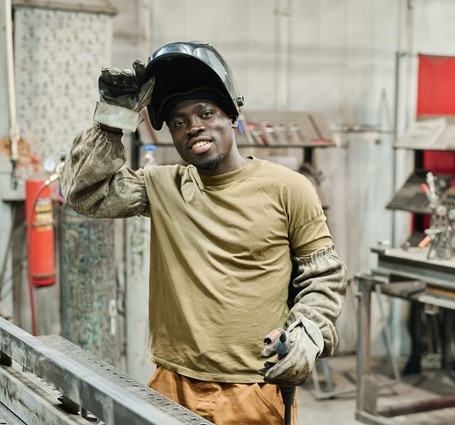
Refrigeration and cooling students at Apex Technical School spend time in the shop where they are taught a wide variety of safety measures and industry practices. Students are taught about the shop environment, equipment and basic skills required of HVAC technicians to service refrigerators, freezers and air conditioners.
Students learn about safety rules and dangers to watch out for, including:
- Electrical risks
- Chemical hazards
- Equipment temperature
- Slippery surfaces
- Proper tool use
Avoiding accidents is necessary to keep yourself and others safe and unharmed in the work environment.
Work on Residential and Commercial Appliances
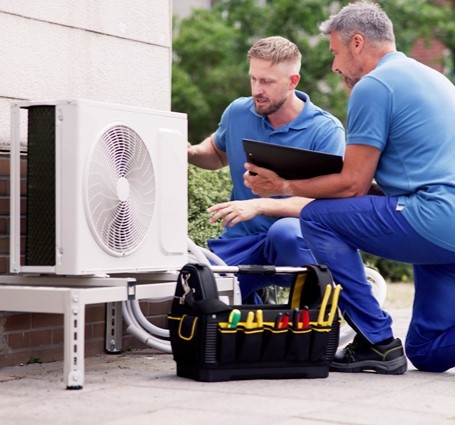
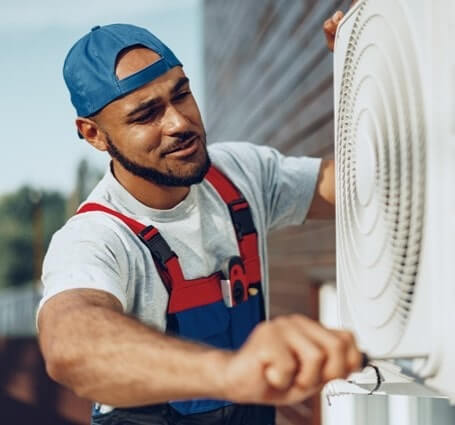
Refrigerators, freezers and air conditioners are widely used in areas such as residential homes, office buildings, schools, restaurants and other commercial establishments. Students in HVAC school are taught how to apply electrical and refrigeration theory by working hands-on with appliances in the shop. Instructors help students use tools and diagrams necessary for some hands-on installations and repairs.
Students also spend a portion of their day working next to other students. This helps reinforce a teamwork mindset and provides opportunity for collaboration and peer support. Knowing how to work independently and with others is often a sign of a productive, dedicated tradesperson—and many entry-level employers seek out employees who can work collaboratively.
Discover more about the air conditioning and refrigeration program when you schedule a tour online.
Want to learn more about electrical? Explore the Electrical program at Apex.
Next classes
Classes start every month
Day and evening classes at our Long Island City and Midtown Manhattan campuses. Talk to admissions to save your seat.
On this page
Apex Technical School
Ready to start your career?
Day and evening classes start throughout the year at both campuses.
Apply nowOr call 212-645-3300



Frequently Asked Questions
What does a typical day look like for an HVAC student?


What refrigeration basics do HVAC students learn?
What safety hazards do HVAC students learn about?
Do HVAC students work on residential and commercial equipment?
Where can I train in air conditioning and refrigeration in NYC?
Contact us
Fill out the form to get started.

