






Apex Insider
Why Choose Energy-Efficient Heating & Cooling
Energy efficient heating and cooling options transform homes and businesses by increasing comfort and usability. Efficiencies in heating, cooling and ventilating can also help save on energy costs and fight global warming by reducing harmful emissions. Therefore, it’s important to understand energy-efficient heating and cooling equipment.
Key Highlights
Energy efficient heating and cooling options transform homes and businesses by increasing comfort and usability. Efficiencies in heating, cooling and ventilating can also help save on energy costs and fight global warming by reducing harmful emissions. Therefore, it’s important to understand energy-efficient heating and cooling equipment.
What Is an Energy-Efficient HVAC System
According to Energy Star, an Energy Efficiency Rating (EER) helps individuals “identify and purchase energy-efficient products that offer savings on energy bills without sacrificing performance, features and comfort.” A heating or cooling system with an Energy Star label also helps reduce greenhouse gas emissions caused by inefficient uses of energy in homes and businesses.
Due to innovative energy-saving technologies, there are more energy-efficient heating and cooling systems than ever, including:
- Air-source heat pumps
- Boilers
- Central air conditioners
- Commercial boilers
- Ductless heating and cooling
- High-efficiency furnaces
- Geothermal heat pumps
- Light commercial heating & cooling
- Room air conditioners
- Smart thermostats
- Ventilation fans
Per Energy Star, an energy-efficient HVAC system is one of the most effective ways homeowners and commercial businesses can decrease overall energy consumption.
Maintaining Energy-Efficient Heating and Cooling Systems
According to the Alliance to Save Energy, proper installation and continued regular maintenance are key for energy-efficient heating and cooling. In fact, “this includes appliances such as furnaces and air conditioners, but also auxiliary equipment like ductwork, which can be a significant source of wasted energy.”
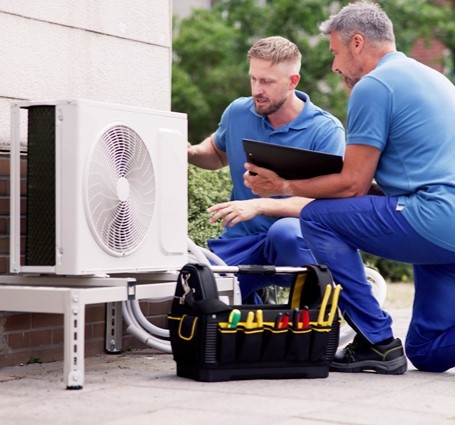
Twice yearly maintenance by a technician prevents problems and ensures an HVAC system is running smoothly, including the following Energy Star-recommended checkups.
High-Efficiency Furnaces
- Check gas connections, gas pressure, burner combustion and the heat exchanger.
- Inspect the flue piping for rusting or discoloration.
Cooling Systems
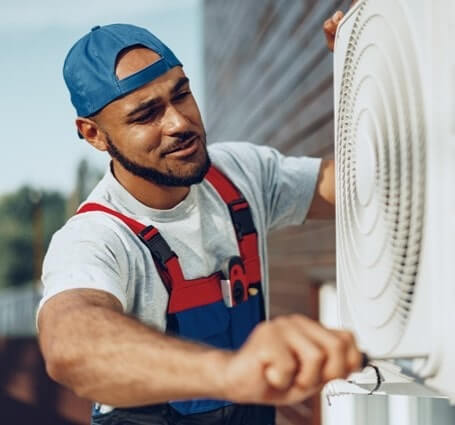
- Clean coils before warm weather returns. Dirty coils can decrease energy efficiency and shorten the lifespan of the equipment.
- Ensure proper airflow by cleaning and adjusting blower components.
- Check and adjust the A/C refrigerant charge, which can damage the compressor and increase energy costs if levels remain too high or low.
Overall Maintenance
- Change the air filter every three months.
- Tune up energy-efficient HVAC equipment in the spring and fall.
Energy-efficient heating and cooling systems allow people to cool and heat their homes without wasting energy and costs. As a result, more homeowners and building managers are decreasing energy consumption by installing high-efficiency furnaces and cooling systems.
*Apex Technical School and its instructors are licensed by the New York State Education Department.
Disclaimer: Apex Technical School provides training for entry-level jobs. Not everything you may read about the industry is covered in our training programs.
Next classes
Classes start every month
Day and evening classes at our Long Island City and Midtown Manhattan campuses. Talk to admissions to save your seat.
On this page
Apex Technical School
Ready to start your career?
Day and evening classes start throughout the year at both campuses.
Apply nowOr call 212-645-3300






Frequently Asked Questions
What makes an HVAC system energy efficient?


What types of energy-efficient heating and cooling equipment are available?
How often should an energy-efficient HVAC system be serviced?
What does a technician check during furnace and A/C maintenance?
Where can I learn to install and maintain heating and cooling systems?
Contact us
Fill out the form to get started.

