





Apex Insider
Why Hands-On Learning Is Important for Entry-Level Trade Jobs
Practical, hands-on skills are important in many industries, and workers who demonstrate these skills contribute to a healthy economy.
Key Highlights
Practical, hands-on skills are important in many industries, and workers who demonstrate these skills contribute to a healthy economy. While millions of Americans work behind a desk, there are countless Americans who enjoy actively working with their hands and using their technical expertise.
However, arecent analysisfrom PeopleReady found that there is a skilled trades shortage in America. The shortage is occurring as millions of Baby Boomers retire and leave the workforce. The good news? Some students are choosing trade school instead of traditional two-year or four-year college. By choosing trade school—which can often be completed in as few as 7 months—students can get the hands-on skills they need to enter the workforce faster.
Let’s examine a few reasons why a hands-on education at trade school can set up students for success in their chosen trade.
Problem-Solving Practice
Problem-solving means making choices. And trade workers must make many choices on the job each day. Safety, proper techniques, maintenance and installation approaches all contribute to a tradesperson’s responsibilities. If you enter a trade you’re passionate about, you’ll want to be a strong problem-solver.
Hands-on training can be a key way to become a strong problem-solver because it gives you the opportunity to practice making decisions in the classroom or shop setting so you feel confident and prepared when you start your career. For example, a student in theElectrical & Advanced Electrical programmay have to decide what type of wiring is needed to repair a broken fixture. Working hands-on in the shop gives students the opportunity to determine the best way to solve electrical problems.
Related:6 Benefits of Trade School
Mentorship Opportunities
In addition to problem-solving practice, hands-on learning provides students with opportunities to learn alongside experienced instructors. As knowledge keepers, instructors at Apex are dedicated to helping students gain technical skills and expand their passion for their chosen trade. Students learn the theory, or the “why,” behind their trade in the classroom. Instructors also mentor students in the shop where theory is put into practice.
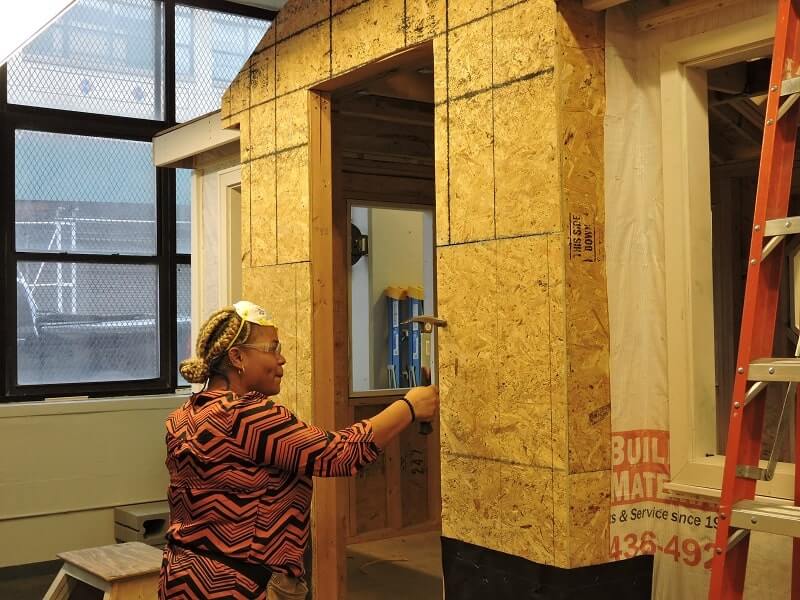
Students in the Construction & Building Skills program , for example, work with instructors to construct a model house, learning how to frame walls, install windows and more. Guidance from knowledgeable instructors increases students’ readiness to perform entry-level trade jobs in the field.
Safety Training
Safety preparation is one of the most important aspects of a job site, and it’s also one of the benefits that hands-on learning affords students in trade school. At Apex, students learn how to safely use tools, wear safety gear and collaborate carefully in work environments. From handling electrical components to practicing fire safety around welding materials and more, students at Apex get – experience in learning to stay safe on the job. This experience can help students stand out to employers who want safety-minded individuals on their jobsites.

Ready to learn more about trade programs and hands-on education at Apex Technical School? Contact us today to start the conversation.
Next classes
Classes start every month
Day and evening classes at our Long Island City and Midtown Manhattan campuses. Talk to admissions to save your seat.
On this page
Apex Technical School
Ready to start your career?
Day and evening classes start throughout the year at both campuses.
Apply nowOr call 212-645-3300







Frequently Asked Questions
Why is hands-on training important for trade jobs?


Is there a shortage of skilled trade workers?
How does hands-on learning build problem-solving skills?
Do trade school students get mentorship from instructors?
What safety training do trade students get at Apex?
Contact us
Fill out the form to get started.

