






Plumbing is nothing more than clogged drains and leaky pipes, right? Not exactly. Plumbing is more complicated than repairing a sink or toilet. Plumbers are skilled in their craft, with hours of hands-on training and diverse experiences. In fact, the plumber who answers a repair call in a neighborhood may not be the same type of plumber who installs new pipes in an office.
3 Differences Between Types of Plumbers
Some plumbers may specialize in residential plumbing (working in single family homes). Other plumbers may specialize in commercial plumbing (working in multifamily apartment buildings, offices or businesses). Each type of plumber should have training and history of the plumbing field; however, each may deal with unique tasks and apply their plumbing knowledge differently. Here are three ways that a commercial plumber may differ from a residential plumber.
Work Schedule
Work schedule is one of the first differences between commercial and residential plumbers. Plumbers who work in residential homes usually work a standard eight-hour work day, five days per week. They may be on call for weekend or after-hour emergencies, such as a burst pipe that floods a kitchen in the middle of the night.
Commercial plumbers, on the other hand, may have more after-hours work. This is because offices or public buildings tend to schedule installations and repairs outside of the traditional eight-to-five working hours, when their employees are at home and it’s easier for plumbers to turn off water access or work more efficiently. Commercial plumbers can also have a more fast-paced schedule than residential plumbers, since many people depend on their repairs or installations.
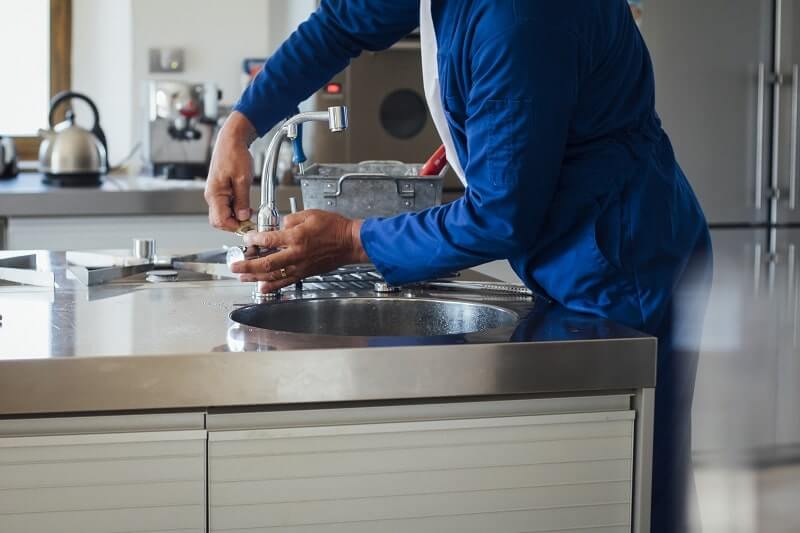
Environment
Residential plumbers can often expect to work in the same type of environment each day. Homes typically have several sinks, two or three toilets and a standard patchwork of pipes and drains. Residential plumbers may have to problem-solve to bring old systems up to code.
Commercial plumbers can face a variety of different environments on the job. The buildings where they work may have multiple floors with many sinks and toilets. Access to pipes may be more difficult, and installation work may take longer or be more complex than in a residential setting.
Related: The Benefits of Going to Trade School for Plumbing
Pipes and Fixtures
The size and durability of commercial pipes varies from residential pipes. Because numerous people need to access and use commercial plumbing in a large building or apartment complex, commercial pipes are more robust. Commercial offices or multifamily units may also use different types of toilets, such as water-saving toilets, to conserve on utilities while giving residents or employees access to modern or innovative fixtures.
Residential and commercial plumbing may also be subject to different codes and standards. Plumbers and pipefitters must follow building regulations and residential guidelines to ensure safety and compliance. At Apex, students learn about plumbing safety, as well as plumbing history and how to use common plumbing tools and techniques.

Find out more about what you can learn in our Plumbing & Pipefitting program now
EXPLORE PLUMBING & PIPEFITTING


