






Apex Insider
A Brief History of Plumbing Tools & Equipment
Did you know plumbing has been around for thousands of years? Ancient Egyptians built plumbing systems for their living—and even their dead.
Key Highlights
Did you know plumbing has been around for thousands of years? Ancient Egyptians built plumbing systems for their living—and even their dead. The Roman Empire further advanced the trade of plumbing with public toilets and baths. Today, plumbing is a necessity in residential and commercial buildings, and plumbers and pipefitters must have specific types of plumbing tools to install and maintain these valuable appliances. Let’s dive into the history of some of the tools that plumbers turn to for daily jobs.
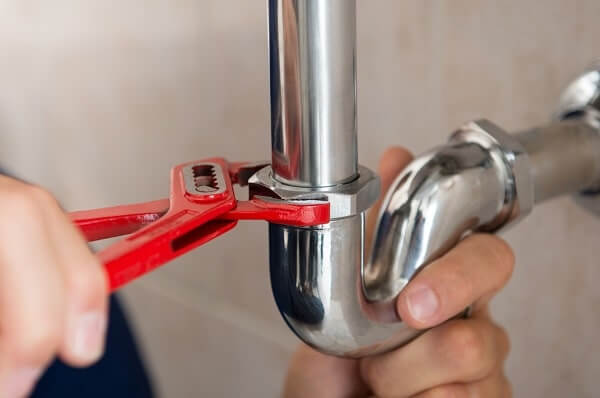
Wrenches
Without wrenches, plumbers would waste time. The advent of the wrench made it easier and more efficient for plumbers to finish jobs. Before wrenches, it was common for two plumbers to work on joining and unjoining pipes. Wrenches brought simplicity and individuality to plumbing.
- Pipe wrench
- The standard pipe wrench dates to 1869. It was invented by Daniel Stillson to help plumbers more easily attach two pipes or separate them. With an adjustable hook and jaw that closes around different sizes and styles of pipes, the pipe wrench is useful for installing toilets and other residential and commercial plumbing
- Adjustable wrench
- The first patent for the adjustable wrench was filed in 1891 by Johan Petter Johansson. Since then, plumbers have happily used the adjustable wrench to remove or tighten a nut. Though small in design, the adjustable wrench is still making a big impact in small spaces and is ideal for installing sink faucets.
- Spud wrench
- The first spud wrench design dates to the 16 th century! This type of wrench is best used for tightening bolts on steel structures. In the 20 th century, Thomas Maddock created his own version of the spud wrench to tighten and loosen specially designed toilet pipes called spuds. The spud wrench has a long, thin handle and is an ideal plumber’s tool for installing toilets.
Pipes
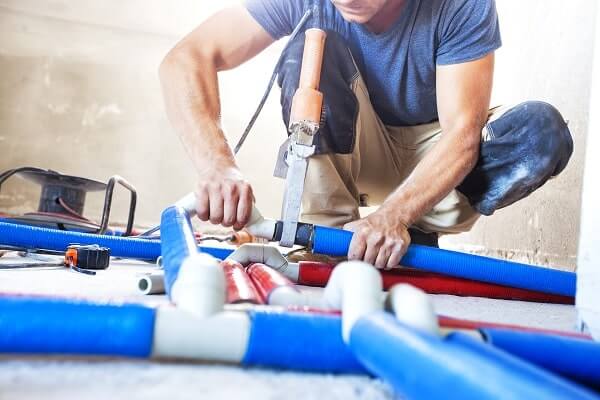
Pipes are an essential piece of equipment for any plumber—and have been important to the history of pipefitting since ancient times! Early pipe systems were made of clay, straw or bamboo that was baked and hardened. The history of pipefitting tools in plumbing has evolved dramatically, with some early pipe materials still in use today.
- Copper pipes
- The Egyptians invented copper pipes that revolutionized plumbing and water systems. Copper pipes have even been discovered inside pyramids, as the Egyptians wanted their pharaohs to be able to bathe in the afterlife. Metal pipes were popular in plumbing up until WWII, when metal became scarce. Today, copper pipes remain popular with many homeowners who like their corrosion-resistant properties.
- Lead pipes
- Lead pipes gained prominence during the Roman Empire when they were used for aqueducts that carried water to public baths, bathrooms, and crops. The Romans ultimately discovered that lead pipes were poisoning their water supply, which contributed to their civilization’s downfall.
- PVC pipes
- PVC, or polyvinyl chloride, pipes came onto the plumbing scene during WWII to replace metal pipes, such as copper, steel and iron. These metals had to be conserved for wartime efforts, and so plumbers increasingly turned to PVC pipes for a durable, long-lasting material. Modern commercial and residential buildings still commonly use PCV pipes for plumbing and water systems.
Related:Why Learning Plumbing Skills at a Trade School?
Augers
Nobody likes to see water backing up into their sink, toilet or bathtub. Fortunately, plumbers have a few tools in their arsenal to remove blockages—including some old and new favorites. Plumbing history isn’t complete without the snake.
- Plastic drain snake
- Gene Luoma invented the plastic drain snake and received a patent for the tool in 2000. He called his invention the Zip-It Drain Tool, which has a handle and finger grip, long flexible shaft and sharp barbs. The barbs collect hairs and debris that build up in household drains, eliminating the need to pour harsh chemicals down the drain. For over 22 years, the tool has helped plumbers and homeowners alike.
- Plumbing snake
- Invented in 1933 by Samuel Blanc, the plumbing snake is an electric tool that was flexible enough to go around pipes and dislodge material, such as tree roots or glass wool. Plumbers still use plumbing snakes today, especially at residential homes where trees grow by plumbing pipes that carry water to the sewer.
Explore the Plumbing Program at Apex
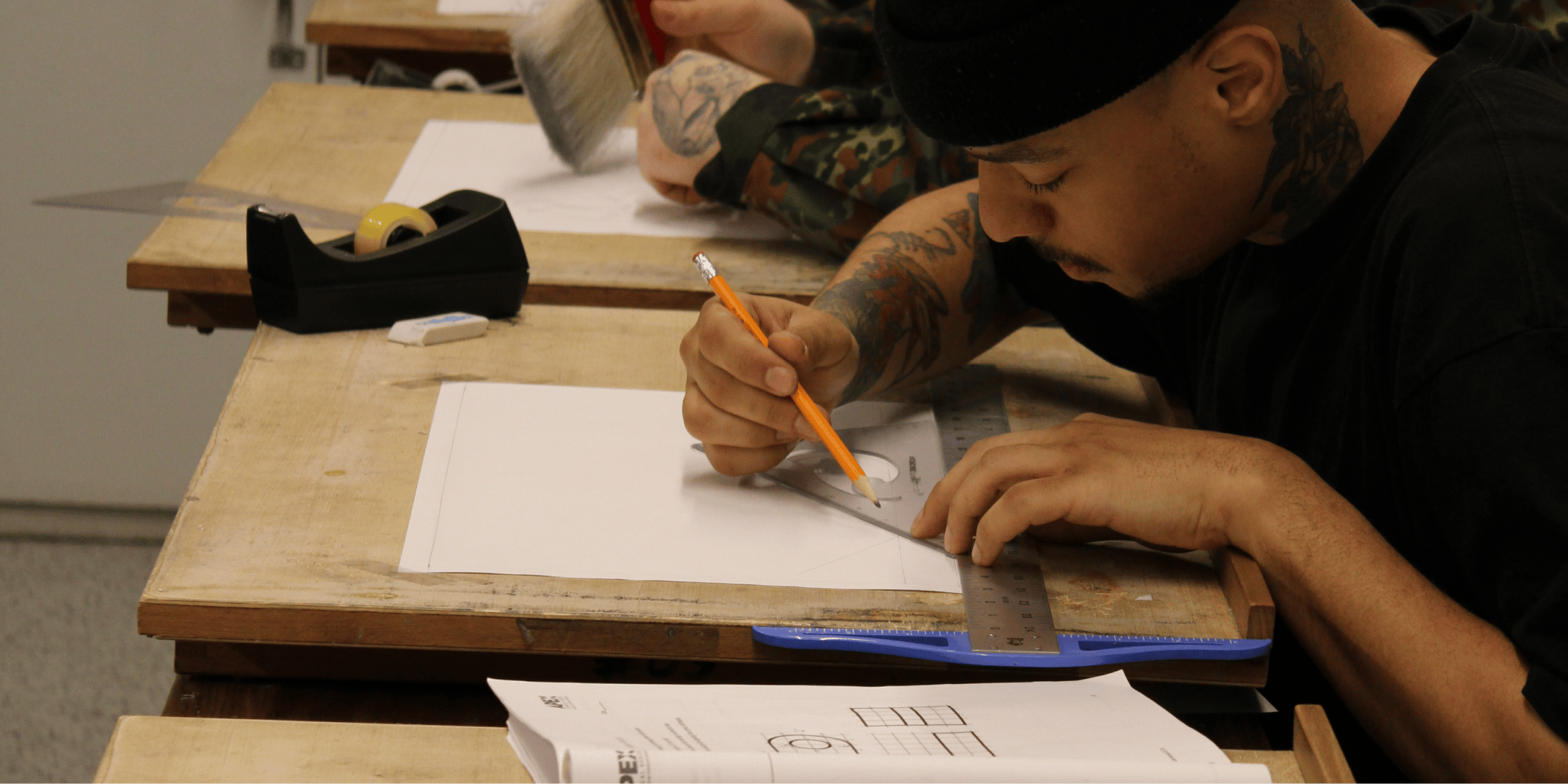
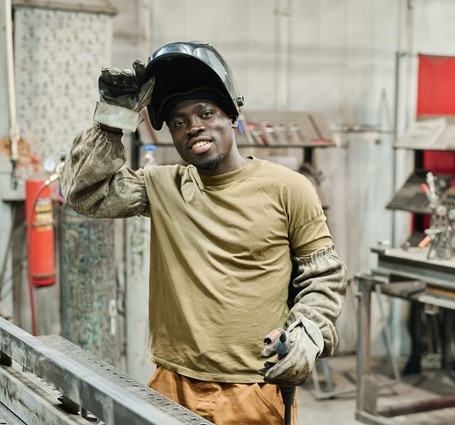
Ready to step into the plumbing classroom and use common plumbing tools in the shop at Apex? Learn more about our Plumbing & Pipefitting program now.
*Source: https://www.your1plumberfl.com/blog/essential-plumbing-tools/
Next classes
Classes start every month
Day and evening classes at our Long Island City and Midtown Manhattan campuses. Talk to admissions to save your seat.
On this page
Apex Technical School
Ready to start your career?
Day and evening classes start throughout the year at both campuses.
Apply nowOr call 212-645-3300






Frequently Asked Questions
Who invented the pipe wrench?


What is a spud wrench used for in plumbing?
Why did PVC pipes replace metal pipes?
What tools do plumbers use to clear clogged drains?
Can I learn to use plumbing tools at Apex Technical School?
Contact us
Fill out the form to get started.

