






We all want to be included, from kids on the playground to adults in the workspace. Inclusion generates a sense of belonging among people. Residential spaces that prioritize inclusion give all people ways to navigate their surroundings and feel welcomed. Accessibility in residential spaces ensures that people with disabilities have the opportunity to comfortably experience a space.
Over the years, the residential building industry has grown more inclusive and accessible for everyone, thanks to regulations, new design standards and other changes. Let’s take a deeper look at how accessibility is shaping—and improving—spaces like multi-family housing, apartments and townhouses.
What are current accessibility regulations?
Current accessibility regulations in the U.S. are guided by the ADA Standards for Accessible Design. These standards specify accessible entrances, maneuverable spaces, and features like ramps and grab bars. While contractors and builders must comply with ADA regulations, they should also be aware of local or regional regulations and residential building codes, as some communities may have more rigorous requirements.
A residential building codeis a regulation that governs construction in a city or county. Fines or penalties can result from building code violations, including ADA violations. Learn more about accessibility requirements for buildings at the U.S. Department of Housing and Urban Developmentwebsite.
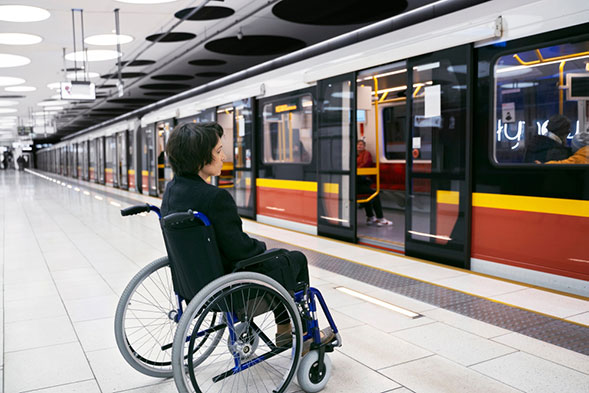
How has accessibility advanced in the residential building industry?
Homes have become more accessible, safer and healthier for residents thanks to advancements in technology, such as:
- Automated doors
- Voice-activated controls
- Remote monitoring systems
- HEPA-filtered air cleaners
- Elevators or chair lifts
Sustainable building practices also impact accessible design, as many green energy approaches prioritize energy savings, resource conservation and healthier living spaces for individuals with and without disabilities.
Related: A Guide to the Latest Eco-Friendly Home Construction Trends
What challenges are facing accessibility in residential construction?
While the merits of accessible spaces are vast, the building practice faces a few challenges—namely, cost-effectiveness. Certain accessible features may require special materials, custom plans or longer timelines to complete, creating a higher price tag for builders. If a building must be retrofitted to bring it up to current accessibility standards, builders may need to be more innovative to adhere to ADA compliance guidelines. However, strong communication and practical, careful planning can help builders and other stakeholders achieve accessible solutions.
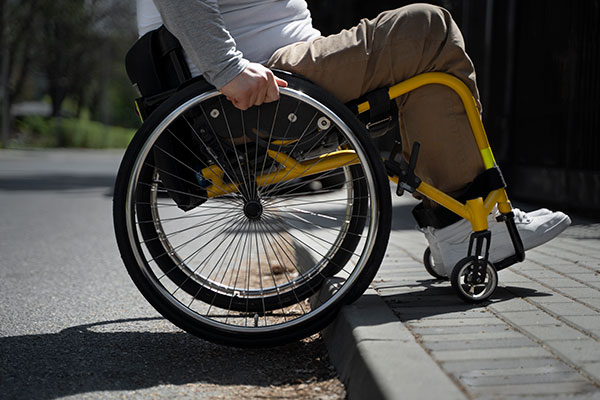
What is the future of accessible construction?
Globally, populations are living longer and many of those individuals have or will develop some type of disability throughout their lives. The architecture and construction industries have the opportunity to evolve and remove barriers for diverse groups of people to help them fully and comfortably experience residential spaces. Technology will also play a larger role in accessibility, as well as textures, colors, light and even elements like furniture.
If you’re interested in pursuing a future in the building industry, explore our Construction & Building Skills program . Classes are starting soon—contact us today to schedule a tour of our shops and classrooms and speak to an Admissions Rep about financial aid options.
Sources:
https://www.ada.gov/law-and-regs/design-standards/
https://www.hud.gov/program_offices/fair_housing_equal_opp/disabilities/accessibilityR
https://www.bankrate.com/real-estate/building-code/


