






Advancements in new technology drive the construction industry forward. When you hear “construction technology,” what comes to mind first? Some think about robots that perform human tasks or super computers that manage large amounts of worksite data. However, technology is more than innovative equipment that can accomplish tasks for you. It includes software and machinery—and more traditional devices such as power tools and hand tools.
How Is Technology Used in Construction?
From trade school students to senior management on a construction jobsite, technology can influence productivity, safety and collaboration. Learn more about how technology in the construction industry can help some workers be more efficient.
Productivity
Every construction site is different with unique opportunities and challenges. Technology can make it easier for jobsite managers or foremen to streamline processes. With streamlined processes, planning becomes easier. Plus, productivity can increase because workers have clear expectations. Managers can use certain software to manage projects, from scheduling to reporting and more. Mobile apps can help individuals in the construction trade access timecards and work records.
Related: 5 Signs a Construction Career Path is Right for You
Safety and Training
Some construction sites implement new technology to improve safety on the jobor to enhance onboarding and training. Worker training is important to keep everyone safe, whether workers are using their carpentry skills to build a residential home or operating equipment for a commercial construction project. Training can include learning how to use devices, such as wearable technology, to improve worker safety.
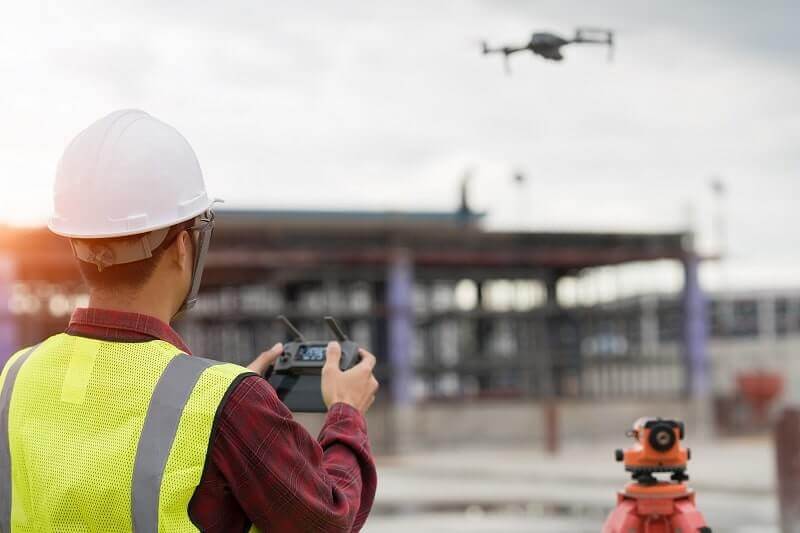
Wearable tech can be added to hard hats, vests and work boots to monitor workers’ health through sensors or their location with GPS. Wearables may also give workers access to a Wi-Fi hotspot, enabling them to sign online to review project details. Some construction projects are increasingly using drones to take aerial photos of a project in progress, conduct inspections or identify risks before a hazard occurs.
Collaboration
On a large or noisy construction site, flexibility is key. Workers may be required to complete solo tasks, then help other crew members finish a related assignment. This type of environment needs collaboration and clear communication to function smoothly. Smartphones and tablets make communication easier and faster. They also enable workers to answer calls, check in on the go and resolve issues quickly.
While devices with screens can make construction work more efficient, it’s important to remember that practical skills and basic tools still power the average worksite. That’s why trade schools like Apex provide valuable, hands-on learning with fundamental tools such as:
- Hammers and nail pullers
- Screwdrivers and drills
- Measuring tapes, rulers and levels
- Framing squares and speed squares
- Table saws, chop saws, circular saws and hand saws
- Chisels and tile cutters
Knowing how to use basic tools of the trade has a huge impact on jobsite productivity and collaboration. You can work smarter when your whole crew has the skills to use tools efficiently.

Learn More About Construction Trade School
Technology can impact a variety of construction processes. Some worksites may use a combination of new technology and traditional technology, such as power tools and hand tools. At Apex, our instructors teach how to use common tools of the trade. Visit our programs page to find out more about the Construction and Building Skills Program at Apex.
EXPLORE THE CONSTRUCTION PROGRAM


