






Apex Insider
A Brief History of HVAC Tools & Equipment
HVAC systems—that is, heating, ventilation, and air conditioning —have been used to make indoor spaces more comfortable for hundreds of years.
Key Highlights
HVAC systems—that is, heating, ventilation, and air conditioning —have been used to make indoor spaces more comfortable for hundreds of years. And in the case of indoor heating, people as far back as the Romans were enjoying warm homes and businesses thanks to their early heating technologies. As HVAC systems evolved, so did the tools and equipment needed to maintain them. Find out more about the tools HVAC technicians have used, and still use, to work on today’s air conditioners and furnaces.
Who invented air conditioning and indoor heating?
Air conditioning is a modern concept, developed by Willis Carrier in 1902. The American engineer needed to solve a humidity problem at a printing company in New York, so he invented a series of coils and fans that cooled the temperature and dehumidified the building. Frederick Jones, an African American, invented the first portable air conditioning unit.
Indoor heating is even older than the history of air conditioning. Humans have been heating indoor spaces for centuries, using various methods and systems. The heating systems we use today are attributed to the Romans, who were the first to circulate warm air under floors and behind walls of homes and buildings. Wood and coal powered these early systems, but eventually these sources were replaced by steam and forced-air systems.
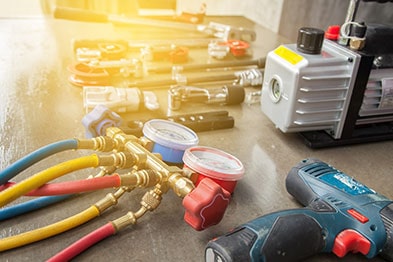
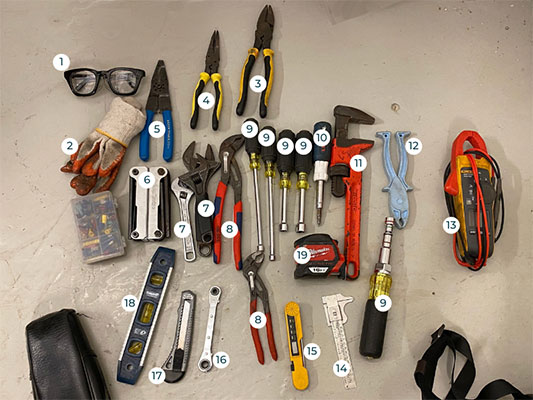
The tools used for installation and maintenance are just as important as the air conditioning and heating systems. Without the right tools, HVAC technicians couldn’t keep units in safe working order . But when HVAC was invented, the Romans and Willis Carrier couldn’t have imagined some of the tools technicians use today! Let’s dive into the history of common HVAC tools.
Multimeter
Like the air conditioning unit, the first multimeter can be traced to the early twentieth century, although its inventor is unknown. The first multimeters were used for general electrical measurements and were adapted by technicians to be used on HVAC systems.
As HVAC systems grew more complex, multimeters became specialized and included measurements for temperature, pressure, humidity and more. Today, digital multimeters are common in the HVAC industry; they are more accurate, easier to use and offer more measurement capabilities than the first multimeters of the early 1900s.
Tube Cutter
A patent for the tube cutter was filed in 1895 by John Kelsoe Fitzpatrick, although many unnamed individuals contributed to the evolution of the tube cutter throughout history. The first tube cutters were used in the plumbing and pipefitting industry, but as HVAC technologies emerged, tube cutters became an indispensable tool for technicians to efficiently cut tubes and pipes during installation and repair. Technicians today use tube cutters to slice through copper, aluminum and plastic pipes.
Refrigerant Weight Scale
The refrigerant weight scale is an important tool for HVAC technicians because it helps them measure the weight of refrigerant during the charging or recovery process. HVAC technicians know they are adding or removing the correct amount of refrigerant thanks to this valuable tool. Specific refrigerant levels ensure the system runs efficiently and safely, as it prevents over- and undercharging—problems that can cause damage or poor performance.
The inventor of the refrigerant weight scale is unknown, mostly because there have been many individuals throughout history who have improved upon this device, such as engineers, scientists and manufacturers. The development of scales and weighing systems in general can be traced back to ancient civilizations. Today, many manufacturers produce refrigerant scales with different features and capabilities to meet the specific needs of the industry.
Explore the HVAC Program at Apex
Ready to step into the HVAC classroom and use common air conditioning and refrigeration tools in the shop at Apex? Learn more about our Air Conditioning & Refrigeration program now and find out how long HVAC school is so you can start planning your future!
Next classes
Classes start every month
Day and evening classes at our Long Island City and Midtown Manhattan campuses. Talk to admissions to save your seat.
On this page
Apex Technical School
Ready to start your career?
Day and evening classes start throughout the year at both campuses.
Apply nowOr call 212-645-3300







Frequently Asked Questions
Who invented air conditioning?


Where did indoor heating systems come from?
How do HVAC technicians use multimeters?
What is a refrigerant weight scale used for in HVAC?
Where can I train to use HVAC tools in New York City?
Contact us
Fill out the form to get started.

