






Water is a precious resource that is under threat in many places throughout the world. Droughts, contamination, and poor water management practices contribute to wasted water and increased energy consumption. However, plumbing systems in homes and commercial buildings can play a major role in conserving water today and for years to come.
Though a faucet or toilet might seem insignificant in the fight to save water, these appliances are an easy way for ordinary people to get involved. Like ripples on a pond’s surface, small changes accumulate to make a big impact. Learn more about how the plumbing industry is evolving to address water conservation concerns, leading to substantial environmental preservation and cost savings.
What Is Shaping New Plumbing Standards?
Plumbing standards have changed drastically over the years. Most recently, states and municipalities have enacted specific regulations to encourage more efficient water usage in response to climate change and rising energy prices.
Government bodies and agencies, such as the Environmental Protection Agency (EPA)also have a role to play in shaping plumbing regulations. They help ensure strong guidance for the industry, its plumbers, and the manufacturers who produce appliances like toilets, dishwashers, faucets, and more.
As the world reacts to climate change and droughts in real time, plumbing regulations may need to undergo revisions as water conservation goals evolve. There will be a need for continuous updates to plumbing best practices, technology, and innovations to meet ever-changing water efficiency standards.

Sustainable Plumbing Fixtures and Approaches
There are several specific plumbing regulations and standards aimed at encouraging water conservation. Here are some examples:
- Low-Flow and Dual-Flush Toilets : Many plumbing codes now require low-flow toilets that use significantly less water per flush compared to traditional toilets. These regulations typically specify a maximum gallons per flush (GPF) allowed. Dual-flush toilets allow users to select a lower flush volume for liquid waste and a higher volume for solid waste.
- Water-Efficient Faucets and Showerheads: Plumbing regulations often mandate the installation of water-efficient faucets and showerheads that restrict water flow without compromising performance. These water-conserving plumbing fixtures are designed to reduce water wastage during everyday use, while flow rate limits specify maximum flow rates.
- Greywater Systems : In some areas, regulations support the use of greywater systems . This technology captures and treats wastewater from sinks, showers, and laundry machines for reuse in activities like irrigation, toilet flushing, or outdoor cleaning.
- Rainwater Harvesting: Certain regions have regulations promoting the use of rainwater harvesting systems. These systems collect rainwater from roofs and store it for non-potable uses, such as landscape irrigation.
- WaterSense Certification: The EPA has established the WaterSense program , which sets criteria for water-efficient plumbing fixtures. Products bearing the WaterSense label meet these criteria and are encouraged by regulations for their use.
- Leak Detection and Repair: Some plumbing codes require regular inspection and maintenance to detect and address leaks promptly.
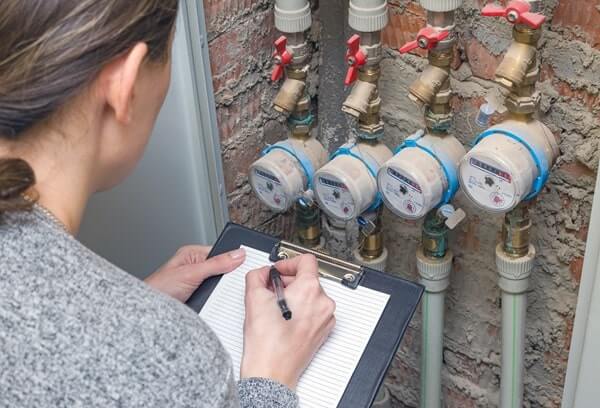
- Water Metering : Many municipalities have regulations in place that require water metering for residential and commercial properties. Metering helps track water usage and can encourage conservation by billing based on consumption.
- LEED Certification: This certification helps save millions of dollars’ worth of water and billions in energy costs. For a building to attain full LEED certification, it must meet three requirements: water-efficient landscaping, innovative wastewater technologies, and water use reduction by at least 40%.
- Education and Incentive Programs : In addition to traditional regulations, some areas have implemented educational programs and financial incentives to encourage water conservation. These initiatives may include rebates for purchasing water-efficient fixtures or educational campaigns to raise awareness about water conservation practices.
Plumbing & Water Efficiency Compliance
Plumbers have a responsibility to ensure compliance with local and governmental regulations. If homeowners have plumbing appliances that are old, compromised or even leaking slightly, plumbers can recommend efficient upgrades that can help reduce water consumption, lower utility bills, and impart environmental benefits. Plumbers can also ensure proper installation of water-efficient fixtures and educate homeowners about their new plumbing.
What Is the Future of Plumbing Regulations?
Plumbers, plumbing students, and homeowners should anticipate more strict water efficiency standards in the future. As appliances improve to meet regulatory requirements and communities take firmer stands against climate change-induced droughts in places like the American West, plumbers can help homeowners adapt to changes while leveraging their hands-on skills of the trade.
Interested in learning more about the plumbing trade? Explore the Plumbing & Pipefitting program at Apex. Admissions are rolling, which means you don’t have to wait and can apply any time throughout the year. Classes are starting soon!
Sources:
- https://www.safeplumbing.org/advocacy/saving-water/water-efficiency-studies
- https://www.iccsafe.org/advocacy/safety-toolkits/water-conservation-and-efficiency/
- https://www.contractormag.com/green/article/21158153/water-efficiency-and-leed-certification
- https://www.epa.gov/watersense
- https://greywateraction.org/greywater-codes-and-policy/


