






Homes are getting “smarter” as advances in technology make living easier and more convenient than ever before. Some smart home integrations make it possible to adjust the thermostat from a mobile app or ensure your favorite song plays when you get home from work. But did you know that smart home plumbing is on the rise?
Traditional plumbing appliances and fixtures are still a predominant choice in homes. However, as technology evolves and homeowners replace old or broken appliances, they can be faced with an increasing array of smart or automated plumbing options at the hardware store. These integrated plumbing systems can have a range of benefits—such as monitoring water usage and detecting leaks.
Let’s take a look at common smart plumbing appliances and devices.
What Is Smart Home Plumbing?
Smart plumbing systems use sensors, automation and remote monitoring to improve water usage, prevent leaks and protect property against water damage. These systems are typically connected to a network where a homeowner’s automated plumbing devices share data. The network lets you check and manage it remotely from a smartphone in real time.
Smart Home Integration Benefits
Why would a homeowner invest in smart plumbing, and what can plumbers help their customers understand about these systems? Automated plumbing appliances and fixtures can:
- Prevent flooding and damage to homes by alerting to leaks, clogs or unusual water flow
- Connect to Wi-Fi, Bluetooth, and smartphone apps
- Offer a way to check in through remote monitoring and controls
- Reduce wasted water by lowering consumption
- Lower electricity bills due to increased energy efficiency
Related: The Benefits of Going to Trade School for Plumbing
3 Types of Smart Plumbing:
In the realm of smart home technology, smart plumbing stands out by offering convenience, efficiency, and conservation . Together, these advancements represent the future of plumbing—where plumbing continues to play a critical role in daily living as it blends seamlessly into the home’s ecosystem.
Smart Toilets
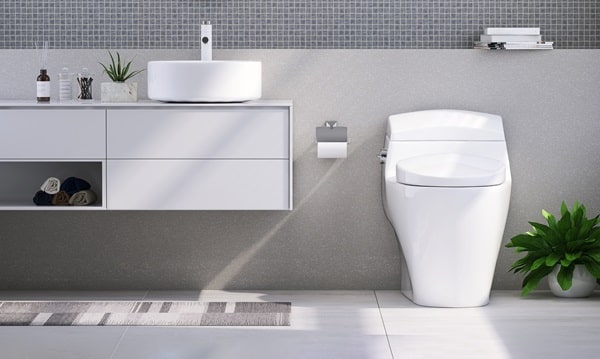
As one of the most-used appliances in the home, the toilet is the main source of water use. According to the Environmental Protection Agency (EPA), toilets are responsible for nearly 30%of a home’s indoor water consumption—with some older toilets using as much as six gallons per flush! Smart toilets are designed to save water by using less per flush.
Some smart toilets offer a partial flush feature to conserve water. They can also let you know if there is a clog or leak that needs to be addressed before it leads to large repair bills.
Smart Water Heaters
Families may opt for a smart water heater, which can be programmed to provide a continuous supply of hot water for long showers, laundry or radiant floor heating . Smart water heaters, controlled through Wi-Fi or Bluetooth, can help monitor water usage, predict patterns and send notifications to your smartphone.
By understanding when your home uses hot water, you can deprogram your smart water heater during the day when you’re at work and return it to its regular setting in the evening—saving you money on electricity bills.
Smart Faucets
Smart faucets are designed for convenience and many feature voice activation, enabling you to turn them on without touching them. Other smart faucets are tappable anywhere on the spout or handle, which is helpful for messy hands, children, or individuals with disabilities. Some smart faucets have an LED light that changes color to indicate the water’s temperature and reduce accidental burns.
With a smart faucet, water efficiency is key. EPA research indicates that “by installing WaterSense labeled bathroom sink faucets or faucet accessories, an average household can save more than 500 gallons each year.” Smart faucets achieve this by dispensing a designated amount of water before automatically shutting off, or they can be given a command to shut off by voice or app.
Related: Why Learn Plumbing Skills at Trade School
Preparing for a Future in the Plumbing Industry
Plumbers and students interested in pursuing the plumbing trade can prepare for the future by gaining hands-on experience. A foundational knowledge of the trade, its history and its tools is needed for entry-level employment, and these elements serve as building blocks for career development in this exciting and necessary field.
To learn more about the Plumbing & Pipefitting program at Apex, explore the courses we offer or contact us with your questions
Sources:
- https://www.epa.gov/watersense/residential-toilets
- https://19january2017snapshot.epa.gov/www3/watersense/pubs/ws_bathroom_faucets.html
- https://www.prideplumbingofrochester.com/blog/smart-plumbing
- https://www.mrrooter.com/southeast-georgia/about-us/blog/2023/september/the-future-of-plumbing-is-smart-technology-iot/


