






Apex Insider
Effective Communication Skills for Worksites
Communication is an essential skill, no matter your trade, role or responsibility. Good communication helps you and your team work smoothly together.
Key Highlights
Communication is an essential skill, no matter your trade, role or responsibility. Good communication helps you and your team work smoothly together. Poor communication at work, on the other hand, may result in wasted time and resources, injuries or stress. While it is essential to learn hands-on skills in trade school, it is equally important to learn effective communication skills. Here are four ways to decrease communication issues, strengthen your listening skills and improve how you communicate on a worksite.
Establish a Chain of Command
A clear chain of command at a worksite eliminates confusion. When you know who is in charge, or who specializes in certain tools and knowledge, you can find answers to questions and concerns quickly and efficiently. A chain of command relies on employees knowing the jobsite hierarchy, which may include:
- Site managers or supervisors
- Contractors
- Architects
- Construction workers and builders
- Engineers
- Electricians
- And many more
Speak in Clear, Simple Terms
Some worksites have loud machinery, noisy tools or simply many workers communicating at once. For these reasons and more, it’s important to try to speak clearly. For clearer speech, stand taller, slow down, project your voice and place emphasis on important words. A good rule of thumb in loud environments? Watch others’ body language to evaluate if they understand what you’re saying or if they need you to simplify or repeat your message.
Develop Listening Skills in Trade School
Being a good listener is just as important as speaking clearly. However, active listening requires more than just staying silent and letting others talk! Be sure to maintain eye contact so others know you acknowledge what they have to say. Verbally confirm you understand and ask questions if you are unsure if you heard their request or directive correctly.
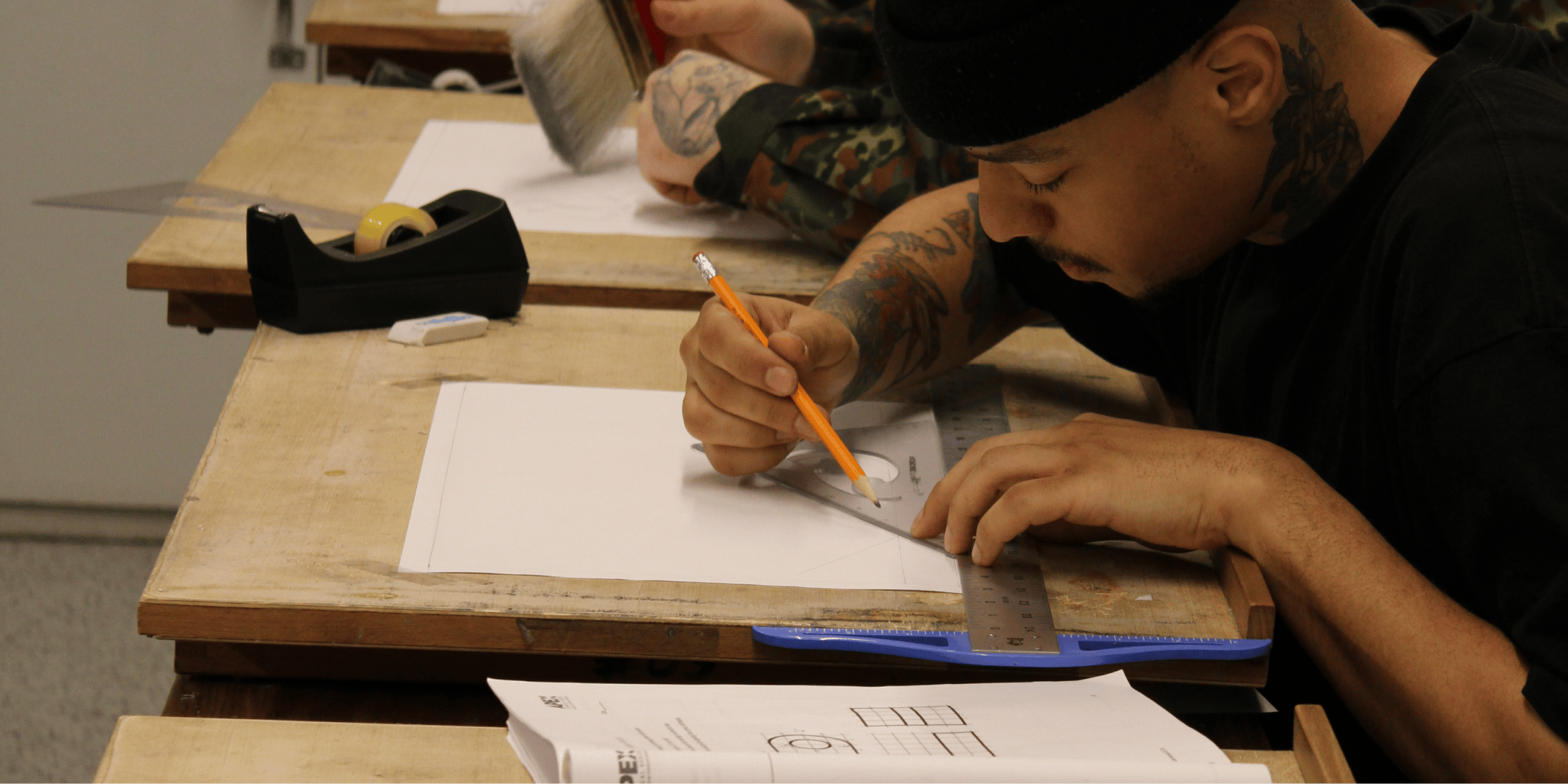
Trade school can help students become active listeners before they set foot on a worksite. Participating in the classroom and practicing teamwork in the shop are two ways trade school students exercise active listening skills and prepare to be successful communicators in future roles.
Learn to Communicate Verbally and Non-verbally
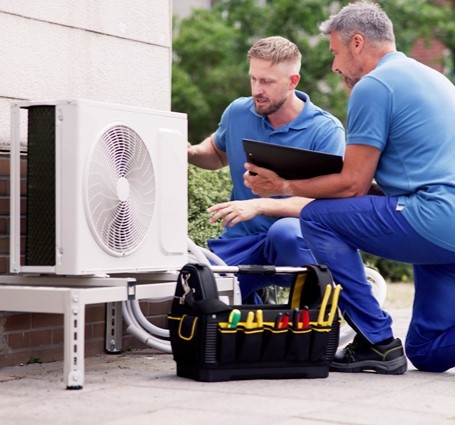
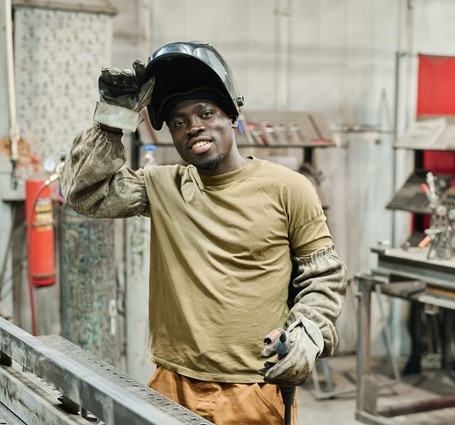
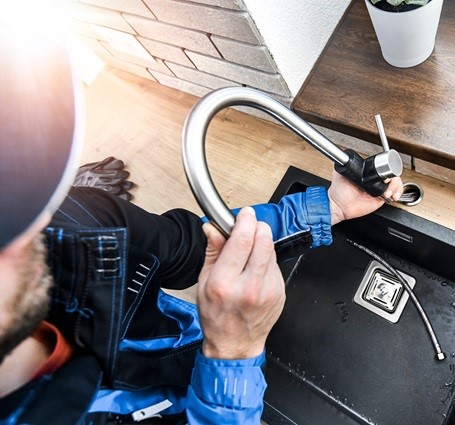
In addition to speaking, there are several other ways to communicate on a worksite. Emails, texting, facial expressions and hand signals are all common forms of communication in workspaces and at jobsites—whether you’re in the construction, automotive, electrical, plumbing, HVAC or welding trade. Maybe you like to use voice-to-text while you are walking or driving to your worksite, hand signals instead of shouting over noisy tools, and an alarm function on a walkie talkie if you encounter a problem. Find out how you and your team work best together by using strong verbal and non-verbal worksite communication.
Next classes
Classes start every month
Day and evening classes at our Long Island City and Midtown Manhattan campuses. Talk to admissions to save your seat.
On this page
Apex Technical School
Ready to start your career?
Day and evening classes start throughout the year at both campuses.
Apply nowOr call 212-645-3300






Frequently Asked Questions
Why are communication skills important on a trade worksite?


What is a chain of command on a jobsite?
How can I speak clearly on a loud worksite?
What does active listening look like at work?
What nonverbal communication is used on jobsites?
Contact us
Fill out the form to get started.

