




Apex Insider
A Guide to the Latest Eco-Friendly Home Construction Trends
Today’s homeowners have specific wants and needs. Green construction and building practices rose in popularity among homeowners and contractors over the last decade.
Key Highlights
Today’s homeowners have specific wants and needs. Green construction and building practices rose in popularity among homeowners and contractors over the last decade. According to the U.S. Green Building Council , eco-friendly homes are energy efficient, good for the environment and more sustainable than homes of the past. Staying up to date on the latest trends is a vital way to increase your unique value as an individual in the construction industry. Learn more about the latest eco-friendly home trends in the construction industry.
Green Building Materials
As more builders and individuals in the construction trade look for ways to reduce the environmental impact of residential homebuilding, they increasingly turn to recycled, reclaimed and sustainably sourced materials. Some homeowners appreciate green building projects that follow popular styles. Vintage, rustic and industrial design styles are widespread trends that can be achieved with reclaimed materials.
Sometimes it can be cost effective to find building materials at salvage yards and discount stores. Reclaimed wood, second-hand flooring, recycled metal and other responsibly sourced materials positively impact not only the environment but also the homeowner’s bottom line.
Energy Efficiency
Homeowners, contractors and designers increasingly look to add energy-efficient elements to their homes to save on rising energy costs and reduce harmful impacts to the environment. Some energy efficient approaches to residential home building include:
- Solar panels
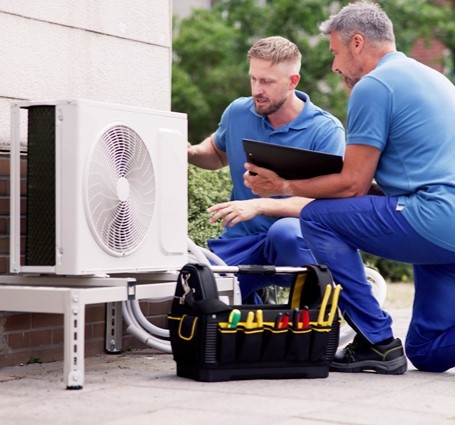
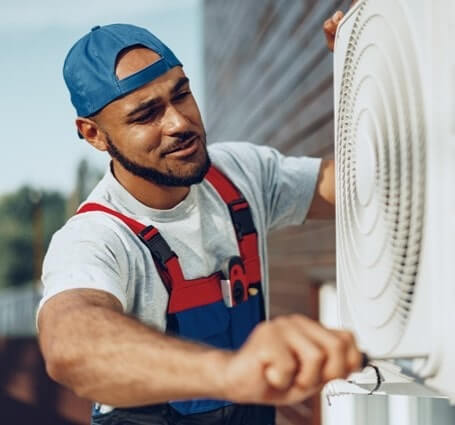
- Energy-efficient heating and cooling systems
- Low emissivity (Low-E) windows that block long wavelengths
- LED lighting instead of traditional incandescent bulbs
- Energy-Star certified appliances
According to Fixr.com , many energy efficient homes offer healthier and more comfortable living conditions, give off fewer greenhouse gas emissions, have lower energy bills and fewer issues with moisture management.
Water Conservation
Climate change continues to disrupt rainfall and water supplies worldwide. Many places, such as California, have struggled with extreme drought and disastrous wildfires since 2014. Plus, 2019 was the second-hottest year ever recorded—which means water supplies may continue to be in high demand.
Builders and individuals in the construction trade can consider ways to help homeowners reduce their water consumption at home, such as using smart meters for water control, installing low-pressure toilets, and opting for tankless water heaters that heat only the water you need.
Other eco-friendly options for water conservation at home include:
- Installing low-flow showerheads and toilets
- Designing stormwater management strategies
- Installing green roofs
- Planting native and adapted vegetation in place of lawns or ornamentals
Indoor Air Quality
Advances in ventilation technology can improve the air quality inside residential homes. Better air quality can mean fewer pollutants, allergens, dust and cases of asthma, as well as cost savings over time. According to Build-Review.com , airtight insulation and efficient HVAC systems can reduce electricity expenditures and ensure the health of homeowners.
As an individual who is interested in the construction and building trade, it’s a good idea to learn about the types of HVAC systems and their long-term benefits for homeowners who want cleaner air, no odors and fewer air leaks in their living spaces. To learn more about the construction trade, explore the construction and building skills program at Apex.
Next classes
Classes start every month
Day and evening classes at our Long Island City and Midtown Manhattan campuses. Talk to admissions to save your seat.
On this page
Apex Technical School
Ready to start your career?
Day and evening classes start throughout the year at both campuses.
Apply nowOr call 212-645-3300




Frequently Asked Questions
What are green building materials?


How can new homes be built to use less energy?
What are ways to conserve water in home construction?
How does construction affect indoor air quality?
Does Apex Technical School teach construction skills?
Contact us
Fill out the form to get started.

