




Apex Insider
4 Signs a Plumbing Career Pathway Is a Good Fit for You
Should I pursue my goals of becoming a skilled tradesman? Is the plumbing industry right for me?
Key Highlights
Should I pursue my goals of becoming a skilled tradesman? Is the plumbing industry right for me? How do I know if I should follow the plumbing career pathway?
It’s normal to ask these questions as you consider the next steps in your career. Perhaps you’ve repaired plumbing or pipefitting work in your home, but you don’t know if you should pursue plumbing training. As a first step, it’s helpful to evaluate what you like about the field and how to take advantage of your personal characteristics. Consider these indicators as you learn more about the plumbing trade.
I’m a problem-solver.
You’re a curious person with a knack for working with your hands. You like the challenge of solving puzzles, problems and collaborating with a group. Even if you’re unsure at first, you’re confident you can figure out most problems. You are both practical and creative when it comes to finding solutions.
Tradespeople in the plumbing industry need to think efficiently. Installations and repair jobs require plumbers to draw on their knowledge and skills of the trade. Because there are many types of fixtures, faucets and pipes, plumbers must know how to handle a variety of tools, read blueprints and find solutions for many systems and appliances.
I take pride in being reliable.
Your friends, family and coworkers, know they can depend on you to follow through, show up on time or finish a project. You value hard work in others and you expect it from yourself.
Workers in the plumbing trade need to demonstrate reliability to customers and business partners. Some individuals are responsible for several house calls per day, commercial plumbing projects and installs and repairs. A tradesperson who is consistent and trustworthy is an asset to the plumbing industry.
I like to learn and test new things.
You’re interested in the mechanics of how things work. You’re a hands-on person who prefers to troubleshoot an issue, take your time finding the right solution and complete a challenge the right way—and even if the right way takes longer, you never cut corners. You enjoy assembling pieces and parts to find out how things work together.
In the plumbing trade, workers often repair a variety of pipes and appliances—some new and some old. While homeowners may do their best to fix a plumbing problem, a skilled plumber can recognize an unsafe repair job, locate the correct tools and materials and quickly correct the issue. To stay knowledgeable in their trade, plumbers must keep current on techniques, tools and housing and building codes.
I don’t mind small spaces.
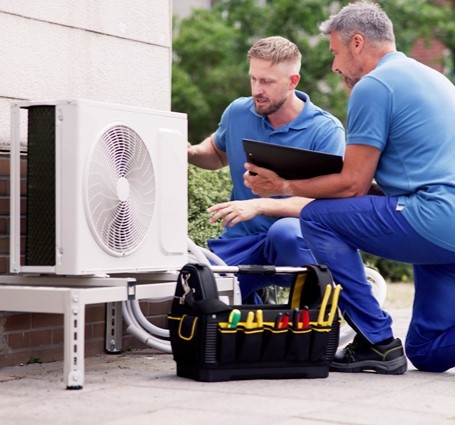
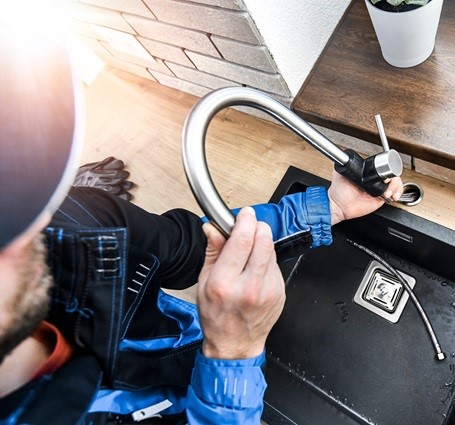
Individuals in the plumbing industry often find themselves in confined spaces such as crouching under a sink, working in tight corners, and maneuvering around appliances. These areas may be uncomfortable at times and require individuals in the plumbing trade to maintain good health. In addition, manual dexterity and physical fitness help plumbers minimize their risk of injury.There are many exciting trade industries and countless reasons to consider a technical school to continue your education. If you’re interested in learning about our trade school classes, explore our plumbing and pipefitting program or contact Apex today.
Next classes
Classes start every month
Day and evening classes at our Long Island City and Midtown Manhattan campuses. Talk to admissions to save your seat.
On this page
Apex Technical School
Ready to start your career?
Day and evening classes start throughout the year at both campuses.
Apply nowOr call 212-645-3300




Frequently Asked Questions
How do I know if plumbing is a good career fit for me?


Why is problem-solving important for plumbers?
Do plumbers have to work in small or tight spaces?
Do plumbers need to keep learning after training?
Where can I start plumbing training in Queens?
Contact us
Fill out the form to get started.

